
Gulfport, Mississippi: coastal city — overview, history, economy, and facts
Gulfport is Mississippi's second-largest city on the Gulf Coast. This article summarizes its geography, history, economy, major events, cultural notes and recovery after major hurricanes.
Gulfport is a principal coastal city in the U.S. Gulf South and the second-largest municipality in Mississippi. Located on the northeastern shore of the Gulf of Mexico, it forms the larger half of the Gulfport–Biloxi metropolitan area and serves as a commercial and transportation hub for the region. The city functions as a shared county seat with Biloxi in Harrison County, and it is widely recognized for its port facilities and military presence.
Image gallery
10 Images


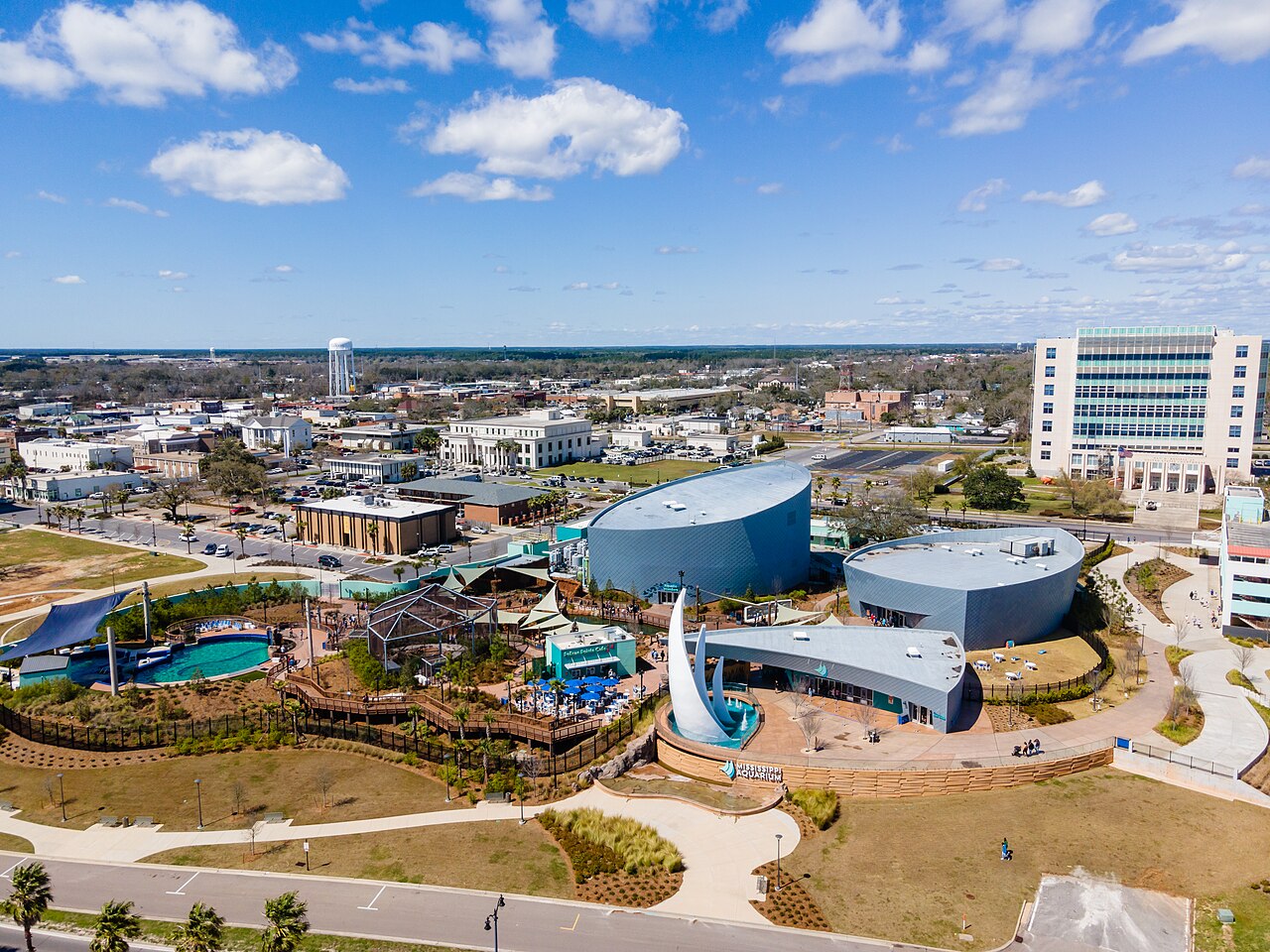

Overview and identity
Gulfport's identity is shaped by its waterfront location, mixed economy, and role in regional governance. As the larger city in the immediate metro area, it contributes significantly to the combined Gulfport–Biloxi–Pascagoula statistical region (metropolitan area data). Locally and nationally the city is known for hosting elements of the United States naval construction forces, the US Navy Seabees, and for being the birthplace of noted American football player Brett Favre. Historical population snapshots and demographic summaries are available through official counts such as the 2000 census and subsequent census releases (population data).
Geography and characteristics
Situated on the Gulf Coast, Gulfport combines urban neighborhoods, industrial areas, and recreational waterfronts. The city contains a deep-water port that supports shipping, freight handling, and some industrial activity. The coastline and nearby barrier islands influence local climate, commerce, and tourism. Gulfport's municipal infrastructure includes regional road connections, a commercial airport, and port terminals that integrate the city into broader trade networks.
History, disasters, and resilience
Gulfport developed as a coastal community in the late 19th and early 20th centuries, growing around maritime trade and seafood industries. Over the decades it has experienced powerful hurricanes that reshaped its built environment and planning priorities. Notably, the city suffered extensive damage during two major storms: Hurricane Camille in 1969 and the catastrophic Hurricane Katrina in 2005. Each event caused widespread flooding and loss of property; recovery and rebuilding efforts in the years after these storms have influenced zoning, coastal defenses, and emergency preparedness strategies.
Economy, infrastructure and uses
Gulfport's economy is a mix of maritime commerce, tourism, healthcare, retail, and government/military employment. Key elements include:
- Port and shipping operations that handle cargo and support logistics for the Gulf Coast.
- Military installations and related contractors, most famously associated with the Seabees.
- Tourism and service industries tied to beaches, boating, and regional events.
- Local businesses and industrial facilities providing jobs and tax base for the county.
Public investments in transportation and resilient infrastructure aim to balance economic growth with hazard mitigation. The city participates in regional planning with neighboring communities and county authorities to coordinate development across the Gulfport and surrounding areas.
Culture, notable facts and distinctions
Gulfport shares much of the coastal culture typical of the northern Gulf: a culinary tradition based on seafood, recreational boating, and community festivals. It stands out as a municipal partner with Biloxi in county governance and as an eastern Gulf Coast anchor for both commerce and military logistics. For researchers and visitors, municipal and statistical resources provide further details about civic life and economic indicators (state resources and regional references). Additional local histories and archival material can be consulted through city archives and regional libraries (county records, Biloxi-area documentation, and other repositories).
Further reading and resources
Readers seeking up-to-date demographic figures, planning documents, or recovery projects should consult official municipal reports and regional planning organizations. For historical hurricane impacts and resilience planning, archives and federal emergency management analyses are informative starting points. Online and printed resources are complemented by local museums and civic organizations that document Gulfport's evolving role on the Gulf Coast.
Population and census information | Metro area statistics | Census archives | Harrison County resources
US Navy Seabees | Notable residents | Katrina accounts | Camille accounts
Related articles
Author
AlegsaOnline.com Gulfport, Mississippi: coastal city — overview, history, economy, and facts Leandro Alegsa
URL: https://en.alegsaonline.com/art/41388