
Jackson, Mississippi
Capital and largest city of Mississippi, Jackson is a regional center for government, education, medicine, and culture, known for its history, museums, musical heritage, and riverside location.
Jackson is the capital and largest city of the U.S. state of Mississippi and serves as the state's political, cultural, and economic hub. Located on the Pearl River near the state's geographic center, the city functions as a regional crossroads between larger Gulf Coast and Mid-South metropolitan areas. Jackson's role as state capital makes it the center of Mississippi's executive and legislative activity.
Image gallery
10 Images

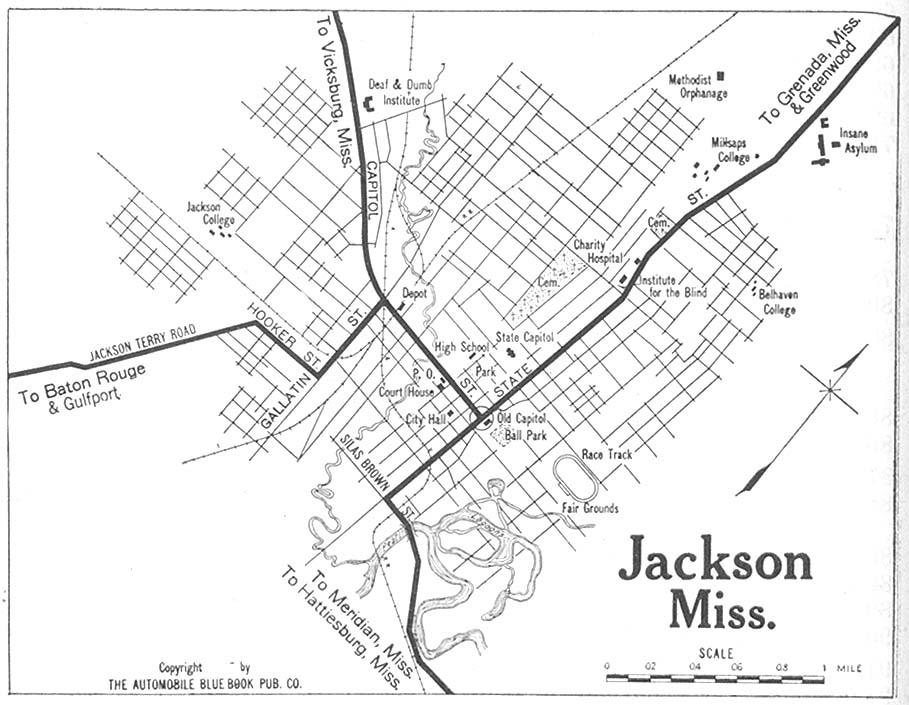


History and development
The city was established in the early 1820s and named for Andrew Jackson. It was selected as the state capital soon after its founding and grew around government institutions, transportation links, and river trade. Over the centuries Jackson has been shaped by antebellum growth, 19th-century conflicts, 20th-century urban expansion, and the civil rights movement. Historic districts and civic buildings reflect layers of that development.
Government, economy, and institutions
As the seat of state government, public administration is a major employer. Jackson also has a diversified economy with strengths in healthcare, higher education, manufacturing, and service industries. Prominent institutions include:
- Jackson State University and other colleges offering a range of academic programs
- University of Mississippi Medical Center, a regional medical and research center
- State government departments and judicial offices
- Jackson–Evers International Airport, providing air connections for the region
Culture, museums, and music
Jackson is known for its cultural institutions, museums, and musical traditions. The city houses art and history museums that document Mississippi's artistic and social history, including museums focused on the civil rights movement. Jackson's musical scene reflects the state's deep roots in blues, gospel, and soul, and the city hosts festivals, performing arts venues, and local music clubs that sustain that heritage.
Neighborhoods, geography, and climate
The city contains a mix of commercial corridors, residential neighborhoods, and historic districts. Well-known areas include older neighborhoods with period homes, arts-oriented districts, and a downtown core of government buildings and businesses. Situated on the Pearl River, Jackson experiences a humid subtropical climate with hot summers and mild winters, and its riverside setting has influenced development, transportation, and flood-management planning.
Contemporary issues and attractions
Jackson faces challenges common to many mid-sized American cities, including infrastructure needs, economic inequality, and efforts to stabilize and grow the urban population. At the same time, there are active revitalization projects, cultural investments, and civic initiatives aimed at downtown redevelopment and community resilience. Visitors and residents often explore civic landmarks, historic sites, and cultural venues that illustrate the city's complex past and ongoing significance to the state.
For more official information about the city, see Jackson.
Related articles
Author
AlegsaOnline.com Jackson, Mississippi Leandro Alegsa
URL: https://en.alegsaonline.com/art/48976
Sources
- www2.census.gov : "2017 U.S. Gazetteer Files" · web.archive.org
- factfinder2.census.gov : "American FactFinder" · web.archive.org
- census.gov : "Population and Housing Unit Estimates" · web.archive.org
- geonames.usgs.gov : "US Board on Geographic Names" · webcitation.org
- commons.wikimedia.org : Jackson, Mississippi