
Grumman F4F Wildcat — U.S. Navy carrier fighter of World War II
Carrier-based fighter produced by Grumman and introduced in 1940. The Wildcat served early in WWII, notably in the Pacific against the A6M Zero, and continued in secondary roles until 1945.
Overview
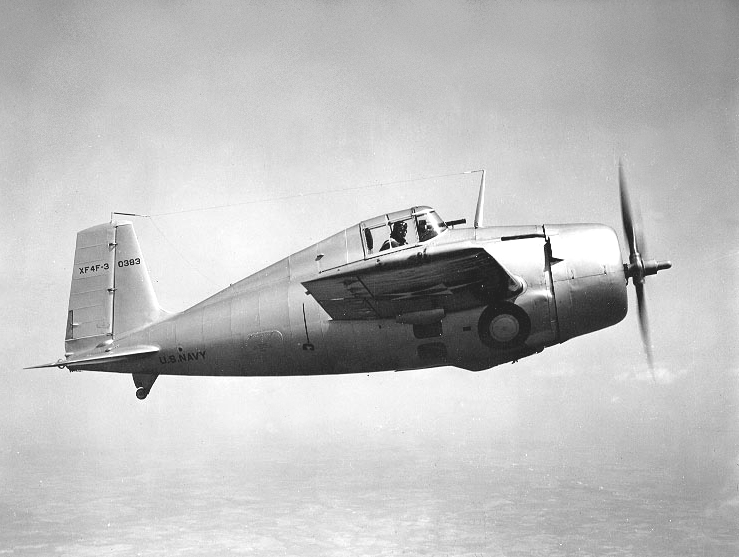
The Grumman F4F Wildcat was a single-seat, carrier-capable fighter built for the United States Navy and Marine Corps in the years surrounding World War II. Designed and manufactured by Grumman, the type emerged before the conflict and became the Navy's primary shipboard fighter during the early difficult campaigns in the Pacific. It combined rugged construction with pilot protection and proved effective in a number of defensive and offensive roles.
Image gallery
10 Images



Design and characteristics
The Wildcat was a cantilever monoplane with a robust airframe and fixed internal features suited to carrier operations. Key characteristics included a radial engine mounted in the nose, a strong undercarriage for arrested carrier landings, and protective features such as armor plating and self-sealing fuel tanks that increased survivability compared with some contemporaries. Later production versions adopted folding wings to save deck and hangar space on carriers.
- Powerplant: air-cooled radial engine driving a propeller.
- Protection: armored cockpit and self-sealing tanks improved combat survivability.
- Adaptations: carrier arresting gear, folding wings on later variants.
Development and service entry
The prototype flew in the late 1930s, with the type's first flight in 1937, and it entered service in 1940. Production included a number of variants refined for different missions and customers; the British Royal Navy operated versions under the name Martlet. As carriers became central to naval strategy, the Wildcat's ability to operate from small decks and escort convoys made it valuable early in the war.
Operational history
In combat the Wildcat was widely used in the Pacific Theater against Japanese fighters, most famously the Mitsubishi A6M Zero. Pilots developed tactics to offset the performance advantages of opposing aircraft — for example, cooperative maneuvers that relied on teamwork and the Wildcat's ruggedness. The aircraft typically flew from fleet and escort aircraft carriers and shore bases, defending convoys and supporting amphibious operations.
Variants, replacement and legacy
Several subtypes were built, differing in armament, range, and wing design. As more powerful and faster fighters were introduced, notably the F6F Hellcat, the Wildcat was gradually superseded in the main fleet. It nonetheless remained in service where its smaller size and toughness were advantages, and it was finally largely withdrawn from frontline units and retired in 1945. The Wildcat is remembered for helping to hold vital lines early in the war and for influencing carrier fighter design and tactics in the years that followed.
Notable aspects include its role in developing team-based aerial tactics, its service with allied navies, and its reputation for absorbing battle damage and bringing pilots home—qualities that gave it an important place in naval aviation history.
Related articles
Author
AlegsaOnline.com Grumman F4F Wildcat — U.S. Navy carrier fighter of World War II Leandro Alegsa
URL: https://en.alegsaonline.com/art/41089
Sources
- militaryhistory.about.com : "World War II: Grumman F4F Wildcat."