
Grimms' Fairy Tales (Kinder- und Hausmärchen): collection and cultural impact
A concise encyclopedia article on the Brothers Grimm collection Kinder- und Hausmärchen (Grimms' Fairy Tales): origins, structure, themes, editorial changes, reception, and lasting influence.
Overview
Children's and Household Tales, known in German as Kinder- und Hausmärchen and commonly referred to in English as Grimms' Fairy Tales, is a landmark collection of folktales assembled and published in the early 19th century by the German scholars Jacob Grimm and his brother Wilhelm Grimm. The brothers gathered oral narratives, regional stories, and older written materials to create a multi-volume anthology that sought both to preserve vernacular storytelling and to reflect cultural identity in a period of growing interest in national traditions. The collection contains many stories that have entered global popular culture, including "Snow White", "Hansel and Gretel" and "Rapunzel".
Image gallery
6 Images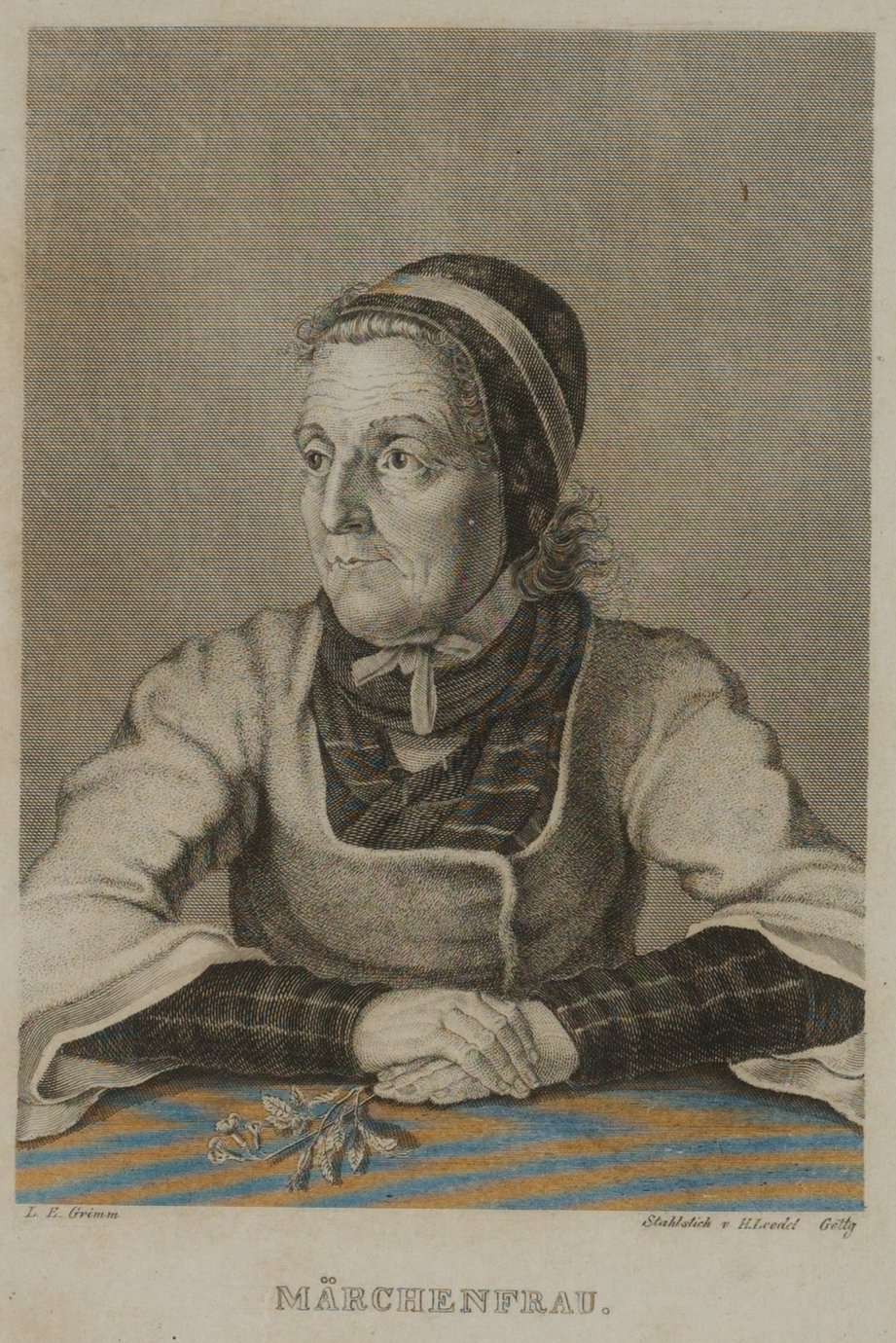


Composition, editions, and editorial practice
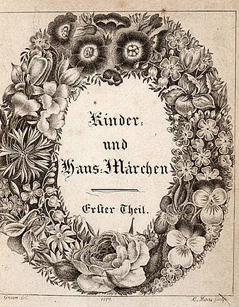
The first volume appeared in 1812 and the project expanded across several editions during the Grimms' lifetimes. Early printings were issued in multiple volumes and the number, order, and wording of tales shifted as the brothers revised text, added new stories, and removed others. The process reflected both scholarly aims — collecting variants, annotating sources and motifs — and changing tastes about what was suitable for children. The Grimms also produced a shortened "small edition" explicitly intended for younger readers. Illustrations accompanied many editions, and different editions bear the marks of various illustrators and typographical choices.
Content and recurring themes
The tales in the collection span a broad range: simple animal fables, wonder tales featuring transformations and magical helpers, and cautionary narratives that enforce social codes. Motifs that recur include reward and punishment, tests of virtue, cleverness triumphing over brute force, and encounters with supernatural beings. Many stories were originally more explicit or raw in tone; later editorial changes often softened sexual references and altered familial roles (for example, changing a biological mother to a stepmother in some tales) while at times intensifying punitive or moralistic passages.
Structure and notable tales
- Arrangement: Tales were numbered and grouped across editions, and some were accompanied by scholarly notes on variants and provenance.
- Famous entries: Alongside the widely known "Cinderella," "Snow White," and "Rapunzel," the collection includes less famous regional stories and variants that illuminate local customs and dialects.
- Forms: The anthology preserves different narrative types, from brief oral ditties to longer plotted tales with multiple episodes.
Reception and criticism
Upon release, the collection provoked mixed responses. Some contemporaries praised the Grimms' efforts to preserve folk heritage; others criticized the books as inappropriate for children because of scholarly footnotes, grim content, or raw subject matter. The brothers were responsive to some of this feedback and made editorial adjustments in subsequent editions. Modern scholars evaluate the Grimms' work from several angles: as collectors and editors, as participants in Romantic-era nationalist movements that emphasized a people's culture, and as early contributors to the study of folklore and comparative fairy-tale research.
Influence and legacy
The Grimm collection had a profound impact on later collectors and on the public imagination. It stimulated similar projects in other countries, encouraging collectors who sought to document native tales and dialects. The idea that a nation's folktales express shared character and history influenced scholars and cultural institutions in Europe and beyond. In popular culture, the Grimms' tales have been retold, adapted for theater, film, and television, and reinterpreted in children's literature, scholarship, and education. While adaptations often sanitize or alter stories for different audiences, the original corpus remains a key source for comparative folklore studies and for understanding the transmission of oral narratives.
Notable scholarly aspects and distinctions
The brothers balanced two roles: editors aiming for readable texts and scholars cataloguing variants. Their methodological choices — how to record dialect, whether to smooth narrative speech, and how to attribute origins — shaped later folklore practice. The collection demonstrates both the richness of oral tradition and the editorial influence that collectors inevitably bring. Later collectors such as those working in Russia, Scandinavia, and Britain were inspired by the Grimm example and pursued their own national collections, contributing to a broader international awareness of folktale motifs and structural parallels.
For further reading and source materials, consult editions and annotated studies that compare variants and trace the publication history; bibliographies and academic introductions clarify the changes made across the several editions and the cultural context of the Grimms' work.
More on the nature of the collection | Original German title and editions | Jacob Grimm | Wilhelm Grimm | Snow White | Hansel and Gretel | Rapunzel
Related articles
Author
AlegsaOnline.com Grimms' Fairy Tales (Kinder- und Hausmärchen): collection and cultural impact Leandro Alegsa
URL: https://en.alegsaonline.com/art/40944