
Hansel and Gretel
Overview of the Brothers Grimm fairy tale 'Hansel and Gretel': origins, plot, motifs, editorial history, themes, variants, and notable adaptations including Humperdinck's opera.
Overview
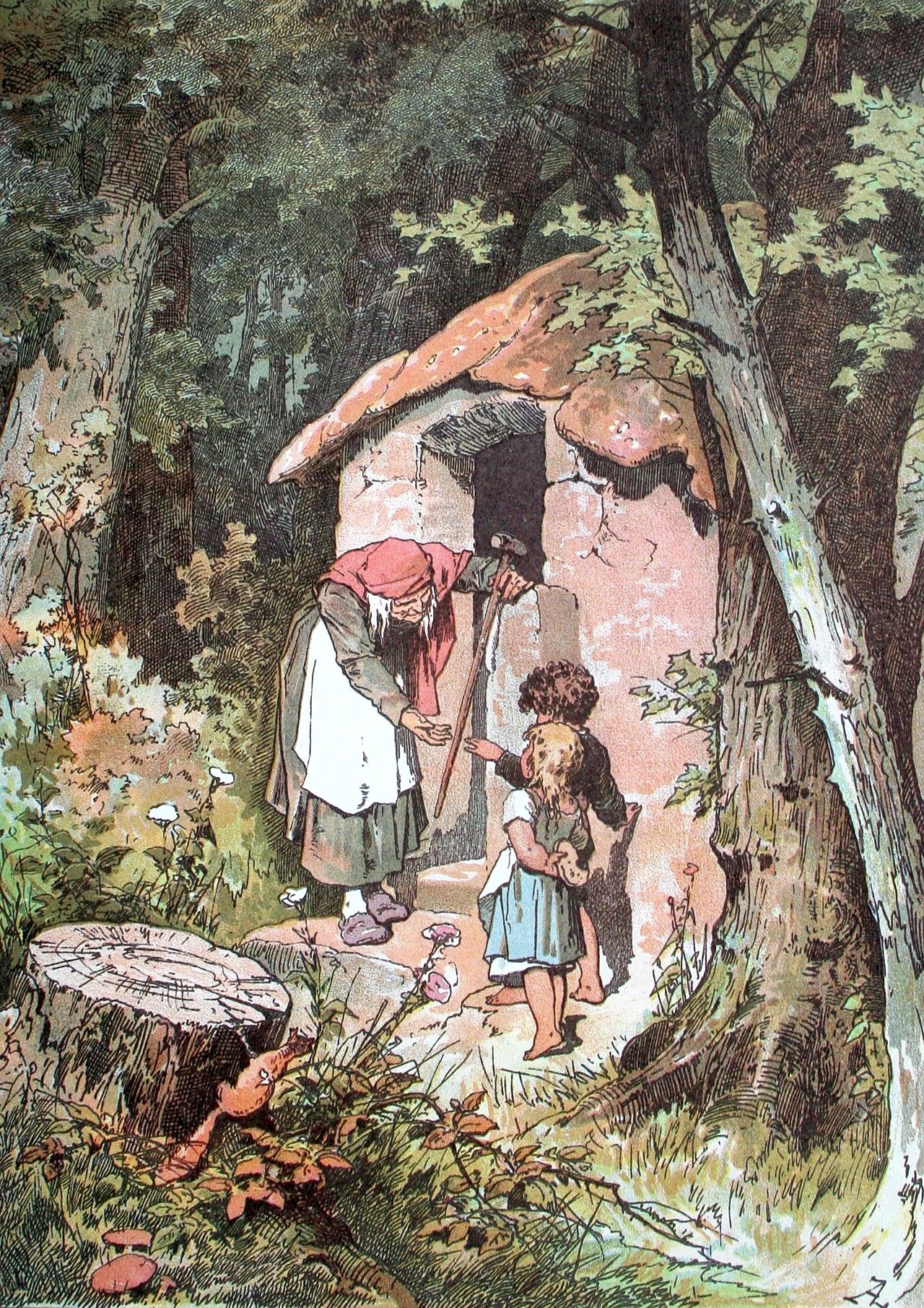
Hansel and Gretel is one of the best known fairy tales collected in central Europe. It recounts how two siblings are left in a forest, discover a house decorated with food, and confront a witch who intends to harm them. The tale combines striking folkloric motifs — a failed breadcrumb trail, an edible cottage, a child-eating antagonist, and rescue through cunning — which have helped the story remain prominent in oral and literary traditions.
Image gallery
7 Images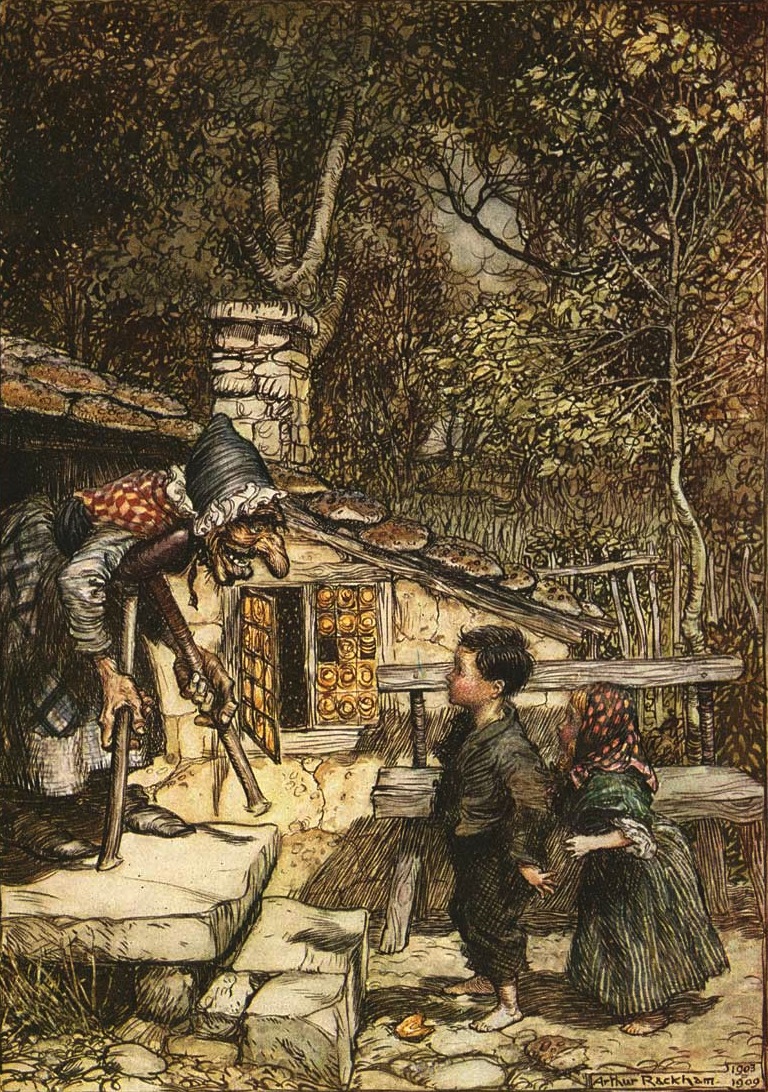




Origins and publication
The familiar literary form was gathered and edited by the Brothers Grimm. They recorded the story from Dortchen Wild in Kassel and included it in their collection Children's and Household Tales first published in 1812. Over successive editions the Grimms revised details: they named the children, transformed the mother into a stepmother in many versions, and introduced moral and Christian touches. The text reached its commonly cited final form in the mid-19th century. Although widely associated with rural Germany, the tale's motifs occur across European oral traditions.
Plot, characters and motifs
The central figures are two young siblings whose family faces famine and hardship. After being abandoned in the woods, they encounter a cottage made of bread, cake and sugar. Its occupant — usually depicted as a witch — lures children with food, seeks to confine and consume them, and is ultimately tricked and destroyed by the resourceful children. Prominent motifs include the trail of crumbs that is eaten or lost, the oven as an instrument of peril and escape, and the theme of sibling cooperation in overcoming danger.
Themes and interpretations
Readers and scholars interpret the tale on several levels. Historically it evokes anxieties about hunger, poverty and child abandonment. Psychologically it is often read as a coming-of-age or rite-of-passage story about growing autonomy. Morally and culturally, editorial choices by the Grimms — for example making the antagonist a stepmother and adding Christian elements — shaped later readings that emphasize punishment of evil and reward for virtue. Folklorists also highlight the tale's combination of temptation and salvation: the candy house is simultaneously perilous and instrumental to the children's escape.
Variants, transmission and scholarship
Variants of the story appear throughout Europe with differing details: the method of abandoning children, the nature of the house, and the antagonist's identity vary. Folklorists study these variants to trace patterns of oral transmission and the ways collectors adapted tales for print. Critical studies examine the Grimms' editorial interventions and the tale's role in shaping perceptions of childhood, domestic danger, and family relations.
Adaptations and cultural impact
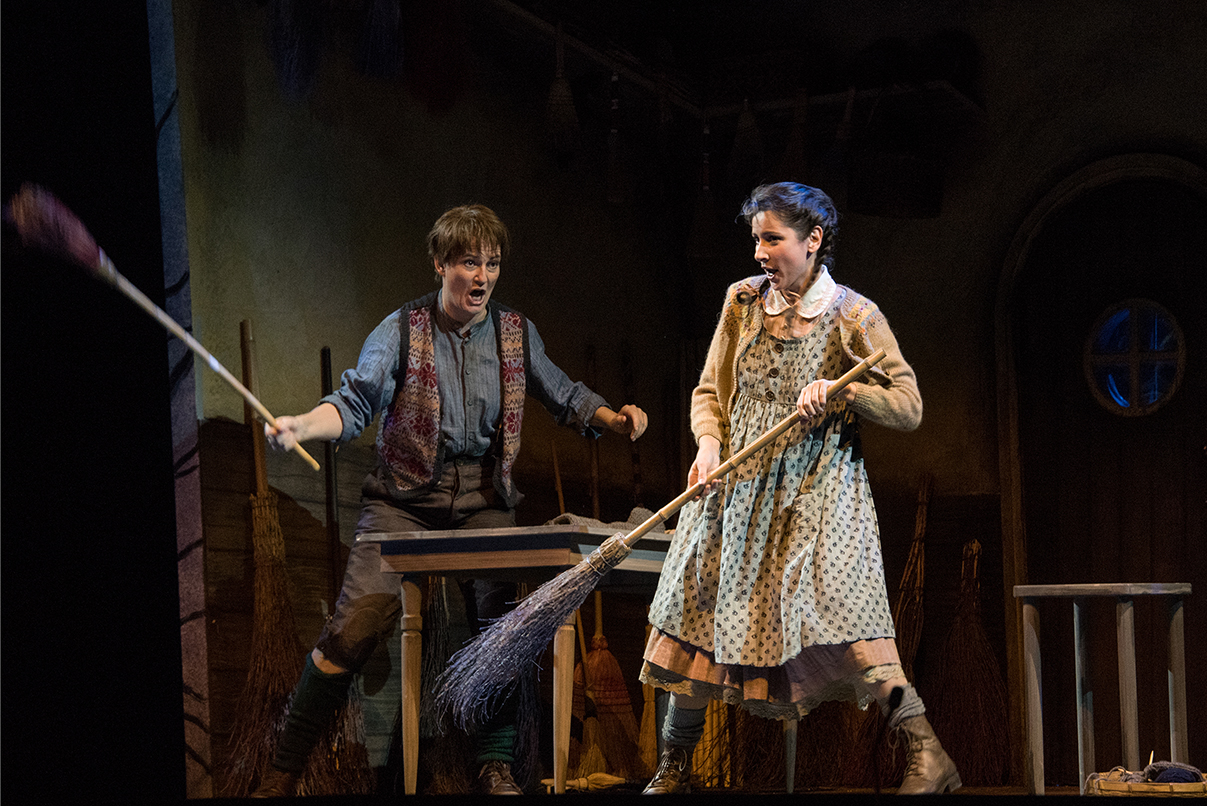
The tale has inspired stage productions, films, literature, visual art and music. Notably, Engelbert Humperdinck composed the opera Hänsel und Gretel in the 1890s, a widely performed adaptation that expands the story with new musical and dramatic material. A mid-20th-century stop-motion film drew on the opera's score, and many modern retellings range from faithful children's editions to subversive reinterpretations. For discussions of media versions and broader cultural reception see surveys of literary adaptations and collections of folk narratives.
Further notes
- The tale illustrates how collectors and editors can reshape oral tradition; consult editions of Children's and Household Tales for editorial history.
- Comparative study of related stories across Europe helps situate common motifs and local differences in transmission and performance.
- For readers interested in language and original titles, the German name appears in many editions as Hänsel und Gretel, and introductory materials often note the tale's place within Germanic folklore and broader European contexts.
Related articles
Author
AlegsaOnline.com Hansel and Gretel Leandro Alegsa
URL: https://en.alegsaonline.com/art/42302