
Gruppa krovi (Kino album)
Gruppa krovi is the sixth studio album by Soviet rock band Kino, released in 1988. Its title track, an anti‑war anthem often rendered in English as "Blood Type", helped bring the band international attention.
Overview
Gruppa krovi (Russian: Группа крови; English: blood type) is the sixth studio album by the Soviet rock group Kino. First issued in the Soviet Union in 1988, the record is best known for its title song, an often-cited anti‑war anthem that was also recorded in an English-language version called "Blood Type." The album marked a high point for the band and for late Soviet-era rock music generally.
Image gallery
2 Images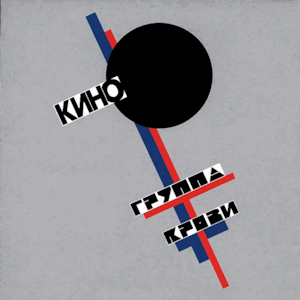

Musical style and themes
The sound combines elements of post-punk and new wave: driving guitar lines, concise arrangements, and a focus on melody and atmosphere rather than virtuosity. Lyrically the album explores themes common to the period — isolation, responsibility, the moral cost of conflict, and the viewpoint of youth facing uncertain futures. The title track's spare but insistent refrain became emblematic of a generation's unease.
Release and distribution
Originally distributed within the Soviet recording system, the album received broader exposure when it was issued outside the USSR; a notable release in the United States followed in 1989 through Capitol Records. That international edition, and the English-language recording of the title song, helped introduce Kino to listeners beyond the Soviet sphere and contributed to the album's mythic status in rock histories of the era.
Reception and legacy
While sales figures and chart data from the period are uneven, the album's reputation has grown steadily: it is frequently listed among the most influential Soviet rock records of the late 20th century. The title track is widely covered and referenced in Russian popular culture and continues to be a touchstone for artists and fans reflecting on the period's social and political tensions.
Notable facts and distinctions
- The album is often credited with elevating Kino from an underground act to a band with a broad cultural footprint.
- Its combination of accessible melodies and pointed lyrics helped bridge underground rock and mainstream audiences in the late 1980s.
- Various translations and reinterpretations of the title song helped the record reach non-Russian-speaking listeners.
As an artifact of its time, Gruppa krovi stands both as a musical statement and as a cultural document: representative of the transformation of youth culture in the final years of the Soviet Union and influential in the development of rock music across the post‑Soviet space.
Related articles
Author
AlegsaOnline.com Gruppa krovi (Kino album) Leandro Alegsa
URL: https://en.alegsaonline.com/art/41109
Sources
- allmusic.com : Allmusic review
- robertchristgau.com : Robert Christgau review
- news.google.com : Soviet rock 'n' roll hits America
- discogs.com : Release images
- nme.com : Gruppa krovi (English version)-Blood Type Vladivostok FM video · web.archive.org