
Greco-Bactrian Kingdom
Hellenistic state (c. 250–125 BC) centered in Bactria (modern Afghanistan) that blended Greek and Central Asian cultures, issued distinctive coinage, and influenced Indo-Greek and Buddhist art.
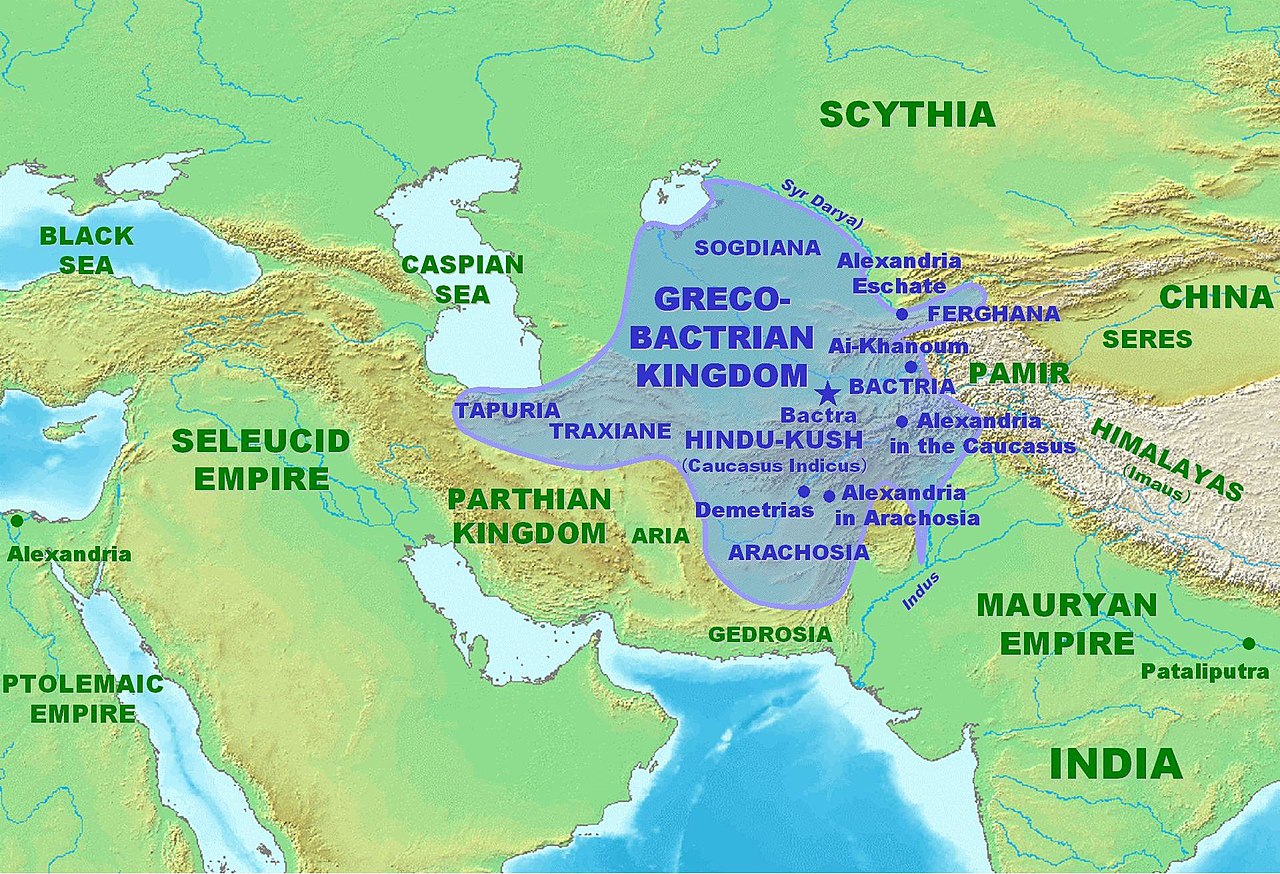
The Greco-Bactrian Kingdom was a Hellenistic state that emerged in Central Asia after the fragmentation of Alexander the Great's empire. Centered on Bactria (around the city of Bactra, modern Balkh), it flourished roughly between the mid-3rd and mid-2nd centuries BC and controlled territories in what are now Afghanistan, parts of Turkmenistan, Iran and Pakistan. It represented the easternmost extension of the Ancient Greek world and became a crossroads where Mediterranean, Iranian and South Asian traditions mixed.
Image gallery
10 Images





History and political development
The kingdom originated when local governors of the Seleucid Empire asserted independence during the 3rd century BC. A frequently cited early leader was Diodotus (often called Diodotus I), who broke away from Seleucid control and established a ruling dynasty centered in Bactria. Subsequent rulers, including Euthydemus and his successors, consolidated power, fought conflicts with western Hellenistic states, and extended influence toward the Indian subcontinent. Contacts and campaigns across the Hindu Kush helped produce the later Indo-Greek polities that carried Greek political models farther into South Asia.
Characteristics and culture
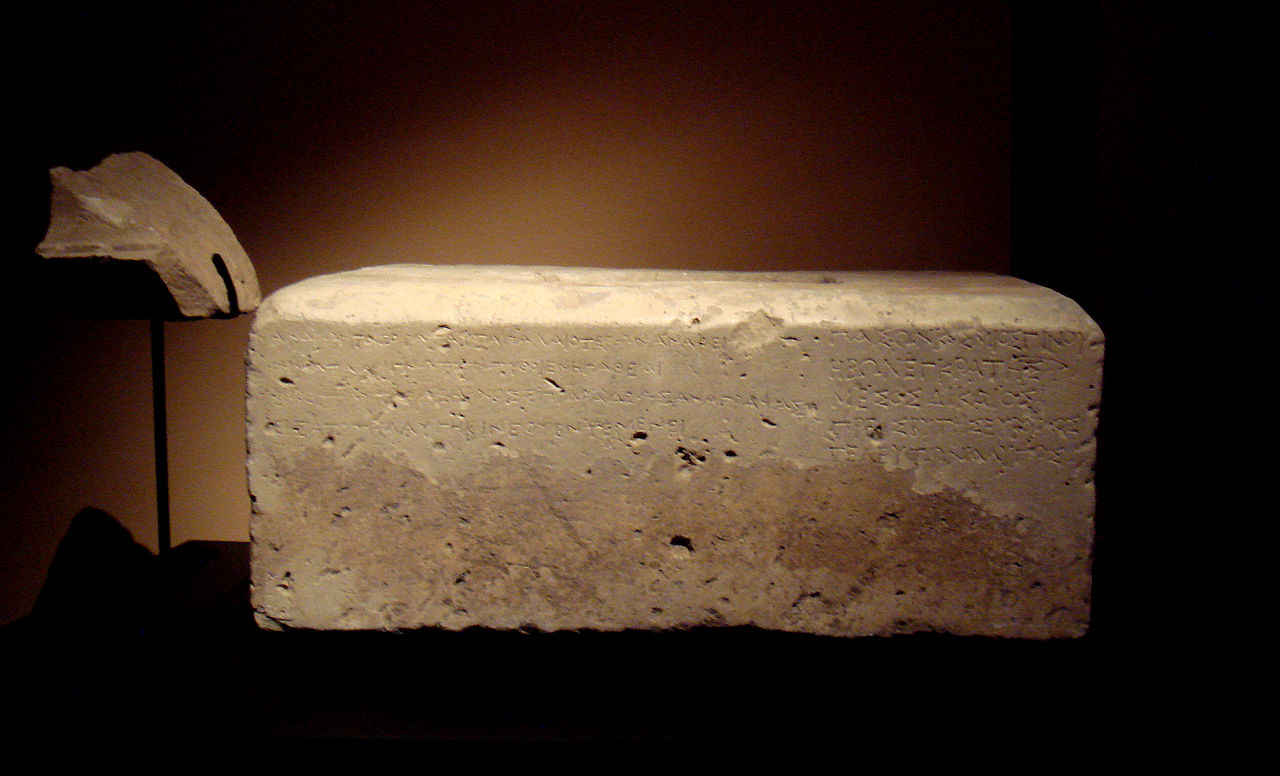
The Greco-Bactrian realm combined Greek institutions and art with local and nomadic influences. Greek became the language of administration and appears on coins and surviving inscriptions, while civic institutions reflected Hellenistic models. Coinage from the region is especially important to historians: it bears realistic portraiture of kings, Greek legends, and a mix of Greek and local iconography that documents cultural blending and shifts in power.
Economy, cities and art
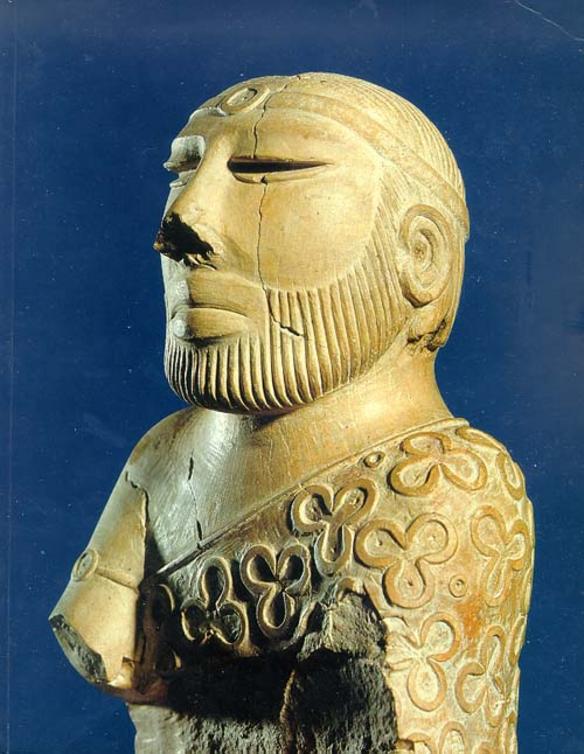
Economically, the kingdom benefited from trade routes linking the Mediterranean and South Asia. Cities retained urban Greek features—agoras, theaters and Hellenistic-style architecture adapted to local conditions—and artisans produced works that fused Greek realism with Central Asian motifs. This cultural syncretism later influenced Gandharan art and the visual language of Buddhism in the region.
Decline and legacy
From the mid-2nd century BC the Greco-Bactrian state fragmented under pressure from invading nomadic groups and internal divisions. Successor polities, such as the Indo-Greek kingdoms and eventually the Kushan state, absorbed much of its territory and cultural heritage. The Greco-Bactrian period is therefore notable less for a single long-lived empire than for creating networks of exchange and artistic synthesis that shaped the history of Central and South Asia.
Notable facts
- The kingdom occupied territory first conquered by Alexander the Great, then ruled by his Hellenistic successors.
- Evidence for the state comes mainly from coins, fragments of inscriptions and archaeological remains.
- Its interactions helped produce the Indo-Greek kingdoms and contributed to Greco-Buddhist art traditions.
- Modern scholarship on the Greco-Bactrian realm draws on numismatics, classical sources and Central Asian archaeology; see specialized studies for detailed chronologies and debates (Afghanistan is the core area often discussed).
Related articles
Author
AlegsaOnline.com Greco-Bactrian Kingdom Leandro Alegsa
URL: https://en.alegsaonline.com/art/40620