
Gums (Gingiva): Structure, Function, and Common Conditions
Gums, or gingiva, are the oral mucosal tissues that surround and seal teeth. This article outlines their anatomy, roles, common diseases, prevention and clinical significance.
Overview
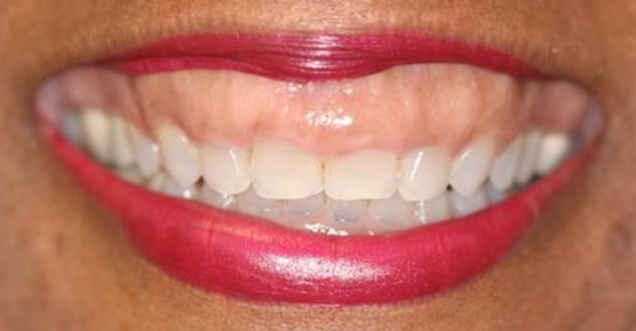
The gums, medically called the gingiva, are the specialized mucosal tissue that surrounds and protects the teeth. They form a continuous band around the tooth necks and create a seal that helps prevent bacterial invasion of the deeper periodontal tissues. Healthy gums are essential for tooth stability, comfort, and oral function.
Image gallery
5 Images



Anatomy and parts
Gingiva covers the alveolar processes of the jaws: the lower mandible and the upper maxilla. Major anatomic zones include:
- Free (marginal) gingiva — the edge around each tooth that is not firmly attached and forms the sulcus.
- Attached gingiva — the portion fused to the underlying bone and tooth root, resistant to mechanical stress.
- Interdental papilla — the triangular tissue between adjacent teeth.
- Mucogingival junction — the boundary between movable oral mucosa and firmer gingiva.
Functions
Gums protect the tooth-supporting structures, provide a barrier against microbes, contribute to aesthetics, and help distribute forces during chewing. They also contain sensory receptors and blood vessels important for tissue health and repair.
Common conditions and care
Inflammatory diseases such as gingivitis and periodontitis arise when plaque accumulates and the immune response damages connective tissues. Symptoms include redness, swelling, bleeding, recession, and in advanced cases, loosening of teeth. Routine oral hygiene, regular professional cleanings, and controlling risk factors (tobacco use, poor glycemic control, and certain medications) reduce disease risk.
Clinical notes and distinctions
Clinicians distinguish gingival inflammation from attachment loss: gingivitis is reversible if treated early, while periodontitis involves irreversible bone and ligament destruction. Other notable conditions include gingival hyperplasia, recession, and lesions that require biopsy when persistent or atypical. Good periodontal care is linked to overall oral function and can influence general health.
Related articles
Author
AlegsaOnline.com Gums (Gingiva): Structure, Function, and Common Conditions Leandro Alegsa
URL: https://en.alegsaonline.com/art/41412