
Gray's Anatomy: Classic English-language human anatomy reference
Comprehensive overview of Henry Gray's Anatomy: its origin, illustrations, structure, uses in medical education and clinical practice, and how it evolved into a long-running anatomical reference.
Overview
Gray's Anatomy is a landmark English-language work on anatomy that has served as a standard reference for generations of physicians, surgeons and students. Originally produced as a textbook, it combines systematic descriptions of the body's structures with plates and surgical correlations. It was written with medical training in mind and remains a touchstone for medical students worldwide.
Image gallery
3 Images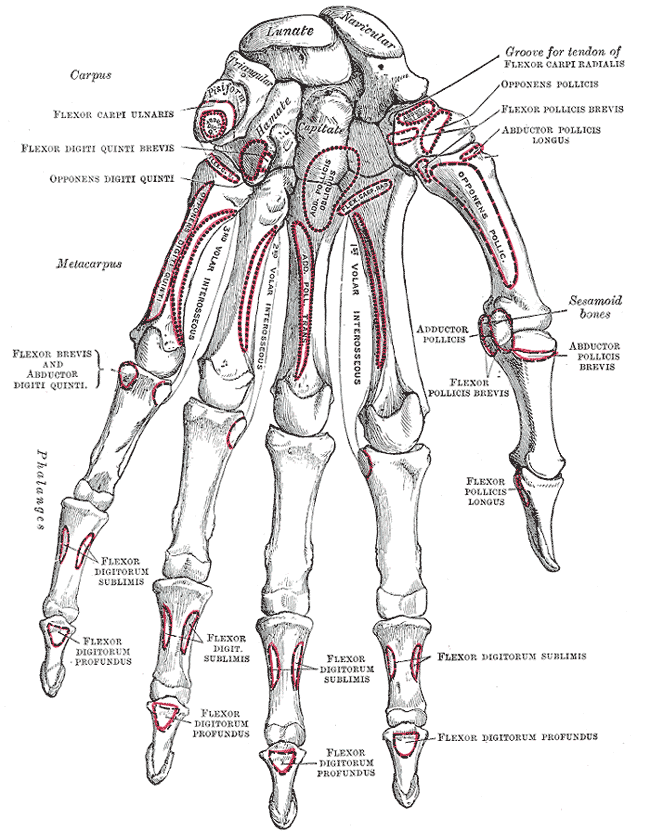

Characteristics and illustrations
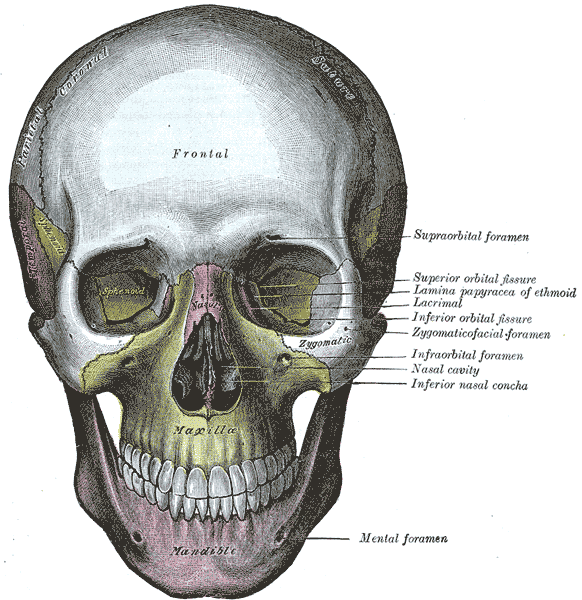
The book is notable for its clear, organised presentation of anatomical systems and for its detailed illustrations. The plates and dissections emphasize both descriptive anatomy and practical surgical relationships. Its layout balances textual explanation with visual aids so readers can follow surface landmarks, deep structures and operative anatomy. Artists and anatomists have long praised the careful combination of diagram and dissection.
History and first editions
Gray's Anatomy first appeared in the mid-19th century under a title that emphasized both descriptive and surgical aspects. The earliest editions were published in the United Kingdom and soon afterwards in the United States. The original author worked with an illustrator to produce the plates that distinguished the book from earlier manuals and made it useful to surgeons and teachers alike.
Development and modern editions
Since its first publication the work has been revised repeatedly by successive editors and contributors to reflect advances in anatomy, surgical technique and medical terminology. Modern editions update nomenclature, add imaging correlations and incorporate newer pedagogic features while preserving the book's traditional strengths: systematic structure, clinical relevance and authoritative detail.
Uses and influence
Gray's Anatomy functions as a core resource for anatomy teaching, a surgical reference and a source for artists studying human form. Its influence extends beyond medicine into medical history and education. Because of its name and cultural prominence, it is sometimes referenced in popular media, which has led to occasional confusion with unrelated works using similar titles.
Key features and notable facts
- Systematic coverage of anatomical regions and systems with clinical notes.
- High-quality plates and dissections that set a publishing standard for anatomy.
- Continuously revised across many editions to reflect current practice.
- The title is an eponym linked to its original author and remains a recognized brand in medical literature (not to be confused with fictional uses of a similar name).
- Often referenced in academic and training contexts as an enduring English-language resource: reference, human anatomy coverage.
For readers seeking more detail on particular editions, contributors and illustrative history, bibliographic and library resources provide edition histories and editorial notes that track how the book changed across time. General introductions and anatomy courses continue to point to Gray's Anatomy as a comprehensive starting point for the study of human structure.
Additional resources and archival material can be consulted through medical libraries and online catalogues that list historical and modern editions, illustrations and editorial credits. For further reading, see standard library guides and specialized histories of anatomical publishing.
Related articles
Author
AlegsaOnline.com Gray's Anatomy: Classic English-language human anatomy reference Leandro Alegsa
URL: https://en.alegsaonline.com/art/40427