
Grave (historic unit of mass)
Grave was an early name for the kilogram used during the French Revolutionary metric reforms. It denotes a unit of mass equivalent to the modern kilogram and has been discussed in relation to SI naming and historical development.
Overview
The grave was an early name used for a unit of mass equivalent to what is now called the kilogram. Coined during the period of metric reform in France at the end of the 18th century, the word links linguistically to concepts of gravitation and weight. In many contemporary discussions of metric history and unit nomenclature the grave appears as a historical alternative to the modern name and as an example of early attempts to rationalize measures of mass and weight. See general ideas of mass and the later established unit kilogram.
Image gallery
2 Images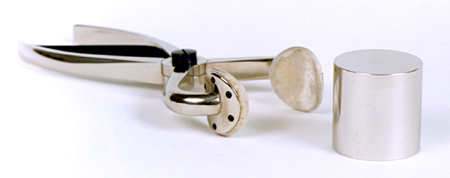
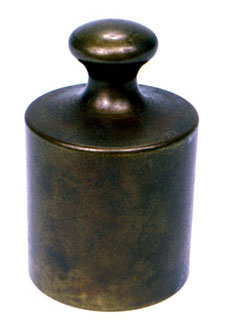
Characteristics and name
As used historically, the grave represented the same magnitude as the modern kilogram: the mass of a standard amount of water close to 1 litre under specified conditions (the historical definitions varied as standards were refined). The name grave derives from the same root as gravity, reflecting the connection between mass and the force of gravity in everyday language. In some archival documents and early metric proposals the term appears with abbreviations such as "gv", though that abbreviation did not persist into international practice.
Historical development
The grave first appears in the metric-reform literature of France during the 1790s, a time of rapid change in weights and measures as revolutionary governments sought a rational, universal system (1793 is commonly cited as an early date for proposals using the name). Within a few years the term "kilogram" (then often spelled "kilogramme") came into use in 1795 as the name for the principal unit of mass in that system, and metric terminology and standards continued to evolve through the 19th century. International agreements and institutions established later in the century and afterwards contributed to standardization; for example, diplomatic and scientific cooperation around measures increased following the Metre Convention of 1875.
Uses, examples and significance
Although the grave itself did not survive as the standard international name, it is useful for understanding the formative debates over unit names, meanings and conventions. Practically, the grave indicated the same base quantity as the kilogram, and conversions or numerical examples are unchanged: one grave = one modern kilogram = 1,000 grams. The historical episode illustrates how terminology and public acceptance matter for the adoption of measurement systems, not just the physical definition of a unit.
SI consistency and naming debates
A recurring technical point in metrology is that the International System of Units (SI) prefers base unit names that do not contain prefixes, while the name "kilogram" includes the prefix "kilo". For this reason some metrologists and commentators have at times suggested adopting a different name (for example, reviving "grave" or other alternatives) so that the base unit could be the root word without an embedded prefix. Discussions about renaming have been practical and conceptual rather than urgent: the SI has continued to use "kilogram" as its base unit of mass despite the inconsistency. Historical proposals and modern commentary often reference the system of unit prefixes when explaining the issue.
Notable distinctions and legacy
- The grave is primarily of historical and linguistic interest rather than current scientific use.
- The term underscores the distinction between mass (an intrinsic property of matter) and everyday notions of weight tied to gravity.
- Although the grave was an early candidate name, the modern international vocabulary settled on "kilogram", and subsequent metrological work concentrated on defining and maintaining its standard rather than renaming it.
For readers seeking more context on related topics, consult resources on the history of the metric system, the concept of mass, the adoption of the kilogram, and technical discussions about unit naming and the SI (SI system). Historical dates and primary-source terminology can be found in accounts of the French metric reforms (1793, 1875) and contemporary studies of unit nomenclature (gravity, prefixes).
Related articles
Author
AlegsaOnline.com Grave (historic unit of mass) Leandro Alegsa
URL: https://en.alegsaonline.com/art/40384