
Graphics Processing Unit (GPU): Purpose, Architecture, History, and Uses
An overview of graphics processing units: what they are, how they work, types, history, main uses (gaming, design, compute) and practical factors when choosing one.
Overview
A graphics processing unit (GPU) is a specialized electronic processor designed to accelerate the creation and manipulation of images, animations and visual effects for display. Originally built to relieve the central processor of the intensive arithmetic work involved in rasterizing pixels, modern GPUs are highly parallel devices optimized for rendering both 2D and 3D content as well as for certain non‑graphics calculations.
Image gallery
10 Images


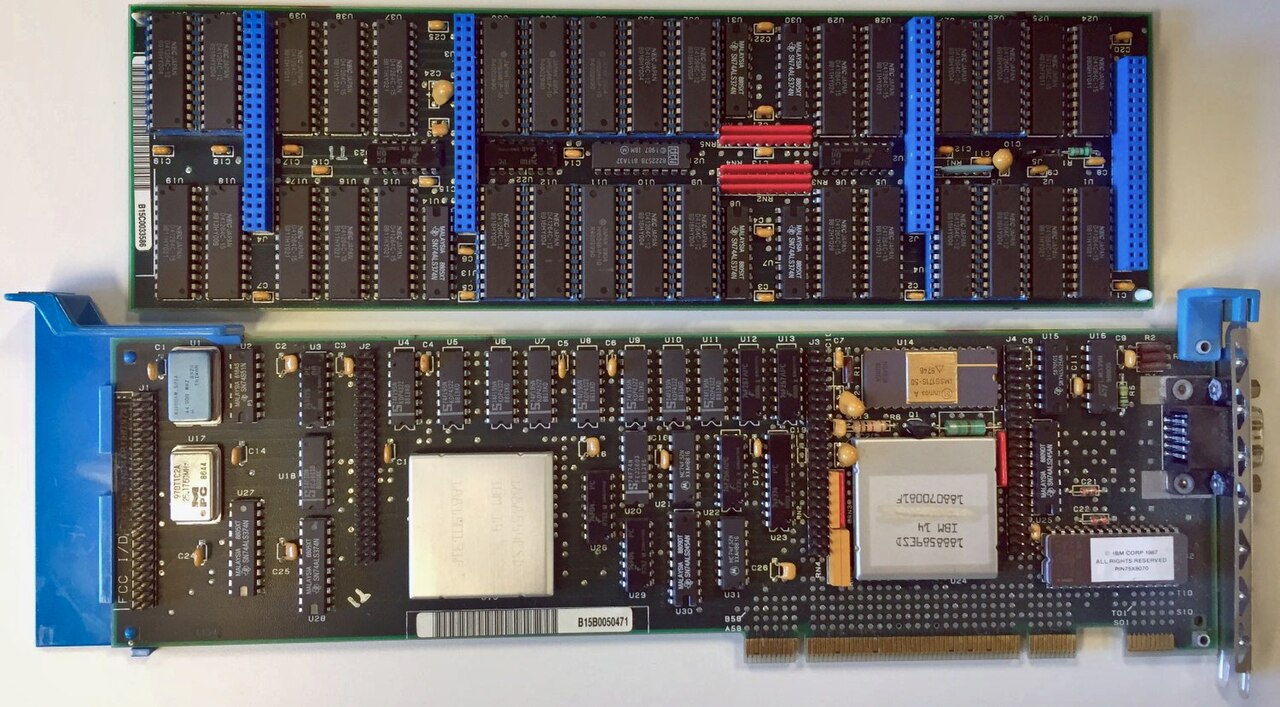

Architecture and main components
At a high level a GPU combines many small processing units, fast local memory, and high-bandwidth access to dedicated graphics memory (VRAM). Key elements include shader cores (also called CUDA cores, stream processors or compute units by different manufacturers), texture units, rasterizers, and memory controllers. Together these parts execute shading and transformation operations in parallel, enabling the rapid conversion of geometric descriptions into pixels.
Types and form factors
GPUs come in several forms: integrated GPUs are built into a CPU or system-on-chip and share system memory; discrete GPUs are separate cards with their own VRAM and cooling; and server or data‑center GPUs are optimized for high throughput compute tasks and large memory capacities. Manufacturers also offer variants aimed at gaming, professional visualization (workstations) and scientific or machine learning workloads.
History and development
Graphics accelerators evolved from simple fixed‑function chips that handled blitting and basic 2D operations into programmable processors in the late 1990s and early 2000s. The introduction of programmable shading and general‑purpose compute APIs expanded GPU roles beyond display rendering into areas such as physics simulation, scientific computing and neural network training. Over time improvements in transistor density, memory speed and parallel software tools have driven steady increases in raw throughput and efficiency.
Common uses and examples
- Gaming and entertainment: Real‑time 3D rendering, physics, and post‑processing effects for interactive titles and multimedia.
- Professional design and CAD: Rendering, visualization and real‑time previews in architecture, engineering and product design applications.
- Media playback and creation: Hardware acceleration for video decoding, color grading and effects in editing software.
- Compute and AI: Parallel numerical workloads such as machine learning training, image processing and scientific simulation using general‑purpose GPU programming models.
- Web and mobile graphics: Lightweight GPUs drive user interfaces and browser rendering, often via GPU-accelerated APIs.
For simple 2D tasks an integrated GPU often suffices (2D graphics), while complex 3D scenes and high‑resolution gaming rely on more capable discrete cards (3D graphics). Many modern games and simulation programs illustrate the difference in demands (video games).
Performance factors and choosing a GPU
Important considerations include the number of processing cores, memory capacity and bandwidth, driver and API support (OpenGL, DirectX, Vulkan, CUDA, OpenCL), power consumption, cooling, and software ecosystem. Benchmarks vary by workload: a card that excels at rasterized gaming may not be ideal for deep learning or professional rendering. Practical selection balances the intended application, system compatibility and budget.
Notable distinctions include the contrast between GPUs and CPUs: GPUs trade single‑threaded latency for massive parallel throughput. They have transformed from single‑purpose graphics accelerators into versatile compute engines that underpin modern graphics, visualization and a growing range of scientific and commercial applications.
Related articles
Author
AlegsaOnline.com Graphics Processing Unit (GPU): Purpose, Architecture, History, and Uses Leandro Alegsa
URL: https://en.alegsaonline.com/art/40353
Sources
- commons.wikimedia.org : Graphics card
- nvidia.com : nvidia.com/object/cuda_home.html
- ati.amd.com : ati.amd.com
- s3graphics.com : s3graphics.com/en/pressroom/pressrelease/2008/S3GPR081017GPGPU_S3FotoPro.jsp
- amd.com : amd.com/us-en/Corporate/VirtualPressRoom/0,,51_104_543_15944~129743,00.html
- slizone.com : slizone.com/page/home.html
- game.amd.com : game.amd.com/us-en/crossfirex_about.aspx