
Gozo (Għawdex): Malta's rural island of hills, temples and coast
Gozo (Maltese: Għawdex) is the second-largest island of the Maltese archipelago, known for its hilly countryside, prehistoric Ġgantija temples, fortified Citadel, coastal cliffs and a quieter pace of life.
Overview
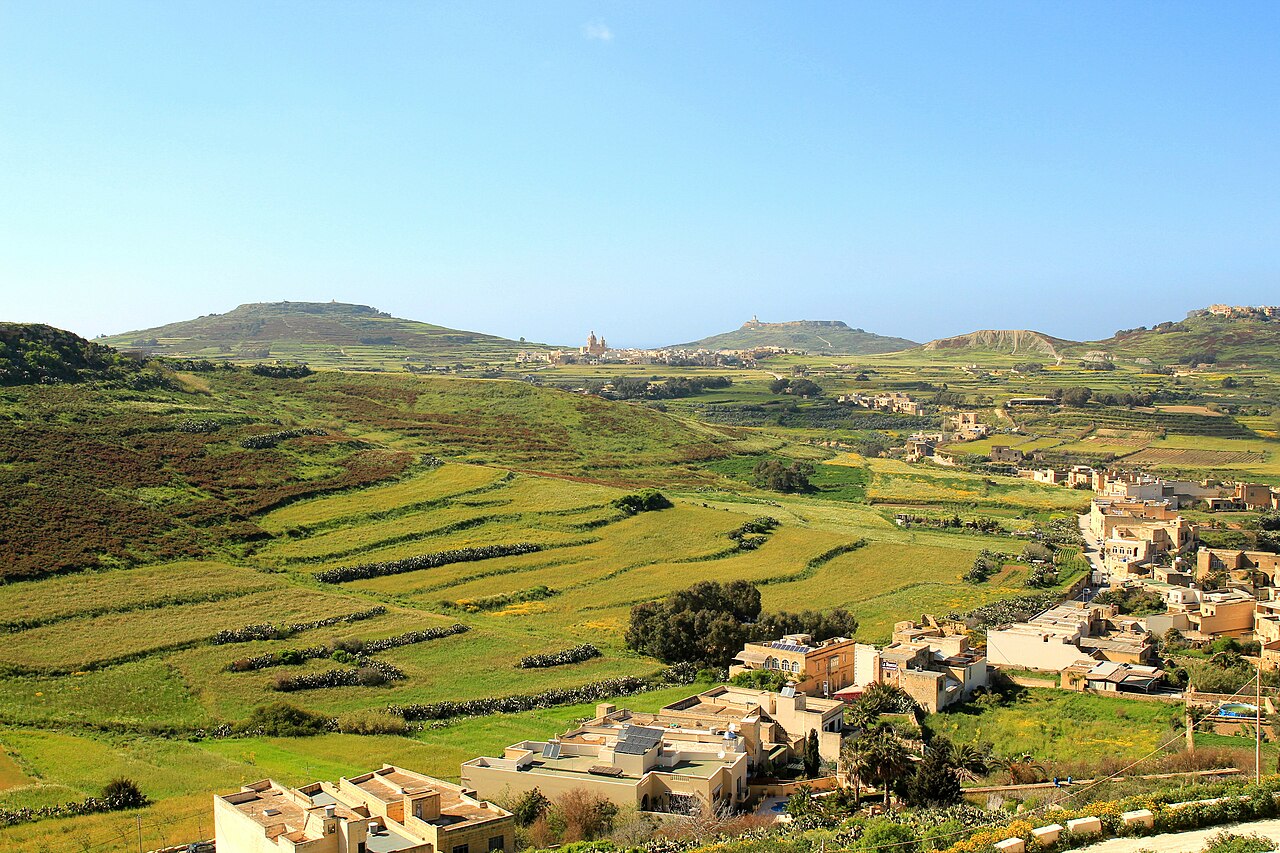
Gozo (Għawdex, formerly Gaulos) is an island in the Maltese archipelago located in the central Mediterranean Sea. It is the second‑largest island in the Maltese state and is often described as more rural and tranquil than the main island of Malta. The island’s rolling, terraced hills appear on its coat of arms and shape much of its identity as a place of agriculture, village life and traditional crafts.
Image gallery
8 Images




Landscape and characteristics
Gozo’s terrain is marked by low limestone hills, narrow valleys and a deeply indented coastline of cliffs, bays and sea caves. The island has sandy and pebble beaches in sheltered bays as well as sheer cliffs popular with rock climbers and divers. Karst features such as natural arches and grottoes once included famous landmarks; some, like the Azure Window, were prominent until they collapsed in recent years but the surrounding areas remain important for geology and tourism.
History and heritage
Human presence on Gozo stretches back thousands of years. The island is notable for the Ġgantija temples on the east side, megalithic structures that rank among the world’s oldest free‑standing monuments and are protected as part of a UNESCO World Heritage grouping. Over centuries Gozo has seen Phoenician, Roman, Byzantine and medieval influences, later becoming part of the domain of the Knights of St John and experiencing the broader strategic history of the central Mediterranean.
Culture, economy and daily life
Gozitan culture emphasizes village traditions, religious festas, crafts and cuisine. Maltese and English are widely used, with a distinctive local dialect and customs that set Gozo apart. The economy blends small‑scale agriculture—vineyards, fruit and vegetable cultivation—and fishing with a significant tourism sector that centers on heritage sites, coastal recreation and rural hospitality. Local artisans produce lace, knitted goods and traditional foodstuffs sold in markets and shops.
Visiting Gozo
Visitors usually reach Gozo by short ferry crossings from Malta’s main island; local transport includes buses, taxis and car hire, while cycling and walking are popular for exploring the countryside. Diving, boat trips, cultural tours and guided walks are common activities. The main urban center, Victoria (also called Rabat), is dominated by the Citadel, a historic fortified core with museums, churches and panoramic views.
Notable sites and conservation
- Ġgantija temples — prehistoric megalithic complex and UNESCO site.
- The Citadel in Victoria — historic hilltop fortress and civic center.
- Dwejra and neighboring coastal features — Inland Sea, rocky bays and marine caves.
- Traditional villages and terraced farmland — examples of Mediterranean rural landscape.
Gozo is valued for its quieter pace, scenic diversity and concentration of heritage within a compact island setting. Conservation efforts seek to balance tourism and development with protection of archaeological sites, coastal habitats and the agricultural character that gives the island much of its appeal.
Related articles
Author
AlegsaOnline.com Gozo (Għawdex): Malta's rural island of hills, temples and coast Leandro Alegsa
URL: https://en.alegsaonline.com/art/40029
Sources
- books.google.com.mt : "Excursions in the Mediterranean"
- pleiades.stoa.org : Gaulos (island)
- trismegistos.org : Gaulos (Gozo) · web.archive.org
- visitgozo.com : "Coat of Arms of the Island Region of Gozo" · web.archive.org