
Governor‑General of New Zealand
The governor‑general is the monarch’s representative in New Zealand, exercising ceremonial, constitutional and community duties on behalf of the sovereign, usually for a five‑year term.
The Governor‑General of New Zealand is the personal representative of the country's sovereign. As the viceregal office within New Zealand’s constitutional monarchy, the governor‑general performs a mix of constitutional, ceremonial and community functions on behalf of the monarch. The office is a national appointment intended to embody the continuity of the Crown while acting, by convention, on the advice of elected ministers.
Image gallery
10 Images


Constitutional role and powers
Under New Zealand’s unwritten constitutional conventions the governor‑general gives legal effect to the decisions of government and Parliament. Typical responsibilities include granting Royal Assent to legislation, summoning and dissolving Parliament, and appointing ministers, judges and officials. Although most acts of the office are carried out on ministerial advice, the governor‑general retains a small set of reserve powers that may be exercised without or against ministerial advice in exceptional circumstances.
Ceremonial, community and symbolic duties
Beyond formal powers, the governor‑general fulfils important symbolic and social roles. The holder presides at state ceremonies, hosts visiting heads of state, presents national honours and awards, and supports charitable, cultural and educational organisations. The office aims to reflect New Zealand’s diversity and to act as a unifying, non‑partisan presence in public life.
Appointment, term and conventions
The sovereign formally appoints the governor‑general, acting on the recommendation of the Prime Minister of New Zealand. Appointments are usually for five years, though extensions or shorter terms can occur by mutual agreement. The office‑holder is commonly addressed as "His/Her Excellency" and carries out duties with support from a viceregal household and staff based at Government House.
History and evolution
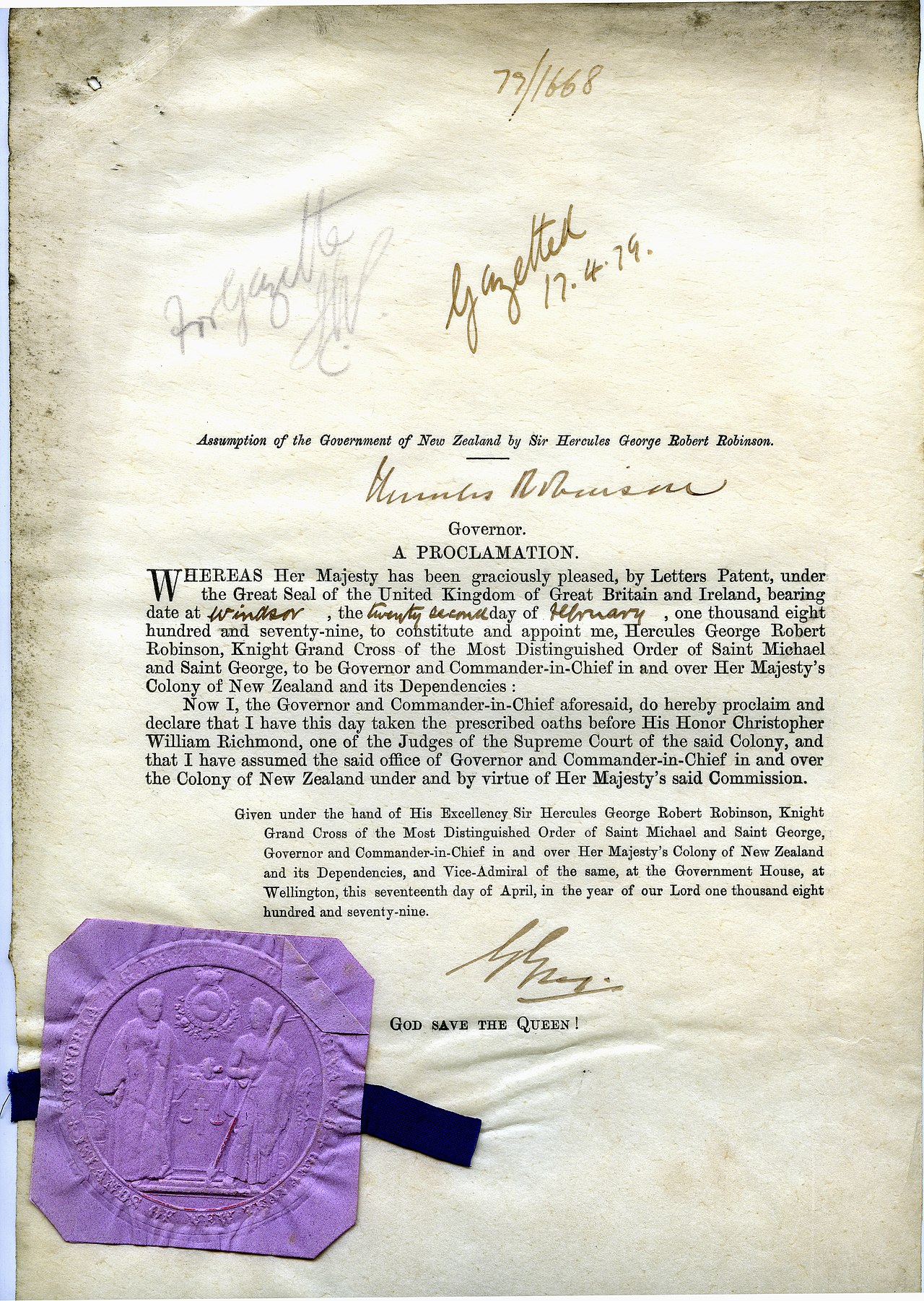
The role developed from colonial governors who represented the British Crown; over time, New Zealand’s governor‑general became the representative of the New Zealand sovereign as the country gained legislative independence and developed its own constitutional identity. The office has adapted to changing social and political expectations, with modern incumbents often emphasizing community engagement and reflecting the nation’s cultural diversity.
Notable facts and examples
- The governor‑general performs both formal state duties and community engagement, balancing constitutional restraint with visible public presence.
- Reserve powers are rarely used but exist to protect constitutional order in crises.
- Appointments aim to represent New Zealand society and have included figures from diverse backgrounds; for example, Dame Cindy Kiro was appointed governor‑general in 2021.
- Further information about the monarchy and the office can be found via official and historical sources such as the pages on the royal household and national government guidance about the Crown.
Related articles
Author
AlegsaOnline.com Governor‑General of New Zealand Leandro Alegsa
URL: https://en.alegsaonline.com/art/39970