
Governor‑General of Saint Vincent and the Grenadines
The Governor‑General is the monarch's representative in Saint Vincent and the Grenadines, carrying out constitutional, ceremonial and community duties since independence in 1979.
The Governor‑General of Saint Vincent and the Grenadines is the official representative of the reigning monarch in the country. The modern office was created at independence in 1979; information about the office is available from the Office of the Governor‑General. At independence the islands became a Commonwealth realm, and the monarch at that time was Queen Elizabeth II.
Image gallery
6 Images


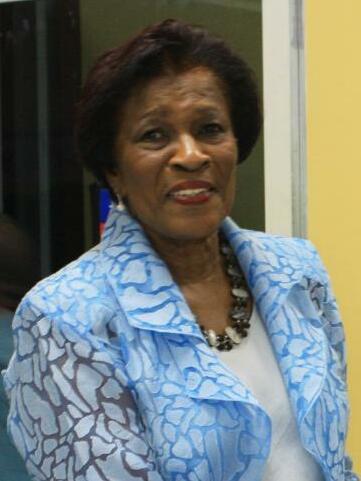

Role and constitutional position
As a viceregal figure, the Governor‑General performs functions established by the national constitution. The holder acts on the advice of elected ministers in most routine matters, giving legal effect to government decisions while remaining formally non‑partisan. The office provides continuity between the Crown and the democratic institutions of state.
The Governor‑General's duties include summoning and dissolving Parliament, appointing the Prime Minister and other ministers, and granting assent to legislation passed by Parliament. Although most powers are exercised on ministerial advice, the office retains reserve powers that can be used in exceptional constitutional crises.
Responsibilities
- Appointing and swearing in the Prime Minister and Cabinet ministers.
- Opening and proroguing sessions of Parliament and giving royal assent to bills.
- Representing national unity at ceremonies, awarding honours and receiving foreign envoys.
- Exercising reserve powers in rare situations to preserve constitutional government.
Governors‑General are normally citizens of Saint Vincent and the Grenadines and are appointed by the monarch on the advice of the country's Prime Minister. The term of office is served at the pleasure of the monarch; in practice incumbents serve until resignation, retirement or replacement.
The Governor‑General occupies an official residence known as Government House and performs many ceremonial duties: presiding at national celebrations, presenting awards, and promoting civic initiatives. The office is a constitutional symbol intended to embody national continuity and the rule of law.
Notable aspects of the post include its blend of ceremonial visibility with largely constitutional functions, the rare but important use of reserve powers, and its origin at the transition from colonial governance to independent statehood in 1979.
Related articles
Author
AlegsaOnline.com Governor‑General of Saint Vincent and the Grenadines Leandro Alegsa
URL: https://en.alegsaonline.com/art/39974