
Governor-General: representative of the head of state in Commonwealth realms
A governor-general is the representative of a sovereign (often the British monarch) in a Commonwealth realm. This article outlines the office, duties, history, appointment, and notable variations.
A governor-general is a senior constitutional officer who acts as the official representative of a country's head of state. The term is most familiar in nations of the Commonwealth realm, where the governor-general represents the British monarch, but the title and concept have been used and adapted in other systems of government. The office combines ceremonial, constitutional and occasionally discretionary functions, and its practical role varies by country and by constitutional practice.
Image gallery
6 Images
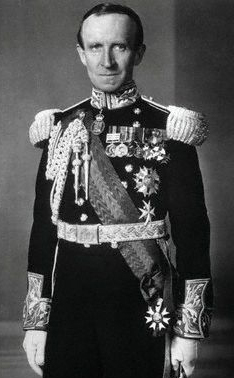

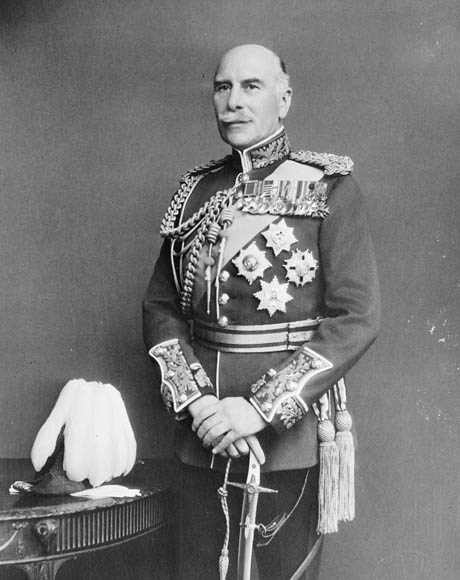
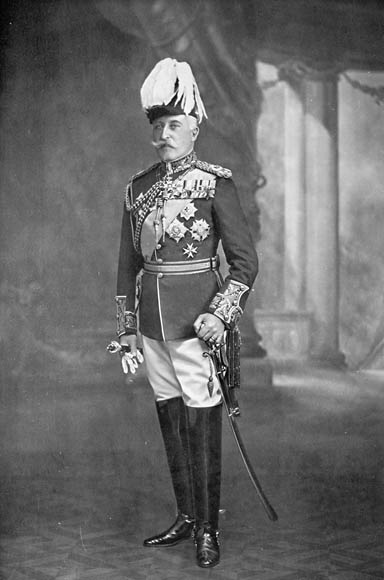
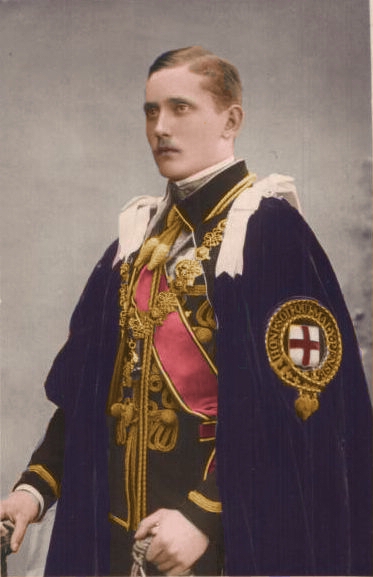
Role and common functions
In modern practice a governor-general normally performs duties such as giving formal assent to legislation, opening and dissolving parliament, receiving foreign diplomats, and presiding over national ceremonies. Many of these acts are exercised on the advice of elected ministers, making the office largely ceremonial in day-to-day government. However, governors-general often hold so-called reserve or discretionary powers that can be used in exceptional constitutional crises.
- Granting royal assent to bills and signing official documents.
- Appointing prime ministers, ministers and judges according to constitutional rules.
- Summoning, proroguing or dissolving parliament upon ministerial advice.
- Exercising reserve powers in deadlocks or breakdowns of responsible government.
Appointment, tenure and accountability
Appointment procedures differ, but typically a governor-general is appointed by the sovereign on the recommendation of the country's prime minister. Terms may be fixed or indefinite and can include formal conditions for resignation or dismissal. Although the office represents the monarch, the governor-general is expected to act on the advice of locally accountable ministers and to remain politically neutral.
History and development
The office evolved from colonial governors who exercised executive authority on behalf of imperial powers. As colonies gained self-government and later independence, the role was transformed into a domestic viceregal office that preserved continuity with constitutional monarchy while allowing political control to rest with locally elected institutions. Over the 20th century, many former colonies that became republics replaced the governor-general with a president, though several independent states retained the office.
Variations and notable facts
Different countries use slightly different styles and spellings — for example, Canada customarily uses "Governor General" while Australia often uses "Governor-General". The term viceregal describes the office's nature as standing in for the sovereign. Because constitutional conventions and legal details vary, the practical power of governors-general ranges from largely ceremonial to significant in moments of constitutional uncertainty.
For further general reference on the concept of a representative head of state and on realms where the office exists, see entries associated with the terms above: head of state and Commonwealth realm.
Related articles
Author
AlegsaOnline.com Governor-General: representative of the head of state in Commonwealth realms Leandro Alegsa
URL: https://en.alegsaonline.com/art/39977
Sources
- gg.ca : "Biography"
- gg.gov.au : "Welcome"