
Governor-General of Pakistan
The Governor‑General was Pakistan's viceregal head of state from independence in 1947 until the 1956 republic; a constitutionally appointed office that evolved into a powerful political position.
The Governor‑General of Pakistan was the Crown's representative and ceremonial head of state in Pakistan from the country's independence in 1947 until the adoption of a republican constitution in 1956. Initially the office reflected the arrangements then common across several new states: the British monarch remained head of state and appointed a Governor‑General to act within the national constitution and on ministerial advice. Early practice, however, showed that the holder could exercise significant influence over political events.
Image gallery
9 Images





Constitutional basis and powers
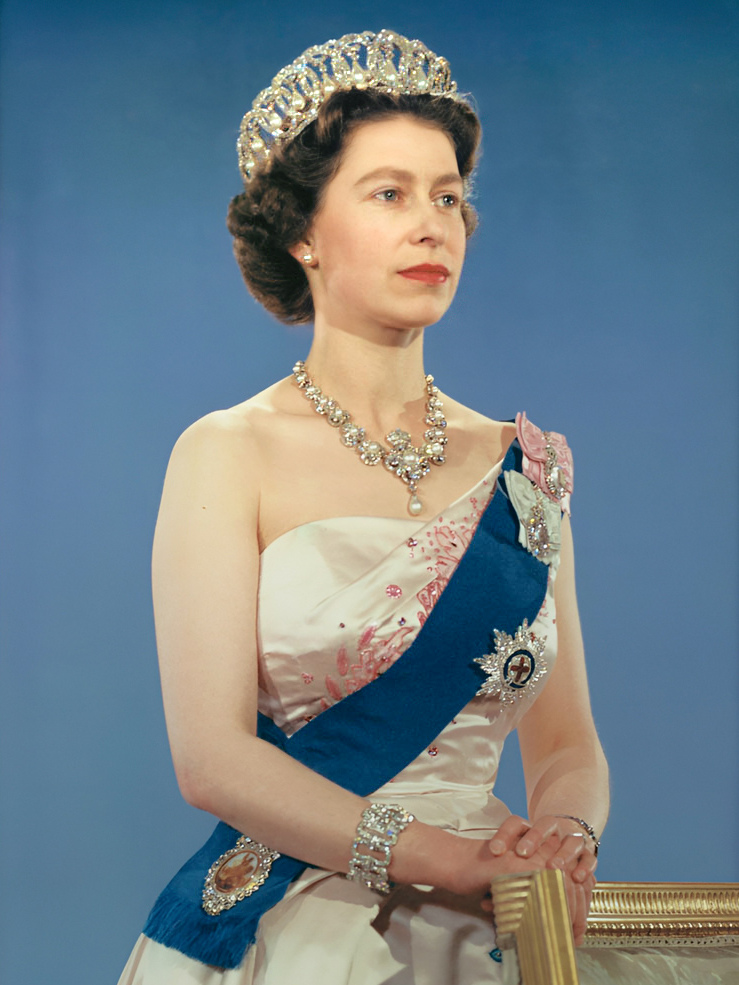
At independence Pakistan provisionally continued to operate under the Government of India Act 1935, which established the legal framework for a dominion-style state. Under that framework the monarch — first King George VI and after 1952 Queen Elizabeth II (styled in this context as the "Queen of Pakistan") — formally appointed the Governor‑General. The appointment was to be made on the advice of the Prime Minister of Pakistan, and the Governor‑General was intended to act as the de jure head of state while the elected government carried on day‑to‑day affairs. In practice, the office carried certain reserve powers and remained a focal point for constitutional interpretation, meaning it could and did assert substantial authority beyond purely ceremonial functions. This arrangement reflected Pakistan's status as a Dominion within the Commonwealth realm, a system compatible with a constitutional monarchy.
Notable holders and political impact
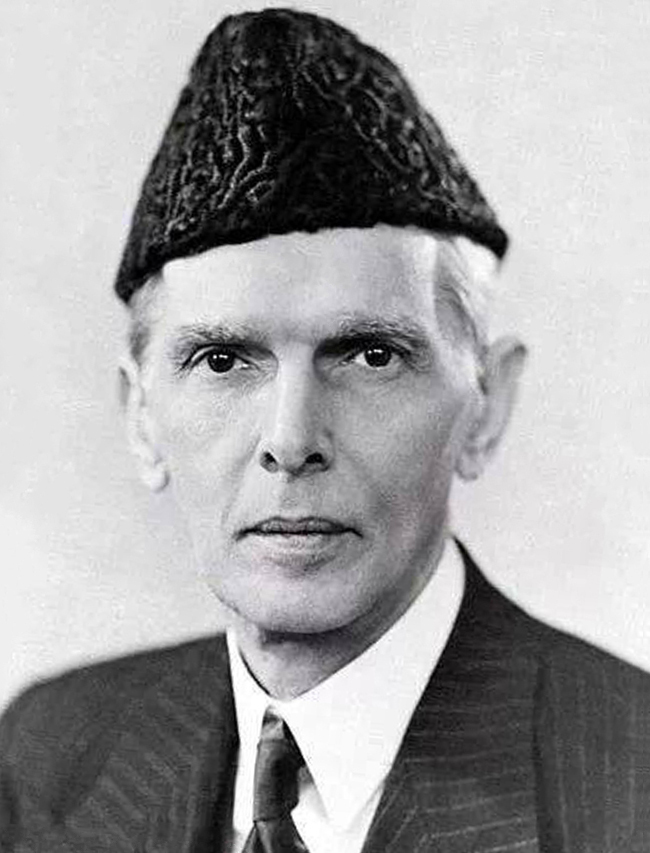
The inaugural holder was Muhammad Ali Jinnah, widely known as Quaid‑e‑Azam. Jinnah combined symbolic leadership with a hands‑on approach to governance; his stature made the office unusually prominent during Pakistan's founding months. After his death the office passed through several incumbents whose actions shaped early Pakistani politics. Over a short span, Governors‑General dismissed cabinets, influenced party alignments and used reserve powers in ways that contributed to political instability. One example frequently cited in historical accounts is the dismissal of a prime minister by a Governor‑General, an event that highlighted the tension between de jure constitutional arrangements and de facto political practice (de facto).
- Muhammad Ali Jinnah — first Governor‑General and founding leader.
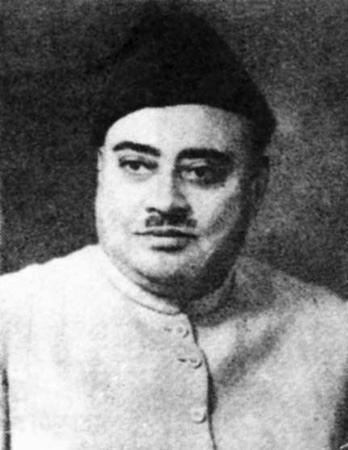
- Khawaja Nazimuddin — succeeded Jinnah as Governor‑General before later serving as Prime Minister.
- Ghulam Muhammad — his tenure is often associated with a stronger exercise of viceregal authority and the dismissal of civilian governments.
- Iskander Mirza — the last Governor‑General, who later became the country's first President of Pakistan.
Transition to a republic and legacy
Debate about the proper scope of the Governor‑General's authority was part of broader discussions about constitutional reform in the early 1950s. In 1956 Pakistan adopted a new constitution and declared itself a republic, abolishing the monarchy's role and replacing the office of Governor‑General with the office of President. The transition reflected a desire to establish a wholly indigenous head of state and to clarify the balance of power between the executive and parliamentary branches. The last Governor‑General, Iskander Mirza, became the first president under the new arrangements.
Why the office matters
The Governor‑General period is significant for understanding Pakistan's early political evolution. It illustrates how a constitutional office, conceived as a ceremonial link to the Crown, can become central to national politics when institutions are young and parties or civil‑military relations are unsettled. The experience influenced later choices about constitutional safeguards, the separation of powers and the design of presidential and parliamentary roles in Pakistan's subsequent constitutional histories.
For further reading on institutional developments and biographies of individual officeholders, consult national archives and authoritative histories of Pakistan's constitution and early governments — see sources indexed under the terms linked above (1952, constitutional monarchy, Commonwealth realm).
Related topics: the office's interaction with the Prime Minister of Pakistan, the practical use of reserve powers, and the constitutional debate that culminated in the establishment of the President of Pakistan as head of state.
Questions and answers
Q: Who was the first Governor-General of Pakistan?
A: Muhammad Ali Jinnah was the first Governor-General of Pakistan.
Q: What did Muhammad Ali Jinnah tell Louis Mountbatten?
A: Muhammad Ali Jinnah told Louis Mountbatten that "when I am Governor-General the Prime Minister will do what I tell him to".
Q: When did Pakistan become an independent, self-governing nation?
A: Pakistan became an independent, self-governing nation in 1947.
Q: What type of government did post-independent India and Pakistan provisionally continue to use until a post-independence constitution could be drafted?
A: Post-independent India and Pakistan provisionally continued to use the Government of India Act 1935 as their written constitution until a post-independence constitution could be drafted.
Q: Who appointed the Governor General upon advice from the Prime Minister of Pakistan?
A: The monarch appointed a Governor General upon advice from the Prime Minister of Pakistan.
Q: When was the office of Governor General replaced by President of Pakistan?
A: The office of Governor General was replaced by President of Pakistan when it became a republic in 1956.
Q: Who became the first President when this happened?
A Iskander Mirza became the first President when this happened.
Related articles
Author
AlegsaOnline.com Governor-General of Pakistan Leandro Alegsa
URL: https://en.alegsaonline.com/art/39971