
Gorgonops — late Permian saber-toothed therapsid predator
Gorgonops, a genus of gorgonopsian therapsids from the Late Permian, was a dominant carnivore with long canine teeth and mammal-like features. Fossils are known mainly from southern Africa.
Overview
Gorgonops is a genus of extinct therapsids that lived in the latest part of the Permian period, approximately 255–250 million years ago. The name literally means "Gorgon face" and refers to its formidable skull; the etymology is often discussed in older literature (Gorgon). Gorgonops and its relatives, the gorgonopsians, were among the top predators of terrestrial ecosystems before the end-Permian mass extinction.
Image gallery
7 Images


Anatomy and adaptations
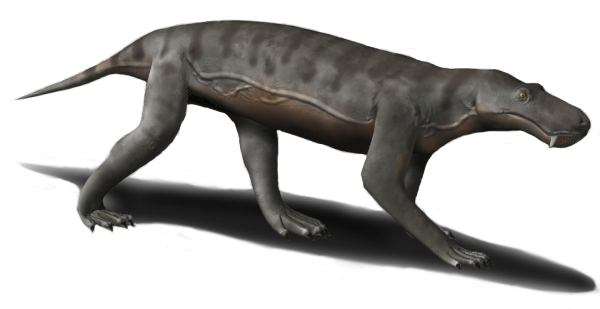
These animals combined several reptile-like and mammal-like characteristics typical of therapsids (therapsid). They had elongated, flattened skulls with disproportionately large, blade-like canine teeth adapted for slicing flesh. Limb posture was more upright than in sprawling reptiles, which may have allowed more efficient locomotion and predatory behavior. Notable features include a strengthened jaw hinge and differentiated teeth, traits that foreshadow later mammalian developments.
Fossil record and history
Most well-preserved gorgonopsian fossils, including specimens assigned to Gorgonops, come from the Karoo Basin of southern Africa, where Late Permian rock layers are richly fossiliferous. The group was recognized and named during studies of Permian faunas; subsequent work placed it within the broader gorgonopsian radiation (gorgonopsian). Ongoing paleontological research refines their relationships and diversity.
Ecology and significance
Gorgonops occupied the ecological role of large terrestrial predator. Its combination of speed, strong bite, and saber-like canines made it effective at subduing contemporaneous herbivores. As a representative of an advanced therapsid lineage, Gorgonops is important for understanding the evolutionary transition from more primitive synapsids toward the ancestors of mammals.
Extinction and legacy
The rise and fall of gorgonopsians ended with the Permian–Triassic extinction event, after which mammal-like therapsids were replaced in many niches. Fossils continue to inform studies of Permian ecosystems, predator–prey dynamics, and the anatomical changes that preceded true mammals. For more on the Permian context see Late Permian.
Key characteristics
- Large, flattened skull with pronounced canine teeth
- Mammal-like jaw mechanics and differentiated teeth
- Predatory lifestyle at the top of Late Permian food webs
- Primarily known from southern African fossil sites
Related articles
Author
AlegsaOnline.com Gorgonops — late Permian saber-toothed therapsid predator Leandro Alegsa
URL: https://en.alegsaonline.com/art/39778