
Angara River: Outflow of Lake Baikal and Major Siberian Waterway
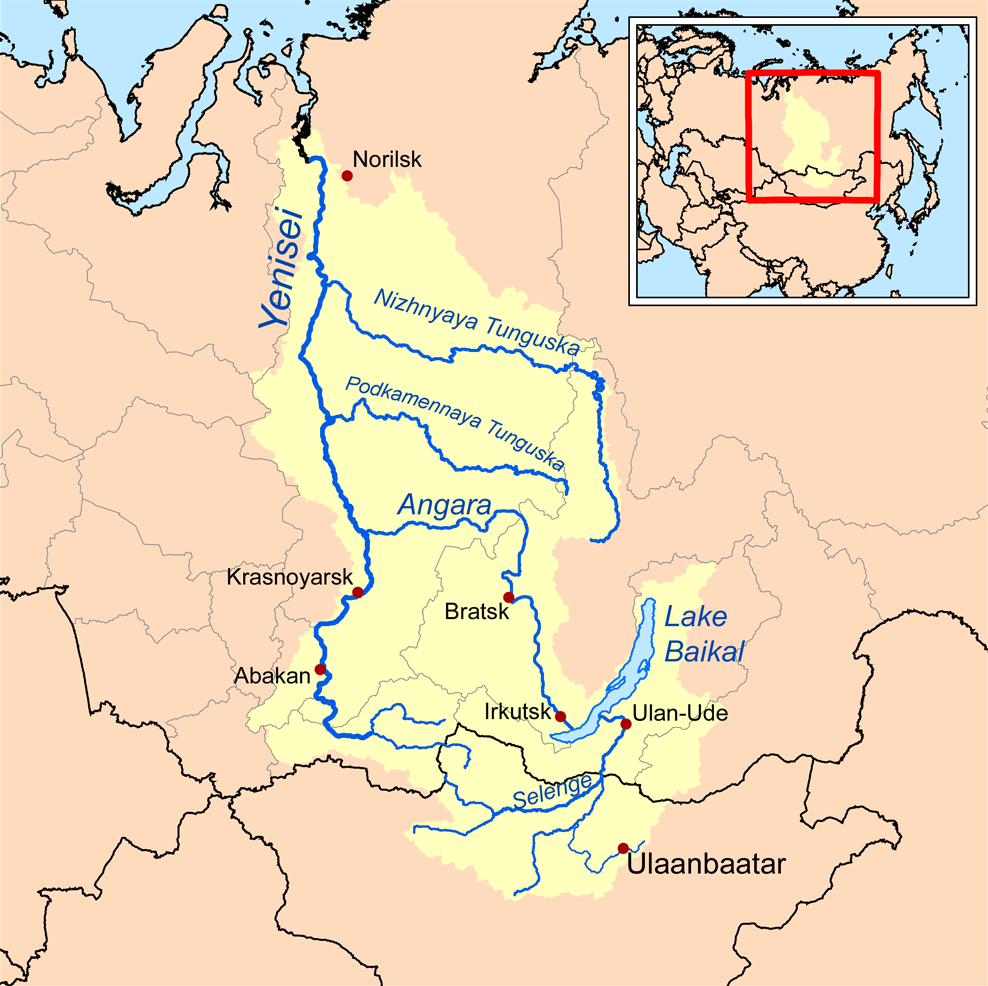
The Angara is the only river that drains Lake Baikal and flows north-west through Siberia to join the Yenisei. It is a major source of hydroelectric power and passes the city of Irkutsk.
The Angara is a prominent river in Siberia, Russia. It issues from Lake Baikal, the world’s deepest freshwater lake, and runs northwest to meet the Yenisei. The Angara is commonly cited at about 1,779 km (roughly 1,105 miles) in length and forms a vital corridor for transport, power generation and regional industry. A principal urban center on its banks is the city city of Irkutsk.
Image gallery
6 Images


Physical characteristics
The river drains Lake Baikal’s outflow and receives numerous tributaries along its course. Its flow is regulated by several large reservoirs and hydroelectric plants, which smooth seasonal variations in discharge but also alter natural habitats. The river valley includes rapids and broad floodplains, and in places is confined between rocky banks.
Hydropower and infrastructure
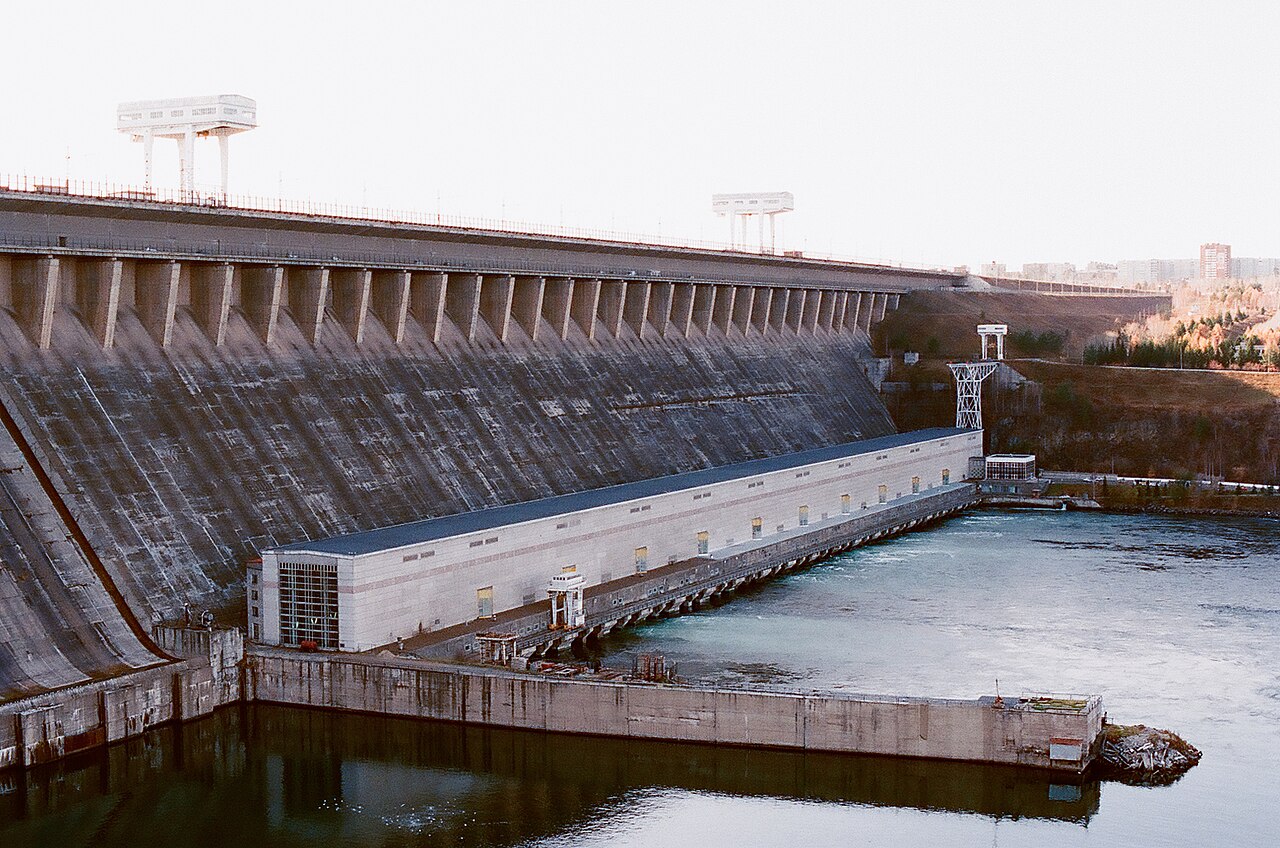
In the 20th century the Angara became a focus for large-scale hydropower development. Major dams and reservoirs built on the river support electricity production, irrigation and navigation. Notable stations on the Angara include Irkutsk, Bratsk, Ust‑Ilimsk and Boguchany, which together supply substantial power to Siberian industry and population centers.
History and human uses
Indigenous peoples used the Angara and its tributaries for fishing and transport long before Russian exploration reached the region in the 17th century. Since then the river has linked inland Siberia to broader trade networks. Today it remains important for freshwater fisheries, shipping on regulated stretches, recreation and as a hydroelectric resource.
Environmental and regional significance
- Unique role: the Angara is the only river that drains Lake Baikal.
- Economic importance: supports power generation, industry and communities such as Irkutsk.
- Environmental concerns: damming and reservoirs have changed flow regimes, affected fish migration and transformed shoreline ecosystems.
For further reading on Siberian rivers and the Angara’s role in regional development, consult specialized geographic and environmental sources. The river continues to shape the economy and ecology of eastern Russia.
Tags
Related articles
Author
AlegsaOnline.com Angara River: Outflow of Lake Baikal and Major Siberian Waterway Leandro Alegsa
URL: https://en.alegsaonline.com/art/4101