
Front-wheel drive (FWD): automotive drivetrain layout
Front-wheel drive places engine power to the front wheels. Common in small and family cars, it improves packaging and traction in poor weather but has handling and power limits.
Overview
Front-wheel drive (FWD) is a vehicle drivetrain configuration in which the engine’s power is transmitted to the front wheels. In most modern passenger cars the engine and transmission are installed at the front, driving the front axle directly. This arrangement contrasts with rear-wheel drive (RWD), where the rear wheels are driven, and all-wheel drive (AWD) systems that can deliver torque to all wheels.
Image gallery
10 Images


Components and layout
Typical FWD cars use a transaxle, a combined transmission and differential mounted at the front. Power is carried to the steered wheels through constant velocity (CV) joints and half-shafts that allow for suspension travel and steering movement. Engines can be mounted longitudinally or, more commonly in small cars, transversely (sideways) to reduce packaging length.
Advantages
- Packaging efficiency: Combining drivetrain components at the front frees interior space and permits shorter rear overhangs, increasing cabin and cargo room in compact cars.
- Cost and weight: Fewer components (no long driveshaft to the rear) make it lighter and less expensive to produce for many models.
- Traction in slippery conditions: With more weight over the driven wheels, FWD often provides better grip on wet or snowy roads, aiding everyday drivability.
Limitations and trade-offs
FWD also brings compromises. Because the front axle handles steering, propulsion and much of the braking load, high-power applications can suffer from torque steer (uneven steering pull under acceleration) and understeer (tendency to turn less than commanded). Front brakes and tires wear faster in heavy use, and very high-performance cars often favor RWD or AWD for better balance and handling.
History and use
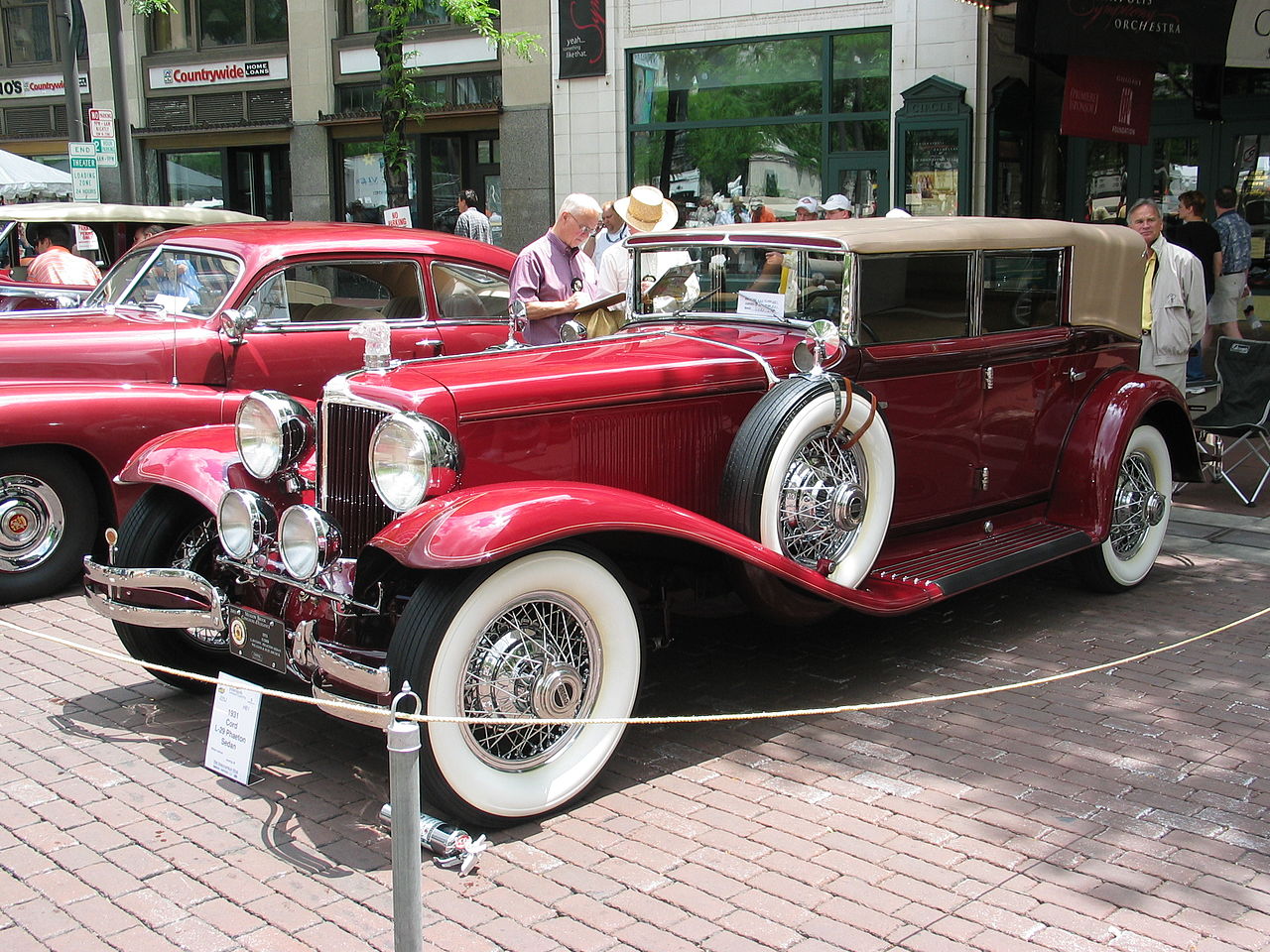
Front-wheel drive has early roots in the 20th century but became widely adopted after influential mass-produced models. Notable milestones include the 1930s Citroën Traction Avant, one of the first successful large-scale FWD designs, and later small cars that popularized the transverse-engine, front-drive layout. Today most compact and mid-size passenger cars worldwide use FWD for everyday models, while sports and luxury performance cars more often use RWD or AWD.
Notable facts
- Modern engineering—such as improved CV joints, electronic stability control and better braking systems—has reduced many traditional drawbacks of FWD.
- Automakers choose FWD for economic, packaging and safety considerations in mass-market vehicles.
Related articles
Author
AlegsaOnline.com Front-wheel drive (FWD): automotive drivetrain layout Leandro Alegsa
URL: https://en.alegsaonline.com/art/36825