
Gold Coast Historic District (Chicago)
Historic Gold Coast neighborhood on Chicago's Near North Side, known for late‑19th/early‑20th‑century mansions, affluent residences, and its listing on the National Register of Historic Places.
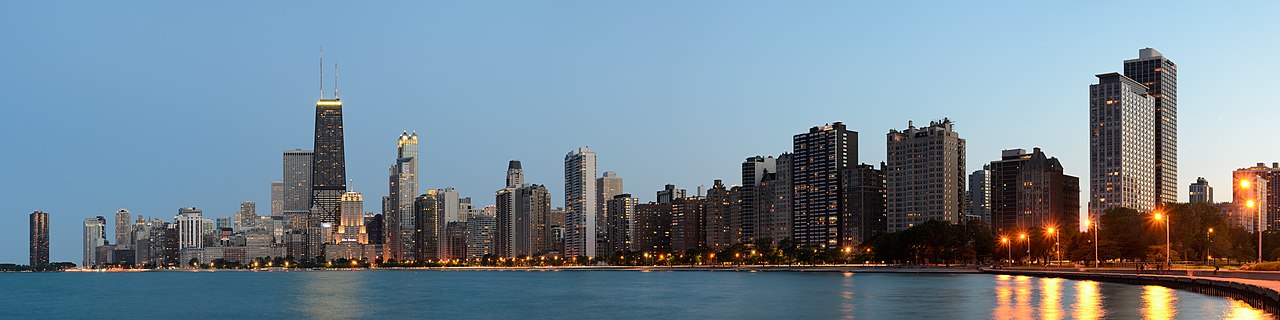
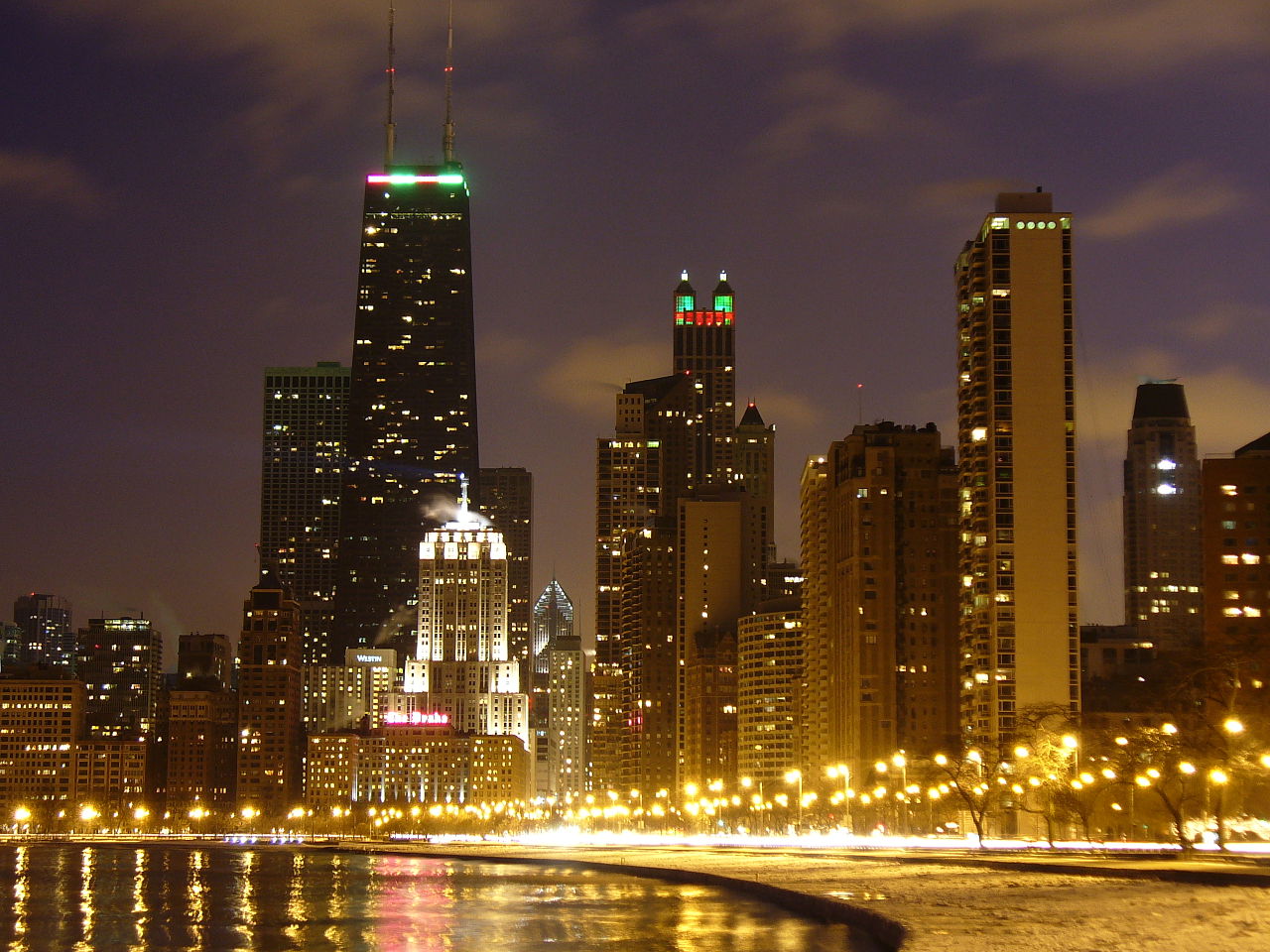
The Gold Coast Historic District is an affluent, architecturally rich neighborhood on the Near North Side of Chicago, Illinois. The district lies roughly between North Avenue, Lake Shore Drive, Oak Street and Clark Street and is immediately west of the lakefront. It is part of the city’s Near North Side community area and is notable for a high concentration of late 19th‑ and early 20th‑century townhouses, mansions and luxury apartment buildings.
Image gallery
10 Images




Origins and development
The neighborhood took shape after the Great Chicago Fire of 1871, when rebuilding and land reclamation opened new opportunities north of the central city. A pivotal moment came in the early 1880s when businessman Potter Palmer moved from Chicago’s south side and established a grand residence in the area. Palmer and other wealthy residents invested in filling low, swampy parcels along the lake and in laying out streets that would attract high‑end domestic architecture and private gardens. Their presence encouraged other industrialists, merchants and professionals to build houses and townhomes, creating the neighborhood’s distinctive upscale character.
Architectural character
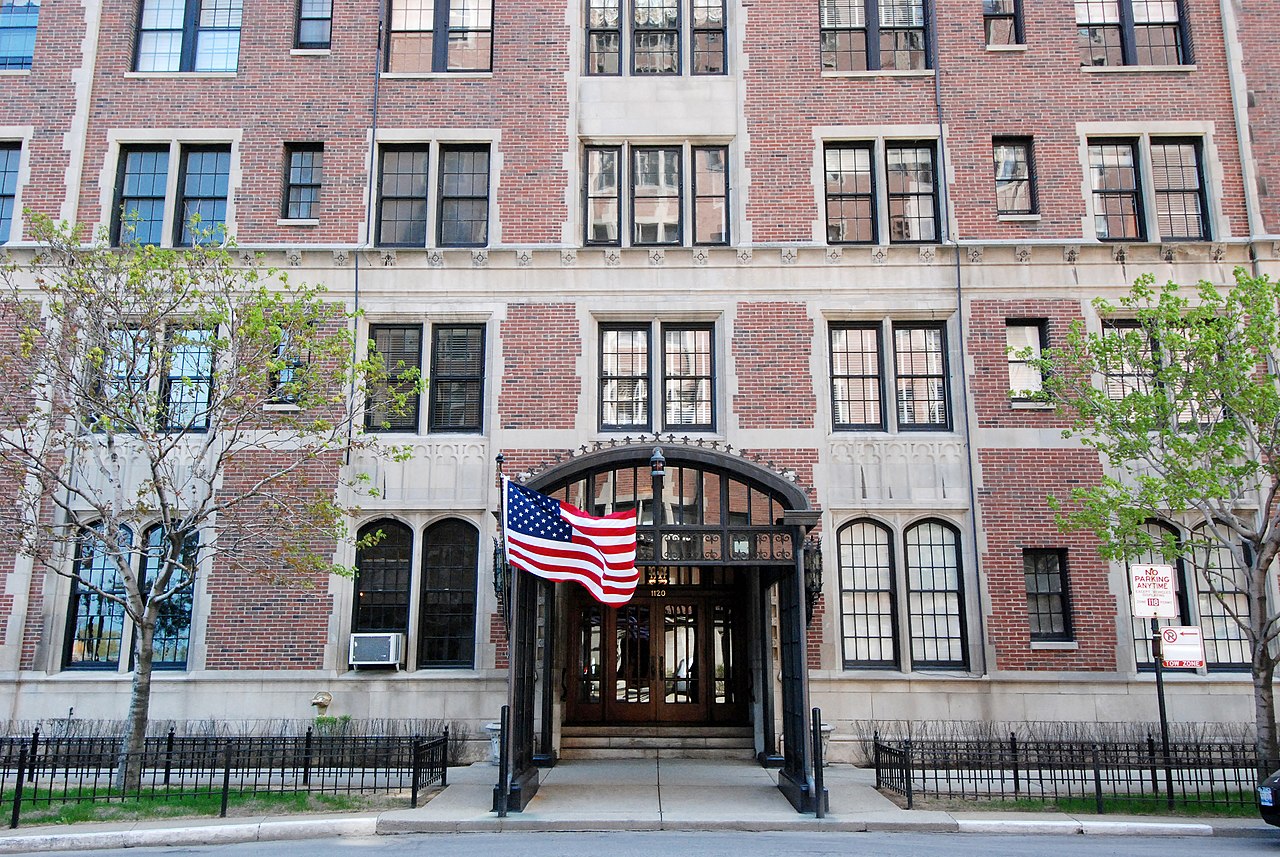
The Gold Coast Historic District is characterized by an eclectic mix of styles popular around the turn of the 20th century. Visitors will find Victorian and Queen Anne details, Romanesque and Classical Revival façades, Beaux‑Arts ornament, and later Georgian‑revival apartment blocks. Many buildings are faced in limestone or brick, with decorative cornices, bay windows, turrets, and occasional carriage houses or private courtyards. The variety reflects both individual architects’ tastes and the wealth of early residents.
Historic designation and preservation
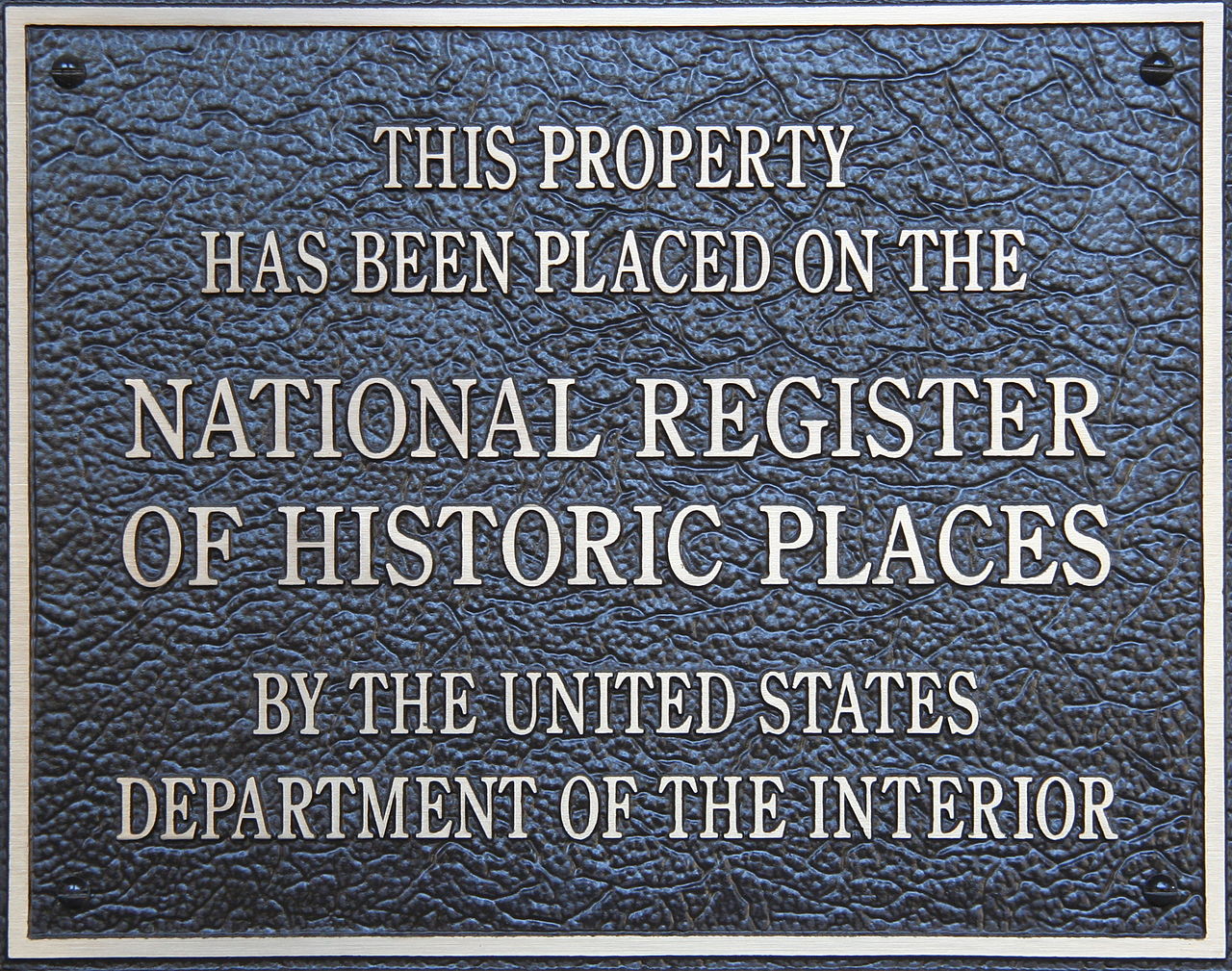
In recognition of its architectural and historic importance, the Gold Coast area was listed as a historic district on the National Register of Historic Places in 1978. That federal listing highlights the district’s concentration of preserved domestic architecture and contributes to local preservation awareness. Portions of the neighborhood are also subject to city conservation measures and local landmark protections that guide alterations and new construction.
Contemporary character and significance
Today the Gold Coast combines residential life with upscale retail and dining. Its proximity to the Magnificent Mile, boutique shopping on Oak Street, nightlife along Rush Street, and easy access to lakefront parks make it a sought‑after address. The area includes single‑family houses, converted mansions, luxury condos and high‑end apartment buildings. As an indicator of its affluence, the neighborhood ranked among the wealthiest urban neighborhoods in the United States in the early 2010s; for example, as of 2011 it was reported to be the 7th richest urban neighborhood by median household income.
Notable facts and distinctions
- The Gold Coast grew rapidly after the city’s great fire, as elites relocated northward and invested in new residential construction.
- Its blend of preserved mansions and later apartment houses illustrates changing urban living patterns for wealthy families from the 19th into the 20th century.
- The district’s lakeside setting and tree‑lined streets contribute to its historic and contemporary appeal for residents and visitors alike.
For further historical and architectural context, see local histories of the Near North Side and resources on Chicago’s post‑fire rebuilding and waterfront development.
Related articles
Author
AlegsaOnline.com Gold Coast Historic District (Chicago) Leandro Alegsa
URL: https://en.alegsaonline.com/art/39462
Sources
- nationalregisterofhistoricplaces.com : National Register of Historic Places in Cook County
- businessinsider.com : "The Richest Urban Neighborhoods In America"