
Wrexham Glyndŵr University
A public university in north-east Wales named for Owain Glyndŵr, with multiple campuses and a history dating to 1887. Offers vocational and academic courses across arts, sciences, technology and professional subjects.
Wrexham Glyndŵr University is a public higher education institution in north‑east Wales. It takes its name from the Welsh leader Owain Glyndŵr and provides a mix of vocational and academic programmes to a diverse student body. The university emphasizes applied learning, regional engagement and links with local industry, while supporting research in areas relevant to the community and economy. For official information see the institution's main site: Wrexham Glyndŵr University.
Image gallery
5 Images


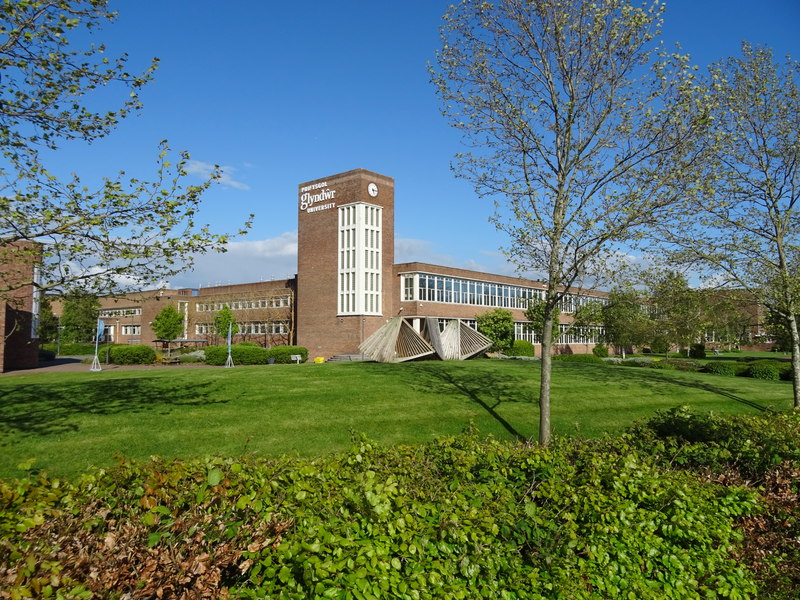

Campuses and facilities
The university maintains several campuses and centres to support teaching, research and professional training. Major locations include:
- Wrexham — the principal campus and administrative heart of the university, hosting a broad range of faculties and student services.
- St. Asaph — focused on specialist provision and outreach to local communities.
- Northop — home to technology and engineering provision, including practical workshops and labs.
- London — an extension campus that provides selected programmes and access for students in the capital: London campus information.
History and name
The institution traces its roots to the late 19th century, when the Wrexham School of Arts and Science was established in 1887. Over time it evolved through various forms to broaden its higher education provision. It was granted university status in the 21st century and adopted the name that honors Owain Glyndŵr, the 15th‑century Welsh noble and symbol of Welsh national identity — see more about him: Owain Glyndŵr. Its location in Wales shapes much of its civic and cultural mission.
Academic profile and students
Wrexham Glyndŵr offers undergraduate and postgraduate degrees across subjects such as business, health and social care, education, arts, computing and engineering. The university typically supports over 9,000 students, including full‑time, part‑time and distance learners. Teaching stresses employability, practical skills and partnership with employers to prepare graduates for regional and national labour markets.
Research, partnerships and community role
While primarily teaching‑focused, the university undertakes applied research and consultancy that address local needs—ranging from technological innovation to community health initiatives. It engages with schools, colleges, public agencies and businesses to provide training, apprenticeships and lifelong learning. These partnerships help align curriculum and research with economic development and social priorities.
Notable aspects
Key distinguishing features include its regional orientation in north‑east Wales, practical and vocational emphasis, and multi‑campus footprint that extends into London. The institution combines a long local history with a modern university structure aimed at widening access to higher education and supporting local prosperity. For more details on courses, campuses and admissions consult the university pages: Admissions and courses or specific campus guides such as the London centre.
Questions and answers
Q: What is Wrexham Glyndŵr University?
A: Wrexham Glyndŵr University is a university in Wales.
Q: Who is the university named after?
A: The university is named after a Welsh national hero, Owain Glyndŵr.
Q: When did the university open?
A: The university opened in 2008.
Q: What was the name of the institution before it became a university?
A: Before becoming a university, it had been the Wrexham School of Arts and Science which opened in 1887.
Q: How many students does Wrexham Glyndŵr University have?
A: Wrexham Glyndŵr University has over 9000 students.
Q: Besides the Wrexham campus, where else does the university have campuses?
A: Besides the Wrexham campus, the university also has campuses at St. Asaph, Northop, and London.
Q: What is the significance of the university's namesake, Owain Glyndŵr?
A: Owain Glyndŵr is a Welsh national hero who led a rebellion in the early 15th century against English rule in Wales.
Related articles
Author
AlegsaOnline.com Wrexham Glyndŵr University Leandro Alegsa
URL: https://en.alegsaonline.com/art/39296
Sources
- glyndwr.ac.uk : "Glyndŵr University - Who we are"