
Giulio Cesare (Handel) — opera in three acts
Giulio Cesare in Egitto is George Frideric Handel's Italian opera in three acts (1724). Noted for its vivid characters, arias, and Baroque orchestration, it regained popularity after 20th‑century revivals.
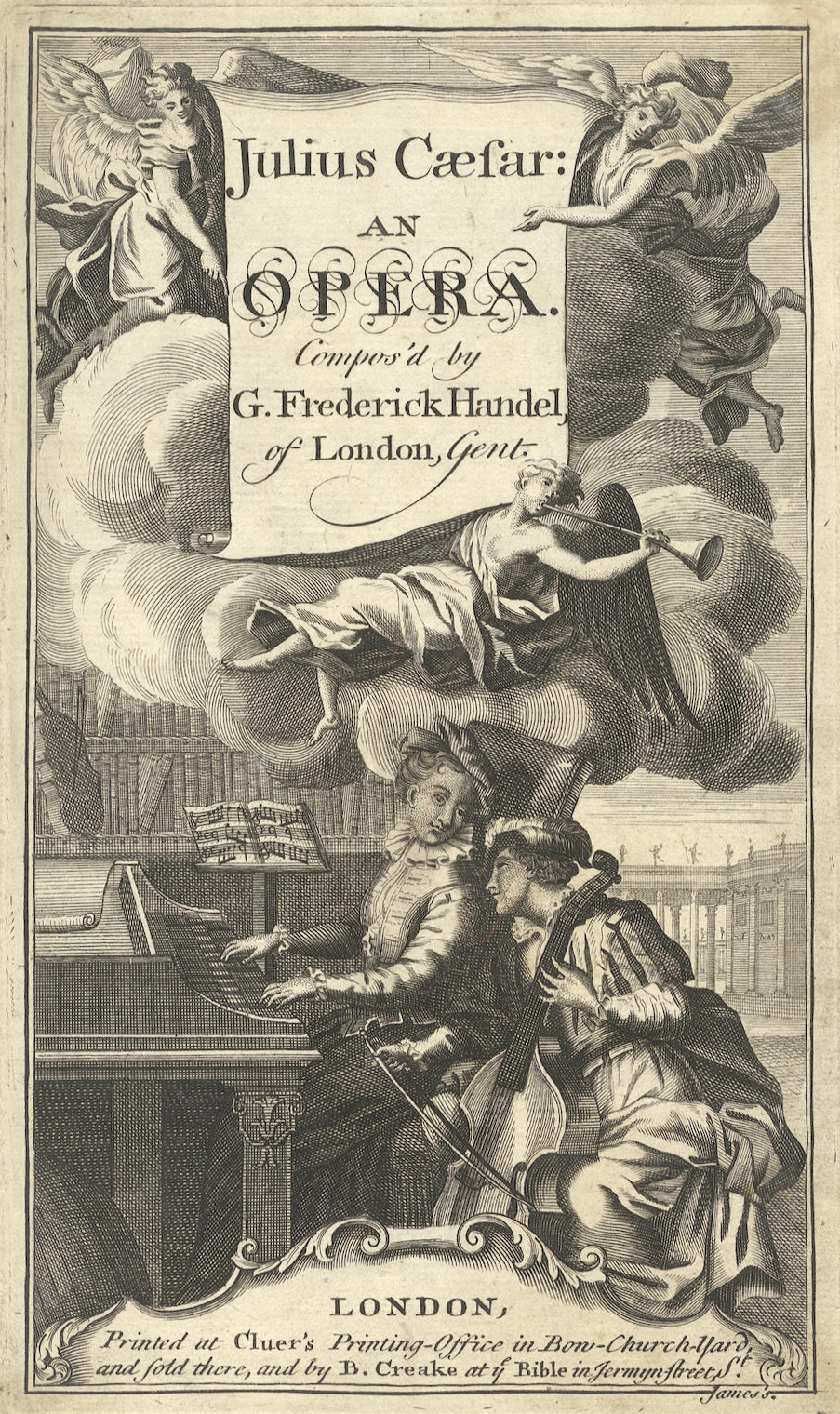
Giulio Cesare in Egitto (Julius Caesar in Egypt) is an Italian-language opera in three acts composed by George Frideric Handel. Written for the early-18th-century London operatic scene, the work combines historical drama, courtly intrigue and expressive arias to explore the political and romantic entanglements surrounding Julius Caesar's presence in Egypt. The piece is an important example of opera seria and remains one of Handel's most frequently staged stage works.
Image gallery
10 Images



Form, music and dramatic content
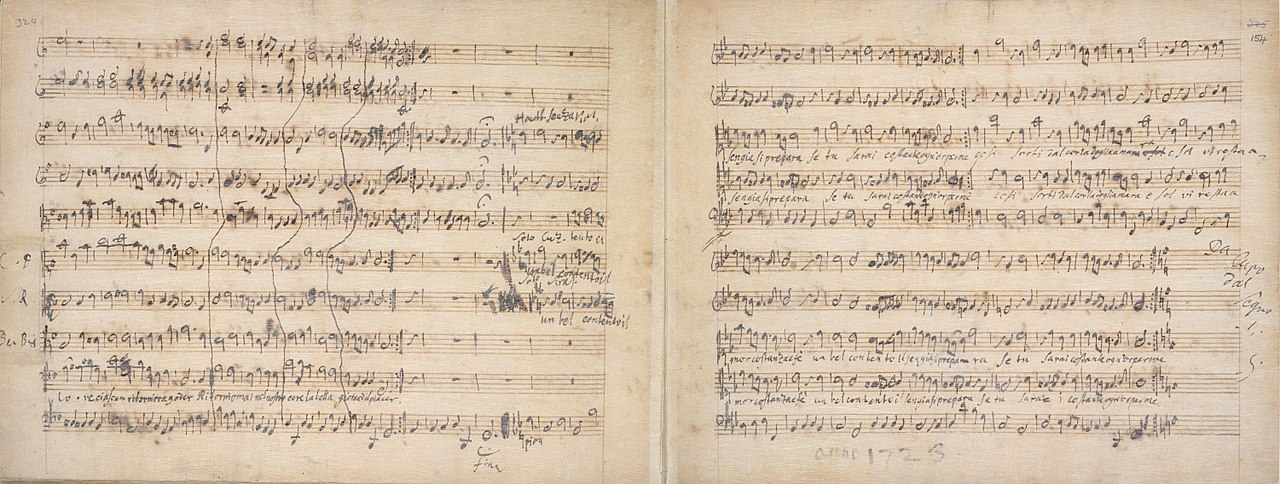
The opera follows many conventions of opera seria: recitative advances the plot while da capo arias allow characters to display emotion and vocal agility. Handel's score features a variety of instrumental colors and obbligato passages that highlight solo voices. The drama balances public events (political negotiation, battles for power) with private emotion (love, jealousy, revenge), giving lead singers contrasting material that ranges from lyrical tenderness to virtuosic bravura.
Principal characters and roles
- Giulio Cesare — Roman leader and central figure
- Cleopatra — Queen of Egypt, a seductive and complex heroine
- Sesto — a youthful supporter involved in revenge plots
- Cornelia — mourning widow and moral counterpoint
- Other court figures — rival generals and royal attendants
Origins and libretto
The Italian libretto was prepared by Nicola Francesco Haym, based on an earlier text by Giacomo Francesco Bussani and adapted to suit London tastes and the singers then available. Handel composed the music for the Royal Academy of Music, an organization established to produce Italian opera in London and to employ leading singers and instrumentalists of the day. The partnership between composer, librettist and company resulted in a work tailored to virtuoso voices and dramatic contrast.
Performance history and revival
Giulio Cesare premiered in London in 1724, where it enjoyed immediate popularity and was revived several times during Handel's lifetime. After falling out of the standard repertoire in the 19th century, the opera was rediscovered during the early 20th-century revival of interest in Baroque music and historically informed performance practice. Since that revival it has been staged and recorded widely, becoming a touchstone for singers and ensembles exploring Handelian drama.
Notable aspects and legacy
The opera is often singled out for its richly drawn title characters and memorable arias that allow performers to combine theatrical nuance with technical display. Musicologists and directors praise its blend of expressive recitative, varied orchestration and dramatic pacing. Giulio Cesare has influenced modern perceptions of Handel as a dramatic as well as a liturgical composer and continues to appear in opera houses and festivals internationally.
Further reading and resources: see general information on opera, the composer George Frideric Handel, the libretto, the Royal Academy of Music for which the work was written, details of the premiere and its London reception in London, contemporary reports of its success, and later performances in France and Germany.
Related articles
Author
AlegsaOnline.com Giulio Cesare (Handel) — opera in three acts Leandro Alegsa
URL: https://en.alegsaonline.com/art/39015