
Royal Academy of Music (London)
A leading London conservatoire founded in 1822, offering performance, composition and research programmes, with a notable library and instrument collection and historical links to earlier 18th‑century opera.
Overview
The Royal Academy of Music is a major conservatoire in central London that provides professional training in performance, composition, conducting and related musical disciplines. Founded in the early nineteenth century, it combines practical tuition, regular public performances and academic study to prepare students for careers in music. The institution traces an older name back to an early-18th-century opera enterprise in London that involved figures such as George Frideric Handel and the operatic activity of the 1719 season (1719), but the present conservatoire was established later as a distinct educational foundation (1822), with royal backing and an enduring civic role in the capital (London).
Image gallery
4 Images


History
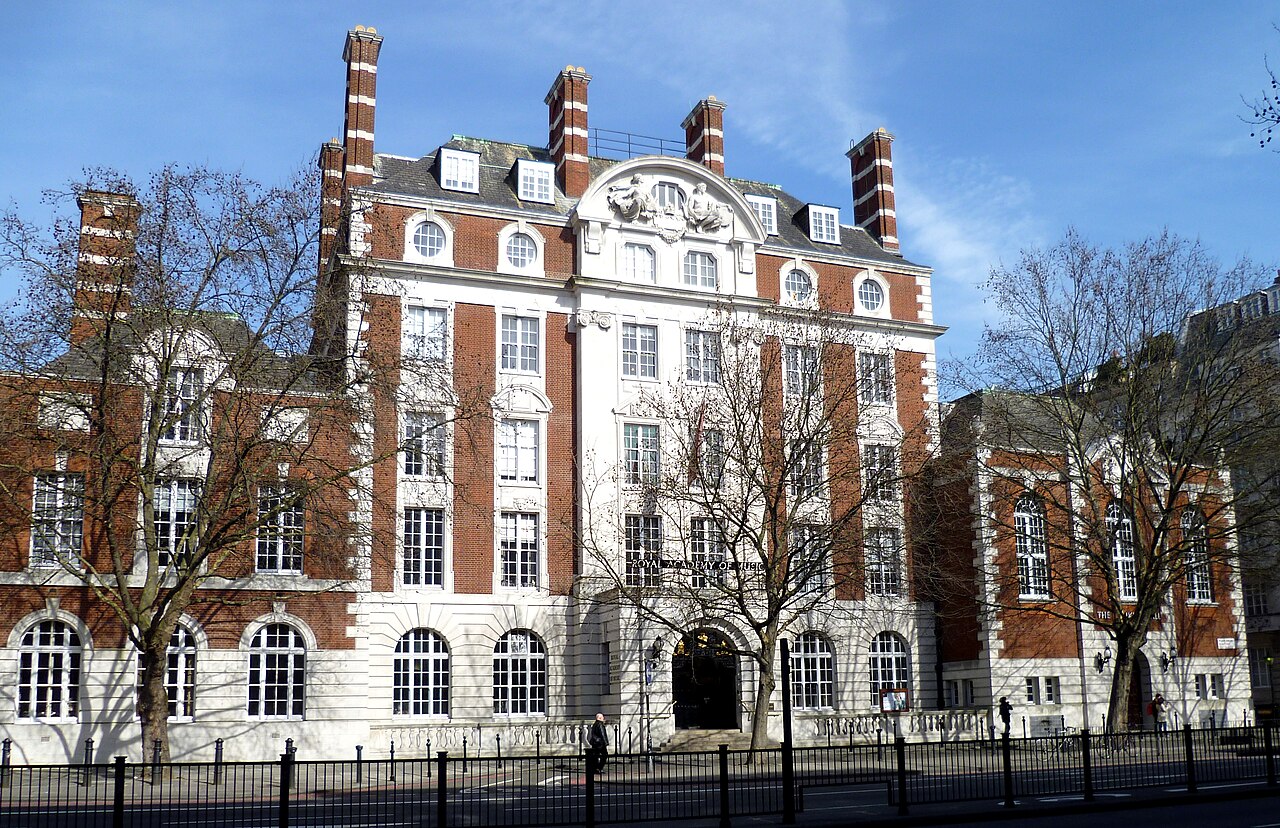
The modern Royal Academy of Music was formally created in 1822 and opened its doors the following year under royal patronage. King George IV was an early supporter and the institution received a Royal Charter within a decade, a legal milestone that helped define its public status. The Academy experienced protracted financial uncertainty during much of the nineteenth century until a system of governmental support was secured in the later 1800s, improving its prospects and enabling expansion. For a period the school occupied premises in Hanover Square before relocating in the early twentieth century to Marylebone Road close to Regent's Park, where it has remained and grown through a sequence of building developments and modernisations.
Buildings, performance spaces and collections
The Academy's principal site includes dedicated teaching rooms, practice facilities, rehearsal spaces and public venues. Important performance spaces include the compact and versatile Duke's Hall and a small theatre used for opera and staged work, often named in modern sources for significant benefactors. The institution also cares for a specialist collection of historic and modern musical instruments and maintains a research and lending library that supports performance and academic study. Significant bequests and named collections form part of this resource, and among the personal libraries and musical archives preserved are holdings once associated with prominent conductors and musicians such as Sir Henry Wood and Otto Klemperer. In the late 1990s an award from the National Lottery enabled the development of improved accommodation for the instrument collection and public display.
Teaching, programmes and partnerships
Training at the Academy emphasises one-to-one tuition, ensemble experience and frequent public performance. Programmes span undergraduate and postgraduate degrees, artist diplomas and short courses; specialist pathways cover performance, composition, conducting and pedagogical training. The conservatoire offers language and preparatory support for international entrants, including an "English for Musicians" course to aid study in an English-language environment. The Academy works with partner universities and validating institutions to provide combined academic and conservatoire awards, and collaborative arrangements allow students to follow extended performance degrees and research programmes (study music).
Students, careers and outreach
The student body is international in composition, with entrants from many countries and a wide range of backgrounds. The Academy admits several hundred students across its programmes and provides a dense schedule of solo, chamber and orchestral opportunities; many students also gain experience through touring ensembles and outreach activity. Graduate destinations typically include careers as soloists, orchestral players, chamber musicians, conductors, composers and teachers, and the institution reports a high rate of employment in music among its alumni. Outreach and community engagement form part of the Academy's public mission, bringing performances and workshops to schools, local communities and cultural partners.
Distinctive features and associations
Distinctive aspects of the Royal Academy of Music include its long-standing role as a professional training school, the combination of conservatoire teaching with a substantial research library and instrument collection, and its historical links to earlier episodes of London's musical life. The Academy has benefited from benefactors and public support across successive generations, including nineteenth-century patronage and twentieth-century capital awards. It maintains active international recruitment and an academic staff drawn from professional performers and scholars.
- Early name and association with 18th‑century opera and Handel: 1719.
- Foundation of the modern conservatoire: 1822.
- Royal recognition and nineteenth‑century support: Royal Charter and later public grants (political support).
- Nineteenth‑century location: Hanover Square; twentieth‑century move to 1912 premises on Marylebone Road near Regent's Park.
- Library, instrument collection and named bequests: institutional resources and special collections (library).
Leadership and administration in recent decades have emphasised combining traditional core training with contemporary performance practice, international collaboration and public engagement. The Academy's continuing partnerships with other educational institutions and cultural organisations sustain its role in the musical life of the capital and beyond. For current operational details, course information and access to collections consult the Academy's official publications and public guides.
Questions and answers
Q: What institution was founded in London in 1719?
A: The institution founded in London in 1719 for putting on performances of operas is George Frideric Handel.
Q: What is the Royal Academy of Music?
A: The Royal Academy of Music is a conservatory located in London where young people can study music.
Q: Who was the patron of the conservatory when it was first founded?
A: King George IV was the patron of the conservatory when it was first founded.
Q: When did the Royal Academy of Music receive its Royal Charter?
A: The Royal Academy of Music received its Royal Charter in 1830.
Q: Where did the academy move to in 1912?
A: In 1912, the academy moved to Marylebone Road near Regent's Park.
Q: How many students attend the academy today?
A: There are over 600 students at the academy today.
Q: What opportunities do students have to perform during their time at the academy?
A: Students have many opportunities to perform both within and outside of the academy, including concerts and operas performed at places like Duke’s Hall and Sir Jack Lyons Theatre.
Related articles
Author
AlegsaOnline.com Royal Academy of Music (London) Leandro Alegsa
URL: https://en.alegsaonline.com/art/84421