
God Bless America (song)
A patriotic American song written by Irving Berlin, revised in 1938 and popularized by Kate Smith; often performed at public events and recorded by many artists.
Overview
God Bless America is a well-known American patriotic song originally penned during World War I era and later revised into the form familiar today. Its refrain expresses a brief, devotional blessing for the United States and it has been widely used in civic and popular settings.
Image gallery
2 Images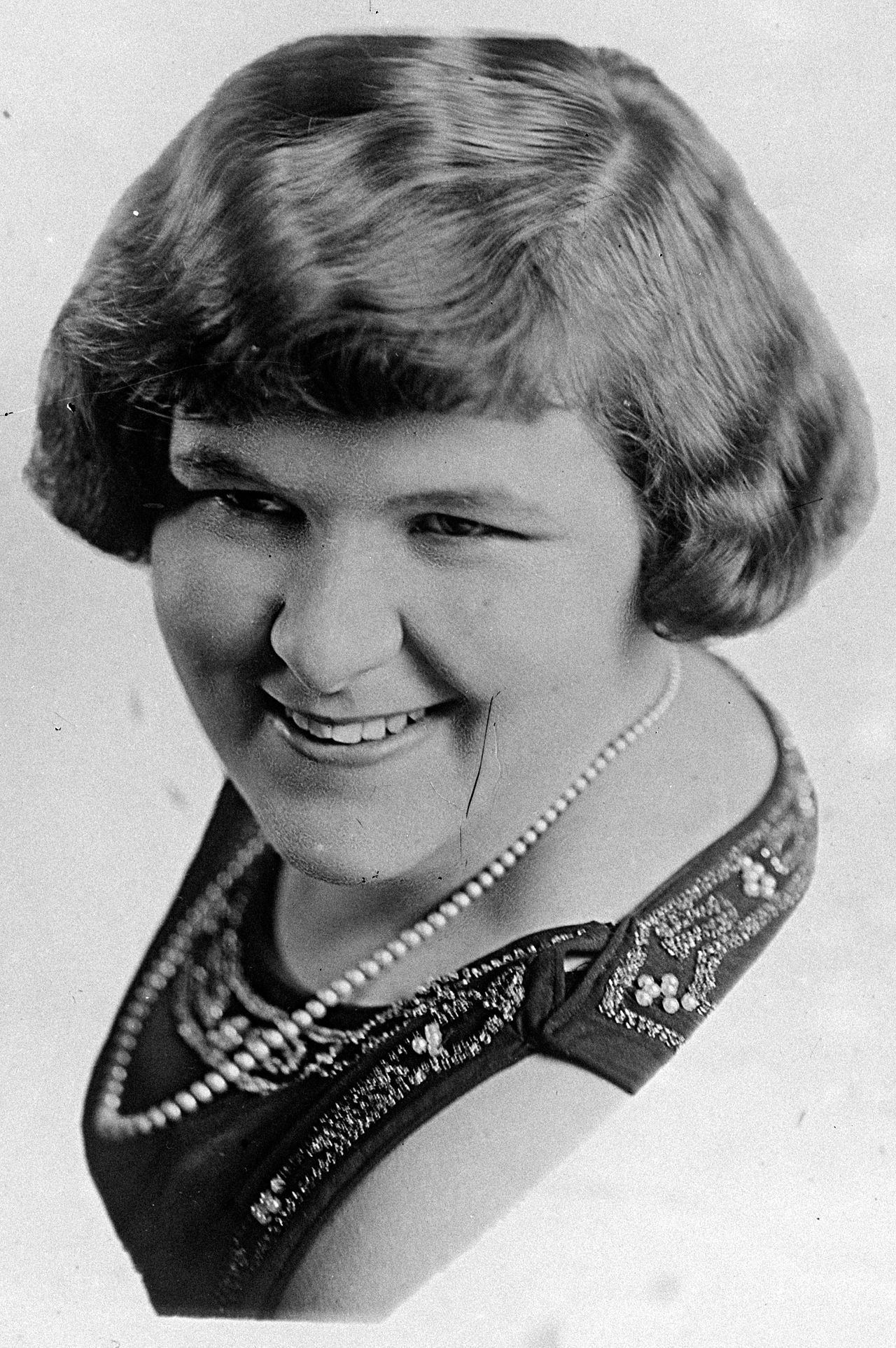

Composition and lyrics
The song was composed by Irving Berlin, who first wrote an early draft in 1918 and substantially reworked the piece twenty years later. The modern version begins with the recognizable line asking that God bless the nation, and its melody and phrasing are simple, direct, and intended for broad public singing rather than theatrical performance.
History and development
Berlin revised the song in the late 1930s and presented it to the public during a period of international tension. The renewed version gained prominence in 1938, when Kate Smith performed it on radio broadcasts; that association soon made it her signature song. Berlin's decision to revive the piece is often linked to contemporary concerns about rising totalitarianism in Europe, including the threat posed by leaders such as Adolf Hitler.
Uses and cultural role
Over decades the song has taken on the role of an unofficial patriotic anthem at many public gatherings. It is commonly heard during major sporting events, including appearances at Major League Baseball games, and at civic ceremonies. Its straightforward message and modest musical demands make it suitable for mass singing and broadcast performance.
Recordings and notable versions
Beyond Kate Smith, the song has been recorded and performed by many artists in a variety of styles. Contemporary singers such as Céline Dion and LeAnn Rimes have produced high-profile versions, and the tune appears on compilation albums, tribute records, and in live concert programs.
Reception and notable facts
While cherished by many as a patriotic staple, the song has also been part of debates over nationalism, public display of patriotic music, and how historical associations influence modern performance. Nevertheless, its longevity and frequent use at public events have secured it a prominent place in American popular culture.
Related articles
Author
AlegsaOnline.com God Bless America (song) Leandro Alegsa
URL: https://en.alegsaonline.com/art/39372
Sources
- loc.gov : "God Bless America"
- flyershistory.com : "Kate Smith"
- wikidata.org : wikidata.org/wiki/Q1533599
- musicbrainz.org : 925af158-e4b4-3b95-8c0e-5f0f791478c6