
Ancient Greek sculpture: development, styles and enduring influence
An overview of ancient Greek sculpture covering materials, major periods, purposes, notable works and its influence on later art and conservation.
Overview
Ancient Greek sculpture refers to three main eras of stone and metal carving produced in the Greek world from the early first millennium BCE through the Hellenistic age. Celebrated for its study of the human figure, it combined technical skill with ideals of proportion, balance and movement, and it played a central role in religion, public life and commemoration.
Image gallery
10 Images




Materials, techniques and characteristics
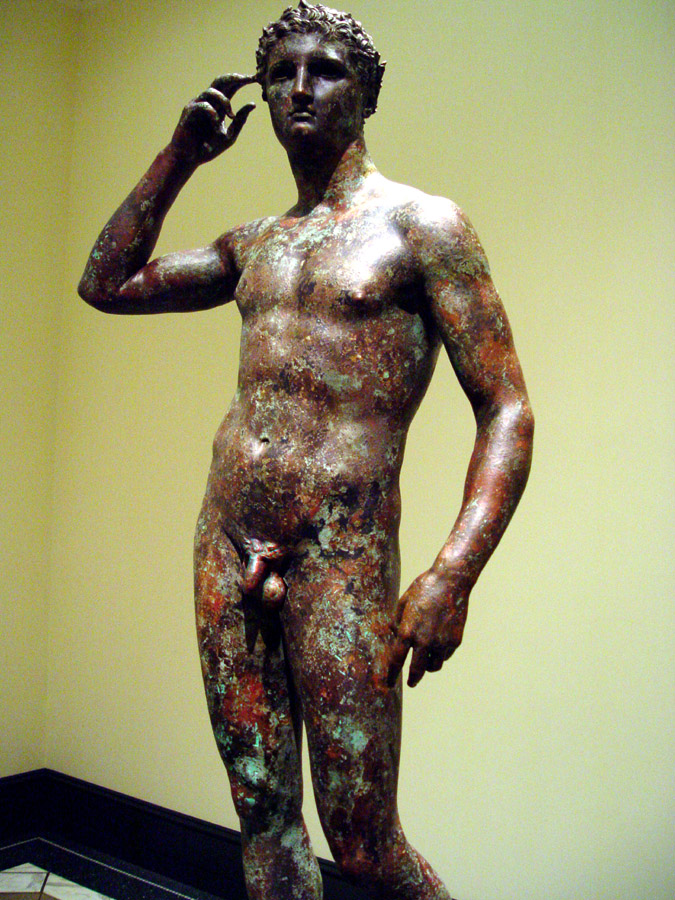
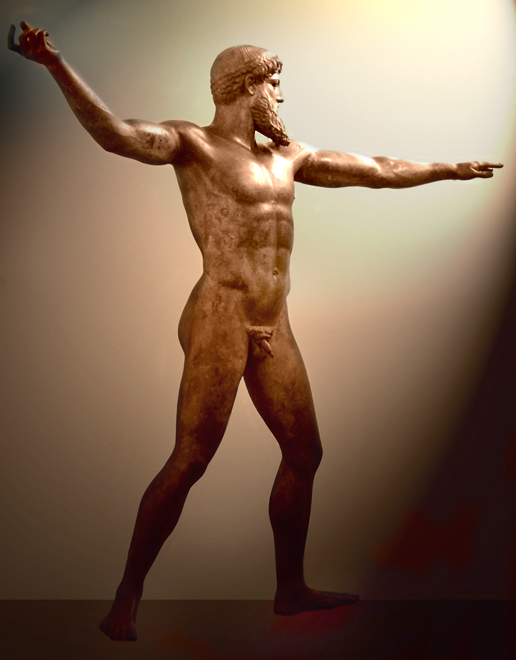
Sculptors worked in marble, limestone, terracotta and bronze. Key technical achievements included the lost-wax method for bronze and refinements of stone carving that allowed more natural anatomy and drapery. Stylistic hallmarks range from the frontality and stylized features of early figures to the contrapposto stance and realistic musculature of later masters.
- Archaic period: stylized kouroi and korai, formal patterns.
- Classical period: balanced poses, idealized proportion, refined realism.
- Hellenistic period: expressive movement, emotional realism, varied subjects.
These phases represent changing tastes and technical advances rather than strict breaks.
Functions and famous examples
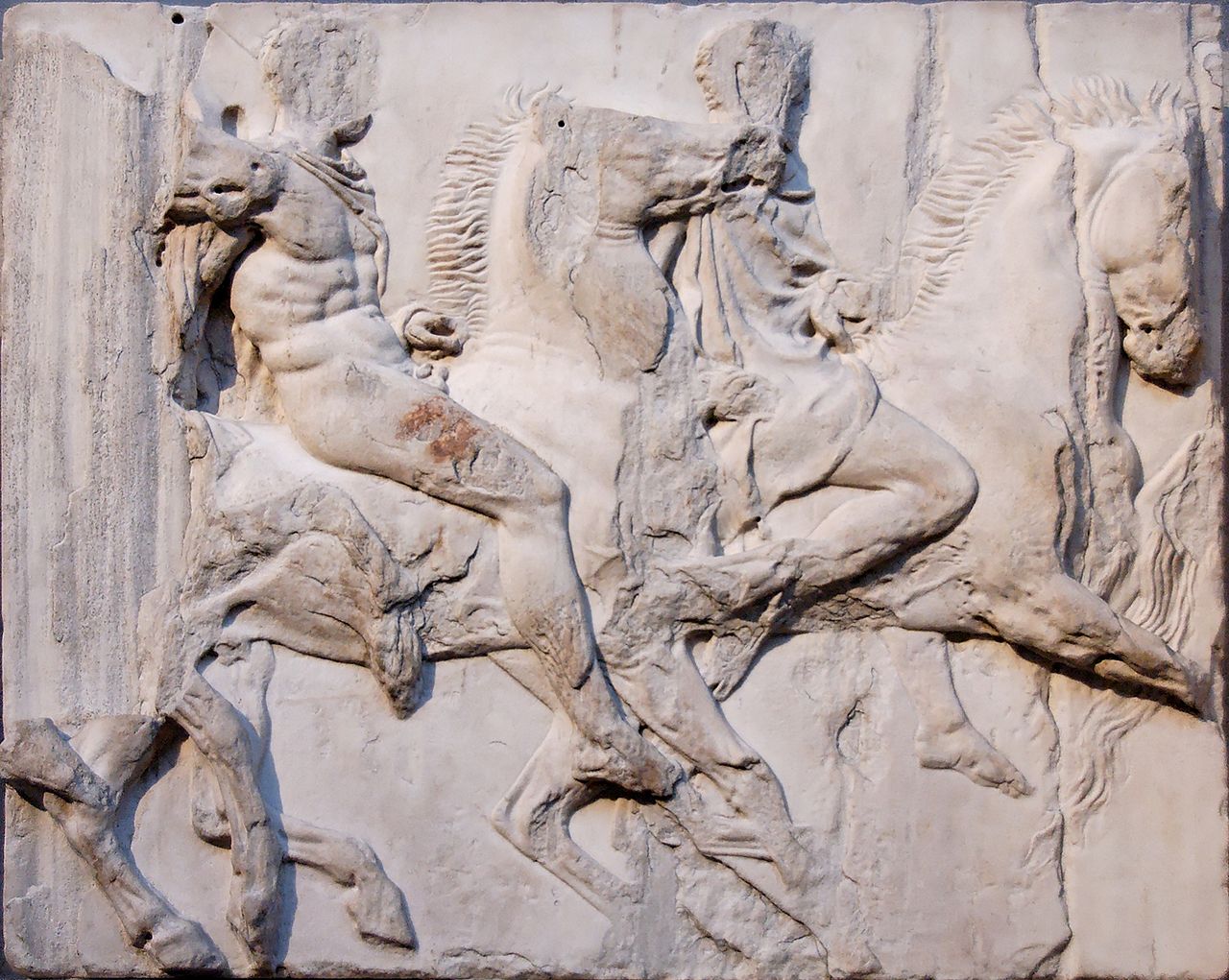
Sculpture served religious cults (temple statues and votives), funerary markers, public monuments and political propaganda. Many iconic works are known by Roman copies or later descriptions: the Parthenon sculptures, the Riace bronzes, and celebrated statues attributed to artists such as Polykleitos and Praxiteles are representative examples.
Legacy and modern study
Greek sculptural principles shaped Roman art and were a central source for Renaissance and neoclassical revival. Modern scholarship addresses attribution, techniques, polychromy (original paint traces), and conservation challenges after centuries of weathering, fragmentation and past restorations.
Further reading and resources: general overview, chronology and periods, techniques and materials, major monuments and case studies.
Related articles
Author
AlegsaOnline.com Ancient Greek sculpture: development, styles and enduring influence Leandro Alegsa
URL: https://en.alegsaonline.com/art/3845