
Andrew Wyeth
Andrew Wyeth (1917–2009) was a leading American realist painter known for sparse, atmospheric works in tempera and watercolor depicting rural life in Pennsylvania and Maine.
Andrew Wyeth was an American painter widely recognized for a restrained, observational form of realism that dominated much of mid-20th-century American art. Born July 12, 1917, and dying January 16, 2009, he worked mainly in tempera and watercolor, producing scenes of quiet interiors, weathered landscapes, and intimate portraits that emphasize mood, texture, and light. He remains one of the most familiar figures in U.S. art of his era.
Image gallery
7 Images

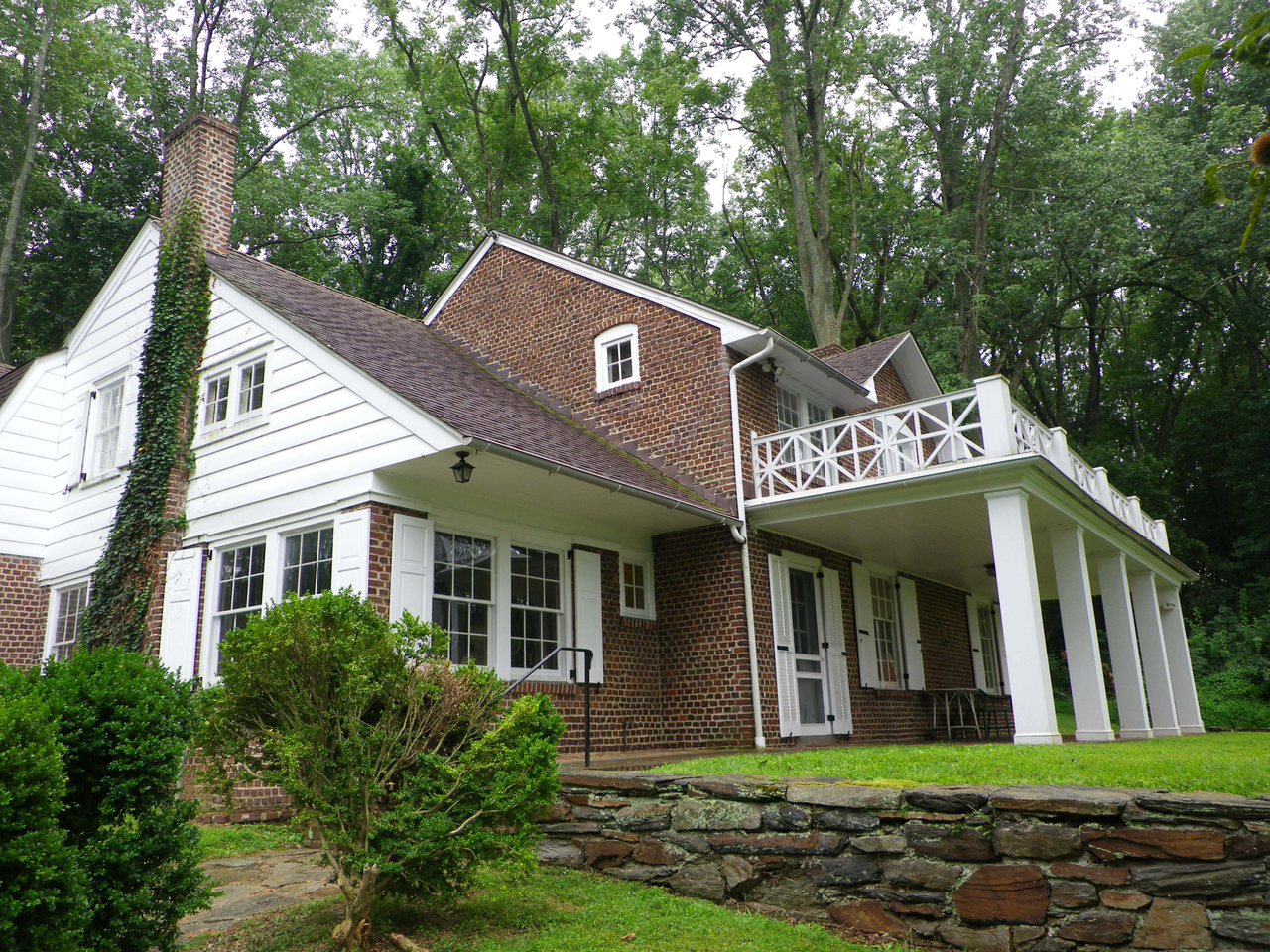


Life and background
Wyeth grew up in an artistic household and spent most of his life close to two distinct regions: the Brandywine Valley around Chadds Ford and the coastal villages of Maine. He was the youngest child of the illustrator N.C. Wyeth and was part of a family of creative siblings; his sisters were painters and his brother, an inventor, is often associated by name with the family Wyeth legacy. In 1940 he married Betsy, who frequently modeled for his work. His upbringing in a studio environment shaped his technical approach and fostered a lifelong focus on observation over abstraction.
Artistic approach and techniques
Wyeth is commonly described as a realist and a regional artist whose subjects drew from immediate surroundings rather than the cosmopolitan avant-garde. He is also often referred to as a visual artist who paid meticulous attention to materials. He used:
- Egg tempera — layering thin, precise strokes to build form and subtle tonal shifts.
- Watercolor — for more spontaneous, translucent passages and studies.
- A muted palette and careful handling of light to convey stillness and narrative suggestion.
Wyeth’s compositions often isolate a single figure or element against an open landscape or the interior of an aging house, inviting viewers to imagine a story rather than presenting a literal narrative.
Major works and projects
Among his best-known images is Christina's World, a scene of a woman on a hillside that exemplifies his sparse but resonant visual language. Other notable works include studies of windswept coastal interiors and the extended private portrait series known as the Helga paintings, a body of work produced over many years that later prompted public exhibitions and discussion. His subjects included neighbors, family members, and local landscapes in both Pennsylvania and Maine.
Reception, significance, and distinctions
Wyeth achieved broad popular recognition and significant museum presence during his lifetime. Critics and the public often differed: some praised his technical mastery and emotional depth, while others viewed his adherence to realism as conservative during a century of modernist experimentation. Regardless, his influence on American representational painting and his ability to capture the quietly uncanny aspects of everyday life remain widely acknowledged. Wyeth’s career illustrates the continuing appeal of careful observation and the many ways landscape and portraiture can carry meaning beyond immediate appearance.
For further information about his life, family, and works, researchers and interested readers can consult museum collections and monographs that document his long career and the cultural debates it inspired.
Related articles
Author
AlegsaOnline.com Andrew Wyeth Leandro Alegsa
URL: https://en.alegsaonline.com/art/4021
Sources
- inogolo.com : "Andrew Wyeth"