
George Jonas: Hungarian‑born Canadian writer and journalist
George Jonas (1935–2016) was a Hungarian-born Canadian journalist, poet and author of 16 books, best known for Vengeance, an account of a post‑Munich operation later adapted into the film Munich.
Overview
George Jonas (June 15, 1935 – January 10, 2016) was a Hungarian‑born Canadian writer, poet and journalist who published sixteen books across fiction, non‑fiction and poetry. Born into a Jewish family in Budapest, he is most widely known for the book Vengeance (1984), which recounts an Israeli response to the 1972 Munich massacre and later inspired the film Munich. Jonas was made a member of the Order of Canada; his work combined reportage, memoir and literary storytelling.
Image gallery
1 Image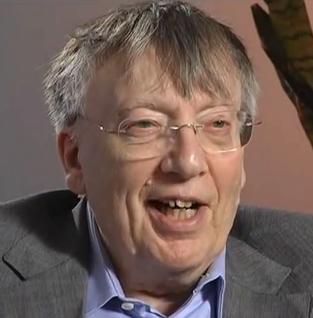
Early life and emigration
Jonas grew up in Budapest and left Hungary in the tumultuous years that followed the 1956 uprising, joining thousands of refugees who resettled in North America. His experience as an immigrant shaped his interest in political history, human rights and contemporary conflicts. Several profiles and biographical summaries discuss his Budapest origins and later Canadian identity; for a general overview see biographical reference.
Career and major works
Over a career that blended magazine journalism, column writing and books, Jonas addressed subjects from politics and espionage to culture and family life. His output includes reportage, essay collections and novels. Selected titles are listed below; more complete bibliographies and archival material are summarized at external sources: works and bibliography.
- Vengeance (1984) — an account of a covert operation attributed to Israeli agents.
- Collections of essays and poetry reflecting politics and personal history.
- Books of reportage and narrative non‑fiction across several decades.
Vengeance, adaptation and reception
Vengeance became Jonas's best known book when elements of it were adapted into the 2005 film Munich, directed by a major filmmaker and starring a lead actor from international cinema; see film details at adaptation source and commentary at critical notes. The book and its account prompted debate about sourcing and the boundary between oral testimony and narrative reconstruction; some reviewers treated it as investigative narrative, while others queried particular details.
Style, influence and distinctions
Jonas combined journalistic economy with literary devices; reviewers often noted his attention to moral ambiguity and the human dimension of political events. He received national recognition in Canada—listed among recipients of civic honours and chronicled in national literary references—see honours listing and media profile for further reading.
Death and legacy
George Jonas died on January 10, 2016, after a period of illness attributed to Parkinson’s disease; obituaries and remembrances discuss his role in Canadian letters and public conversation. For summaries of his life and contemporary remembrances consult obituary and tribute and an archival overview at archival source.
Related articles
Author
AlegsaOnline.com George Jonas: Hungarian‑born Canadian writer and journalist Leandro Alegsa
URL: https://en.alegsaonline.com/art/38241
Sources
- news.nationalpost.com : "'Clever, unafraid and compelling': Journalist, novelist, poet George Jonas dead at 80"