
Budapest: Hungary’s Capital and River City
Overview of Budapest—its formation from Buda, Pest and Óbuda, geography on the Danube, main landmarks, history, cultural life, transport and notable distinctions including thermal baths and UNESCO sites.
Budapest is the capital and largest city of Hungary and its principal political, cultural and economic center. The modern city was created in 1873 through the union of three riverside towns: Buda, Óbuda (Old Buda) and Pest. Today it is home to roughly 1.7 million residents and stretches along both banks of the River Danube, which divides the hillier Buda side from the flatter plain of Pest. For more general information about the country see Hungary.
Image gallery
7 Images


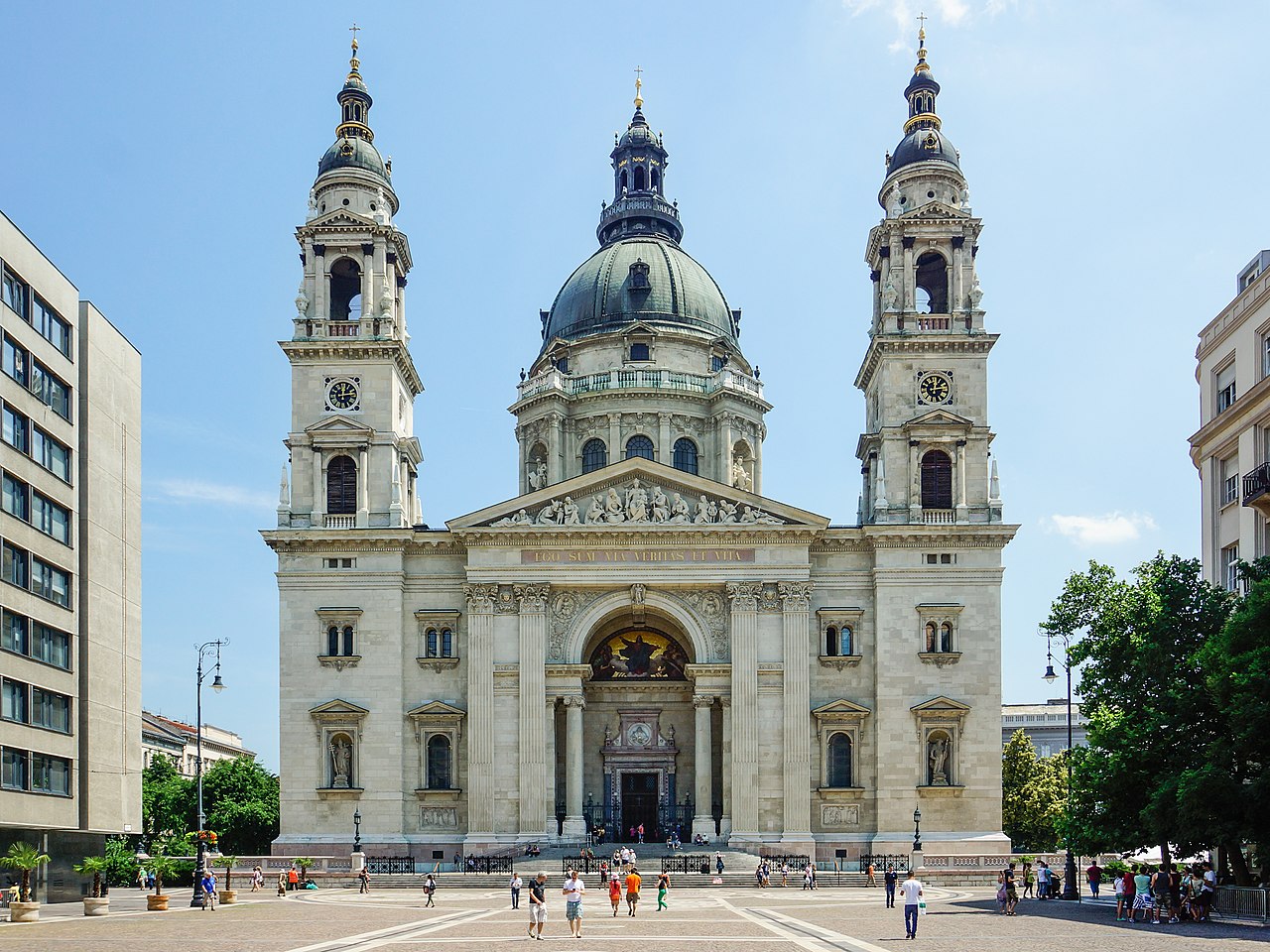


Geography and landmarks
Budapest’s landscape is marked by steep hills on the west bank and broad avenues on the east. The highest point within the city is János Hill at about 527 m, which offers panoramic views. The built environment mixes medieval and baroque buildings in Buda with grand 19th-century boulevards and Art Nouveau facades in Pest.
- Buda Castle and the Castle District — historic seat of rulers and a focal point for museums and architecture.
- Hungarian Parliament building — an iconic neo-Gothic riverside landmark.
- Chain Bridge and other bridges — key crossings that link the two banks across the Danube; the river itself shapes the city’s character and transport routes (the Danube).
- Thermal baths such as Széchenyi and Gellért — part of a longstanding spa culture fed by natural hot springs.
History and development
The separate towns that became Budapest have much older origins: Roman and medieval settlements occupied the area, and it saw Ottoman and Habsburg rule in successive eras. The 19th century brought rapid urbanization and industrial growth; the 1873 municipal unification formalized what had already been an integrated metropolitan area. In the 20th century Budapest remained Hungary’s principal center for government, education and the arts, though it experienced the disruptions typical of modern European history.
Culture, economy and transport
Budapest is a national hub for higher education, research, performing arts and museums. It hosts festivals, theaters and a vibrant music scene. The local economy combines public administration, finance, light industry and tourism. Public transport is extensive, with an integrated network of trams, buses, suburban rail and one of Europe’s early metro lines; cycling and river services also play a role in daily mobility.
Notable distinctions
Several parts of Budapest are recognized for their cultural and architectural value, including areas listed by international heritage bodies. The city is also celebrated for its thermal springs, a layered urban fabric where Roman ruins, medieval streets and 19th-century grand avenues coexist, and for its striking riverside setting that draws visitors and residents alike.
Related articles
Author
AlegsaOnline.com Budapest: Hungary’s Capital and River City Leandro Alegsa
URL: https://en.alegsaonline.com/art/15064
Sources
- mek.oszk.hu : "Chapter II.C, para 58 (p. 20)"
- visitbudapest.travel : 10 Facts You May Not Know About Budapest