
George Meade (1815–1872), Union General and Commander at Gettysburg
Overview of George G. Meade: early life, military career, his role at Gettysburg, postwar service during Reconstruction, and his legacy in American military history.
Overview
George Gordon Meade was a senior Union general best known for commanding the Army of the Potomac to a defensive victory at the Battle of Gettysburg in the American Civil War. Born abroad and trained as a professional soldier, Meade combined engineering skill, steady temperament, and battlefield pragmatism. His career spanned antebellum Army service, major Civil War campaigns, and postwar assignments in the Reconstruction era.
Image gallery
10 Images


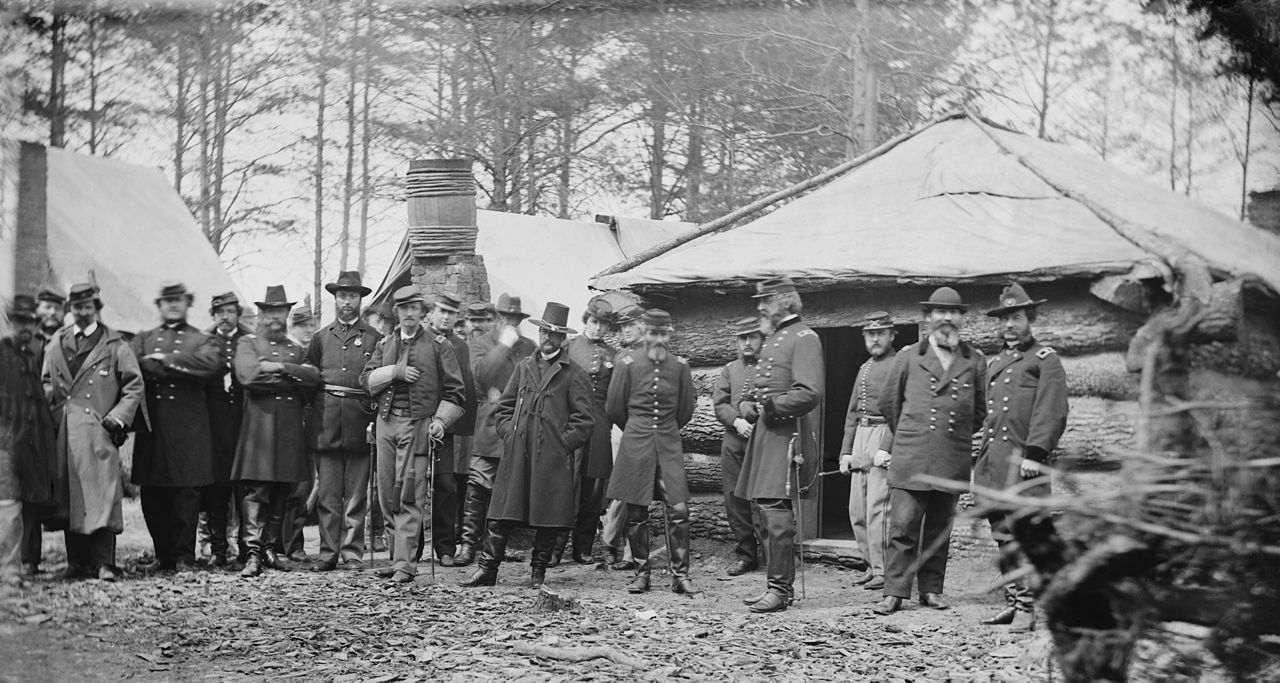
Early life and education
Meade was born in Cadiz, Spain, in 1815. His family returned to the United States after financial reversals associated with the Napoleonic period, and he entered a military education that prepared him for a long Army career. Trained as an engineer, Meade spent decades in the regular army before the Civil War, gaining experience that shaped his approach to logistics, entrenchments, and battlefield disposition.
Military career and Gettysburg
During the Civil War Meade rose through command ranks to lead the Army of the Potomac just days before a confrontation that would define his reputation. At Gettysburg his defensive dispositions and coordination of corps commanders helped blunt Robert E. Lee's invasion of the North and inflicted a strategic defeat on the Confederate Army. While not celebrated as an aggressive or flamboyant commander, Meade's caution and technical competence produced results in difficult circumstances.
Later service and public life
After the war Meade remained on active duty and was assigned to duties in the South during the complex Reconstruction period. He also engaged in civic responsibilities in Philadelphia, serving as commissioner of Fairmount Park, where he supervised improvements to public grounds until his death in 1872. His postwar record shows a professional officer transitioning to peacetime administration while remaining influential among fellow veterans.
Characteristics, legacy, and assessments
- Strengths: engineering knowledge, defensive skill, steady leadership under pressure.
- Criticisms: sometimes overly cautious and politically isolated within Union high command.
- Legacy: credited with preserving a critical Union field army and securing a turning-point victory; commemorated by monuments and historical study.
Further reading and sources
For general background and primary-source collections see biographical summaries, lists of Union generals, and broader treatments of the Civil War. Information about his birthplace and family circumstances is discussed in sources on his early life and career beginnings, and in studies of Americans returning from Europe to the United States. Economic context for his family's moves appears in material about the financial disruptions of the post-war era and the era of the Napoleonic conflicts. His appointment as commander is described in documents on his promotion and command, and detailed campaign analysis focuses on the Army of the Potomac and the crucial Battle of Gettysburg. Postwar activities in the southern states are covered in Reconstruction studies and assignments, and local records highlight his role with Fairmount Park in Philadelphia.
Questions and answers
Q: Where was George Gordon Meade born?
A: George Gordon Meade was born in Cadiz, Spain.
Q: What happened to Meade's family during the Napoleonic Wars that brought them to the United States?
A: Meade's family was financially ruined during the Napoleonic Wars, which brought them to the United States.
Q: In which army did Meade serve during the American Civil War?
A: Meade served in the Union Army during the American Civil War.
Q: When did Meade become commander of the Union Army of the Potomac?
A: Meade became commander of the Union Army of the Potomac just before the Battle of Gettysburg.
Q: After the Civil War, where did Meade serve in the army?
A: After the Civil War, Meade served in the South during the Reconstruction.
Q: What was Meade's occupation after he served in the army?
A: Meade served as commissioner of Fairmount Park in Philadelphia after he served in the army.
Q: When did Meade die?
A: Meade died in 1872.
Related articles
Author
AlegsaOnline.com George Meade (1815–1872), Union General and Commander at Gettysburg Leandro Alegsa
URL: https://en.alegsaonline.com/art/38252
Sources
- civilwar.org : "George G. Meade"
- history.com : "George G. Meade"
- historyengine.richmond.edu : "George Meade: Hero at Gettysburg?"
- encyclopediavirginia.org : "George G. Meade (1815–1872)"
- penelope.uchicago.edu : "Register of Officers and Graduates of the United States Military Academy, Class of 1835"
- 314th.org : "An Illustrated History of Fort George G. Meade"
- civilwarhome.com : "George Gordon Meade (1815-1872)"
- americancivilwar.com : "Union General George Gordon Meade, Commander Army of the Potomac"
- owlcation.com : "General George G. Meade: Hero Of Gettysburg or Goat?"
- civilwar.org : "Battle of Falling Waters Williamsport, Hagerstown"
- visitgettysburgpa.com : "The Battle of Gettysburg"
- us-civilwar.com : "Retreat from Gettysburg"