
Andaman Islands
An Indian archipelago in the Bay of Bengal known for tropical forests, coral reefs, distinct indigenous communities, colonial history, and a growing tourism economy under conservation regulations.
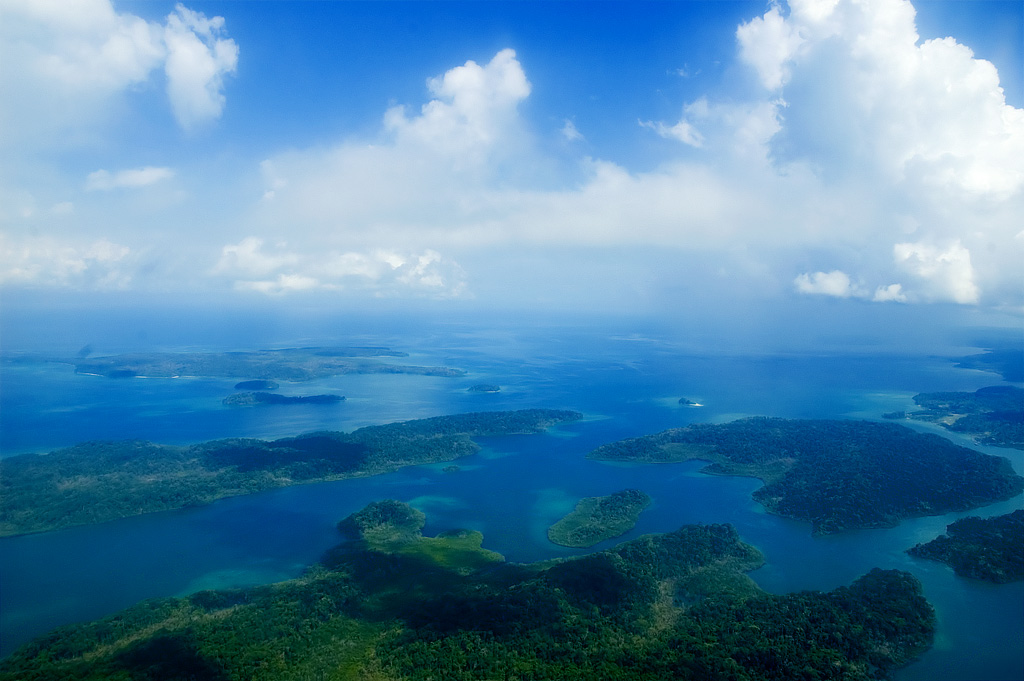
The Andaman Islands are a chain of islands that form the northern portion of the Indian union territory of Andaman and Nicobar Islands. Lying in the Bay of Bengal, the group consists of hundreds of islands and islets — several hundred are recorded, with a few dozen permanently inhabited. The archipelago sits between mainland India and the coast of Myanmar and is often described simply as an archipelago because of its many scattered islands.
Image gallery
10 Images



Geography and environment
The islands run roughly north–south and include larger landmasses such as North, Middle and South Andaman and Little Andaman. The landscape combines low hills, evergreen rainforest, mangrove swamps and sandy beaches. The seascape features fringing coral reefs and rich marine life. Barren Island, part of the chain, is the only historically recorded active volcano in the region. The islands are shaped by tectonic movements of the Indian plate and by coastal processes that create lagoons and estuaries.
History and peoples
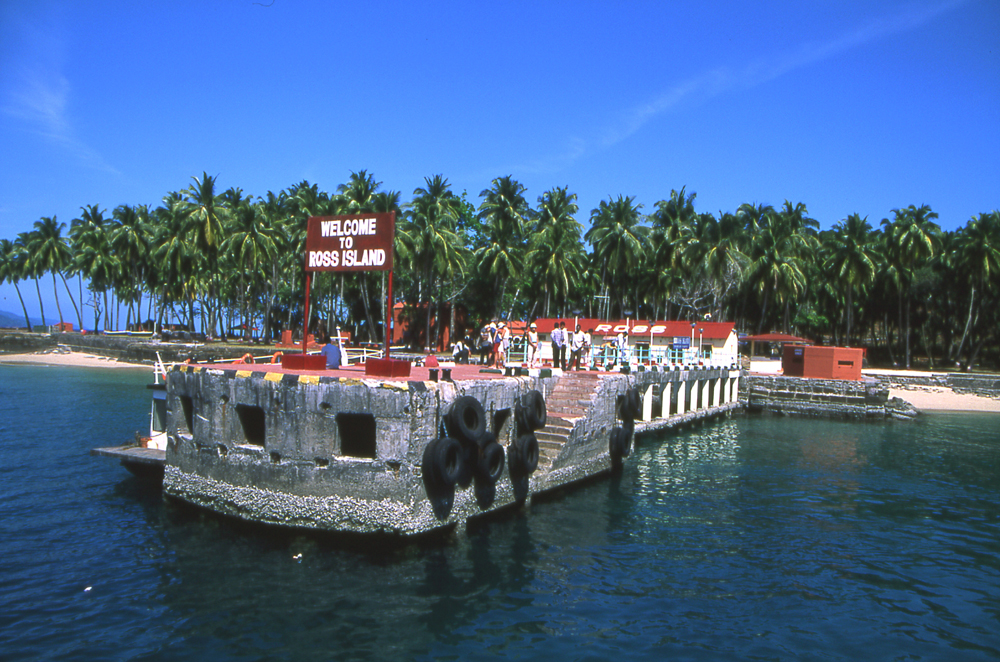
Human habitation predates recorded history. The Andamans are home to several indigenous groups, including communities often referred to collectively as the Andamanese, some of whom maintain traditional hunter‑gatherer lifestyles. During the colonial era the British established a penal settlement at Port Blair; remnants of that period, notably the Cellular Jail, remain important historical sites. The islands were also affected by wider regional events such as the Second World War.
Biodiversity and conservation
The islands support high biological diversity and a number of endemic species in both terrestrial and marine environments. Forests provide habitat for birds, reptiles and small mammals, while coral reefs are important for fish and invertebrates. Conservation efforts include protected areas, restrictions on development and regulated tourism to reduce habitat loss, overfishing and the impact of invasive species.
Economy, tourism and access
The local economy relies on a mix of government services, fishing, small‑scale agriculture and growing tourism. Popular activities include beach visits, scuba diving, snorkeling and visits to historical sites. Access is centered on Port Blair, which has an airport and ferry links to other islands; internal travel often requires permits for certain areas, especially where indigenous communities live or where ecological sensitivity demands special regulation.
Notable facts
- Strategic location: The islands have a key position in the eastern Indian Ocean and have military and shipping significance.
- Cultural sensitivity: Several indigenous groups have protected status and contact is restricted to preserve their health and culture.
- Visitor guidance: Travelers are encouraged to follow local rules, obtain necessary permits and respect conservation measures.
Overall, the Andaman Islands combine natural richness, cultural uniqueness and layered history. They are a focus of conservation science and sustainable tourism efforts while remaining important for regional biodiversity and cultural heritage preservation.
Questions and answers
Q: What are the Andaman Islands?
A: The Andaman Islands are an archipelago and a part of the Indian union territory of Andaman and Nicobar Islands.
Q: Where are the Andaman Islands located?
A: The Andaman Islands are located in the Bay of Bengal and off the eastern coast of India. Myanmar is the closest landmass to the islands, to the north of them.
Q: How many islands are there in the Andaman archipelago?
A: There are 572 islands in the Andaman archipelago, out of which 36 are inhabited.
Q: What is the Andaman Islands' participation in the Indian union territory?
A: The Andaman Islands are a part of the Indian union territory of Andaman and Nicobar Islands.
Q: What is the importance of the Andaman Islands?
A: The Andaman Islands are a prime location for tourism.
Q: Which country is closest to the Andaman Islands?
A: Myanmar is the closest country to the Andaman Islands.
Q: How many of the Andaman archipelago's islands are inhabited?
A: There are 36 inhabited islands out of the 572 islands in the Andaman archipelago.
Related articles
Author
AlegsaOnline.com Andaman Islands Leandro Alegsa
URL: https://en.alegsaonline.com/art/3881
Sources
- mapsofindia.com : "Economy of Andaman"
- pib.nic.in : "Tourists in Andaman Islands"
- realbharat.org : "Tribes of Andaman Islands"