
Genovese crime family
One of New York City's principal Mafia families, historically powerful and secretive; known for organized crime activities, hierarchical structure, and long influence over unions and businesses.
The Genovese crime family is one of the principal organized criminal groups long associated with New York City. It is traditionally counted among the city's Five Families and is part of the broader American Mafia or Cosa Nostra, a network often described as organized crime in the United States (organized crime; see also Mafia). Observers and some investigators have given the Genovese family nicknames such as the "Ivy League" or the "Rolls Royce" of organized crime to reflect its reputation for discipline and longevity.
Image gallery
9 Images


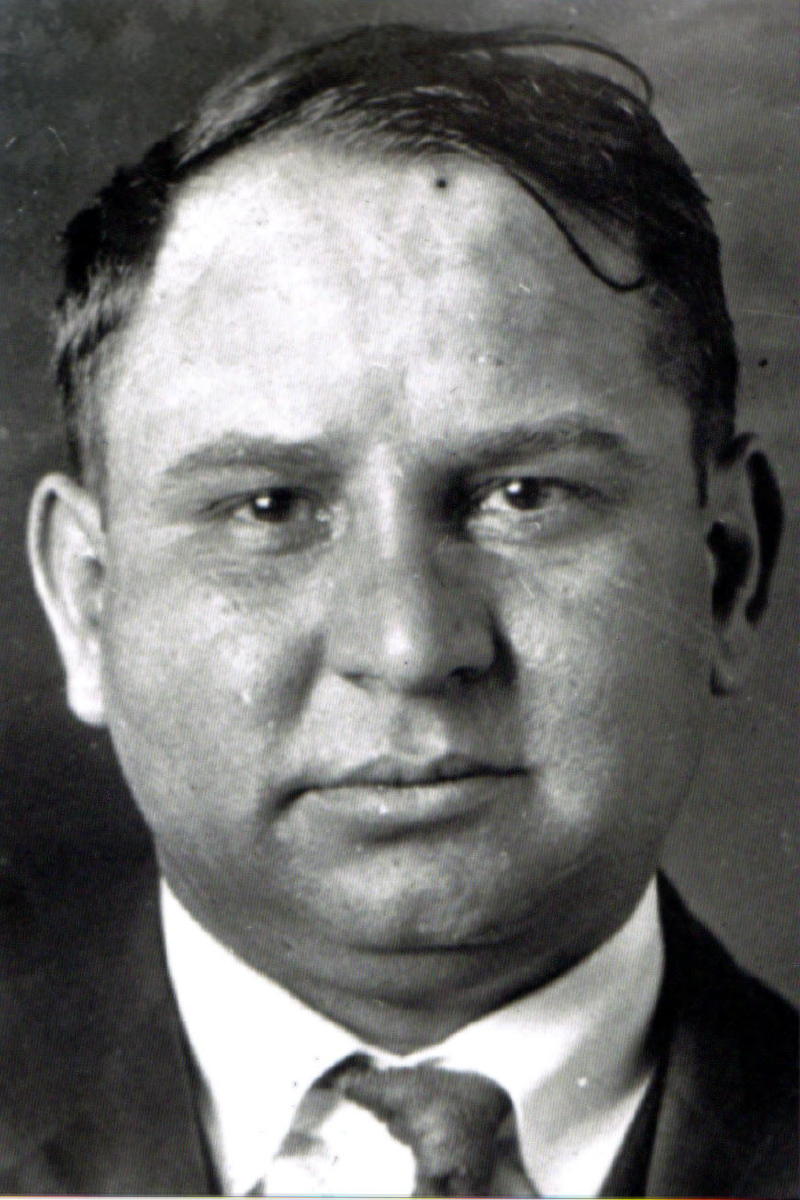


Structure and internal organization
Like other traditional Mafia families, the Genovese group follows a hierarchical model with several defined ranks. In general terms this includes a boss at the top, an underboss, a consigliere (advisor), and a number of caporegimes or captains who supervise crews of soldiers and associates. Families use this structure to allocate territory, manage illicit enterprises and provide a chain of command for decision-making.
Historical background
The family's modern identity grew out of the early 20th-century migration of Italian organized crime to the United States and the reorganization of New York's criminal groups in the 1930s. Over decades the Genovese organization consolidated control in various neighborhoods and developed methods for protecting leaders, sometimes employing intermediaries or public "fronts" so that police and prosecutors had to work to identify who actually held power.
Activities and areas of influence
Reported activities associated with the family have included extortion, loan‑sharking, illegal gambling, labor racketeering, and infiltration of legitimate businesses and unions. The group has also been linked in public records and prosecutions to violent enforcement, and occasionally to narcotics trafficking. Law enforcement responses, including prosecutions under RICO statutes, have aimed to disrupt these patterns.
Notable aspects and legacy
The Genovese family is notable for its persistence and emphasis on secrecy. It has frequently been described as adept at maintaining low public profiles for its leaders and at embedding influence in legitimate economic sectors. Scholarly and journalistic accounts treat the family as an important example of mid‑20th‑century organized crime in the United States and a focus of ongoing law enforcement attention in New York City (New York City).
- Typical roles: boss, underboss, consigliere, captains, soldiers, associates
- Commonly reported activities: extortion, loans, gambling, labor racketeering
- Notable traits: secrecy, long-term influence, use of front bosses
For further context on New York's organized crime history and the system of the Five Families, see related resources and legal histories (Five Families, organized crime, Mafia).
Questions and answers
Q: What is the Genovese crime family?
A: The Genovese crime family is one of the "Five Families" that controls organized crime activities in New York City, within the nationwide criminal phenomenon known as the Mafia (or Cosa Nostra).
Q: What are the other "Five Families"?
A: The other "Five Families" are the Bonanno, Colombo, Gambino, and Lucchese crime families.
Q: Why is the Genovese crime family called the "Ivy League" of organized crime?
A: The Genovese crime family has been nicknamed the "Ivy League" of organized crime because of their sophistication, intelligence, and strategic manner in conducting their criminal activities.
Q: Why is the Genovese crime family called the "Rolls Royce" of organized crime?
A: The Genovese crime family has been nicknamed the "Rolls Royce" of organized crime because of their wealth and power within the Mafia, as well as their high standards of conduct compared to other crime families.
Q: What kind of organized crime activities does the Genovese crime family control?
A: The Genovese crime family controls a wide range of organized crime activities including extortion, racketeering, smuggling, money laundering, and loan sharking.
Q: How has the Genovese crime family maintained its power over the years?
A: The Genovese crime family has maintained its power over the years through a combination of violence, intimidation, bribery, and corruption of law enforcement and political officials.
Q: Has the Genovese crime family ever faced legal action?
A: Yes, the Genovese crime family has faced legal action throughout its history, with many members and leaders being indicted and convicted for various crimes.
Related articles
Author
AlegsaOnline.com Genovese crime family Leandro Alegsa
URL: https://en.alegsaonline.com/art/38061