
Georgetown University: Overview, History, and Academic Profile
A concise encyclopedic overview of Georgetown University: its Jesuit Catholic identity, campuses and schools, historical development including ties to slavery, academic focus, and public role.
Georgetown University is a private research university in Washington, D.C., founded in the late 18th century with roots in the Society of Jesus. It is widely recognized as the oldest Catholic institution of higher learning in the United States. The university combines a religious heritage with a secular research mission and a strong involvement in public affairs and diplomacy. For an introduction to its religious identity see Catholic and Jesuit traditions, and for its location consult its Washington, D.C. setting.
Image gallery
10 Images

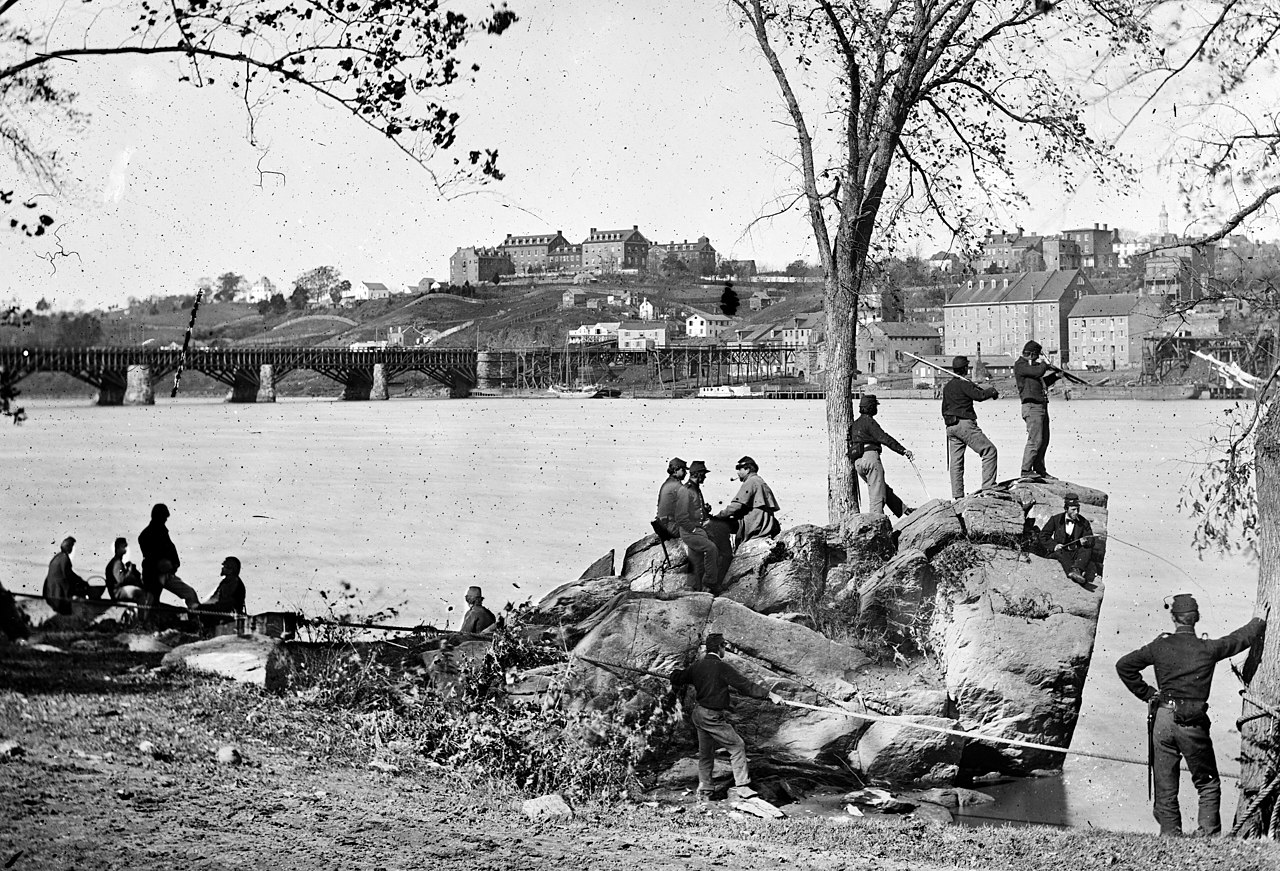


Campus and academic structure
Georgetown's main campus occupies a hilltop in the Georgetown neighborhood along the Potomac River, and the institution includes multiple professional schools and research centers. Notable units include:
- Georgetown College (arts and sciences)
- Walsh School of Foreign Service (international affairs)
- Law Center and McDonough School of Business
- Georgetown University Medical Center and schools of nursing and public health
The university organizes undergraduate and graduate instruction across these schools and supports interdisciplinary institutes focused on global policy, health, and technology.
Academic character and mission
Grounded in Jesuit principles such as care for the whole person and service to others, Georgetown emphasizes liberal arts, professional training, and international engagement. Its School of Foreign Service is particularly notable for preparing students for careers in diplomacy, government, and global organizations. Research, public service, and experiential learning are central components of the curriculum.
History and reconciliation
Georgetown was established in 1789 by John Carroll as part of the early Catholic presence in the new United States; more on its founding is available at founding records and biographical sources. Like many American institutions with long histories, Georgetown has a complex past: in the 19th century the university and its Jesuit administrators were involved in the sale of enslaved people to raise funds. This episode and its legacies have been the subject of historical study and institutional response; research and reconciliation efforts are discussed in reports linked at historical investigations.
Today Georgetown plays a prominent role in higher education, drawing students from around the world, producing graduates active in public life, and engaging in scholarship on global issues. Its combination of religious heritage, urban location, and focus on international affairs distinguishes it among American universities.
Related articles
Author
AlegsaOnline.com Georgetown University: Overview, History, and Academic Profile Leandro Alegsa
URL: https://en.alegsaonline.com/art/38341
Sources
- georgetown.edu : "Board of Directors" · web.archive.org
- georgetown.edu : "Services and Administration"
- communications.georgetown.edu : "Georgetown Facts"
- visualidentity.georgetown.edu : "Primary and Secondary Colors"
- guhoyas.com : "Georgetown University Sports"
- commons.wikimedia.org : Georgetown University
- georgetown.edu : "Georgetown University"