
The Five Families of New York: origins, structure, and influence
Overview of New York’s Five Families: historical origins, organizational structure, notable events, law‑enforcement response and contemporary status of these Italian‑American crime families.
Overview
The phrase "Five Families" denotes the five principal Italian‑American crime families that have dominated organized crime in New York City since the 1930s. Emerging from violent factional conflict in the early 20th century, the groups consolidated under new leadership and a system intended to reduce internecine warfare. Under figures often associated with the post‑war reorganization — including Lucky Luciano and Salvatore Maranzano — the families helped establish a national framework for coordination that shaped American organized crime throughout the 20th century.
Image gallery
5 Images


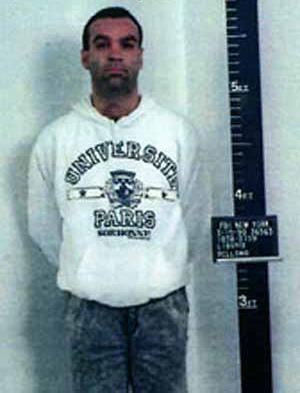
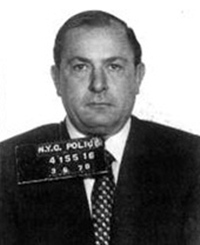
Origins and early history
The configuration commonly known as the Five Families grew out of earlier Sicilian and Italian immigrant criminal networks and of the aftermath of the Castellammarese War, a violent power struggle that ended in the early 1930s. Leaders sought a more stable arrangement for resolving disputes and allocating territories. That arrangement evolved into a body that mediated conflicts and helped manage relations between major criminal groups across the country.
The Commission and national coordination
To limit open conflict and to facilitate cooperation, a governing council was formed that became known informally as The Commission. It brought together representatives from major families to negotiate disputes, approve significant actions and allocate markets. This model of governance was a distinctive development in the history of organized crime in the United States and shifted some decisions from local vendettas to a council‑based process.
Structure and roles
The families generally follow a hierarchical model: a boss at the top, an underboss and a consigliere as senior lieutenants, and caporegimes (captains) who manage crews of soldiers and associates. That structure supports centralized leadership while enabling decentralized day‑to‑day operations. Typical activities associated with the families have included extortion, loan‑sharking, illegal gambling, labor racketeering, corruption in construction and unions, trafficking in contraband, and various forms of fraud; the mix and prominence of these activities have varied by era, opportunity and law‑enforcement pressure.
The five families
The organizations most commonly listed as the Five Families are:
Names, leadership and internal arrangements have changed repeatedly because of arrests, prosecutions, internal conflict and defections. One family formerly held the Profaci name before becoming widely known by another name after mid‑20th‑century struggles; public nomenclature can shift with major leadership changes.
Notable events and law enforcement response
Several watershed events altered public awareness and the balance of power. Mid‑century incidents such as large inter‑family gatherings that attracted law enforcement attention drew public scrutiny. In the 1960s and later decades, testimony by insiders and investigative reporting exposed organizational practices to wider audiences. Legislative and prosecutorial tools — notably federal racketeering statutes and coordinated investigations using wiretaps, informants and grand jury work — intensified pressure on traditional structures. High‑profile prosecutions, the application of RICO statutes, and instances in which senior figures cooperated with authorities contributed to long‑term disruptions of the families' activities.
Influence, decline and regional ties
The Five Families exerted influence over certain labor unions, construction contracts and local businesses, and their activities had cultural as well as economic effects. Over the late 20th and early 21st centuries, sustained law‑enforcement efforts, changing economic conditions and generational shifts reduced some of the visible power once associated with these groups. Smaller regional organizations, including a New Jersey‑based family long noted for ties to New York groups, maintained lines of contact and occasional cooperation with the New York families.
Contemporary considerations
Leadership, public labels and operational focus continue to evolve. Arrests, internal reorganizations and occasional defections mean that specific names and positions can become outdated quickly. For deeper study, researchers consult court records, congressional hearings and contemporary investigative reporting. Background material on broader organized‑crime dynamics and on particular leaders remains available through historical and legal sources; for topical introductions see entries on organized crime, regional studies of New York City, biographies of figures such as Lucky Luciano and treatments of Mafia governance. Family‑specific resources and further profiles are commonly indexed under the names Bonanno, Gambino, Colombo, Genovese and entries that discuss leaders such as Carmine Persico.
Questions and answers
Q: What are the Five Families?
A: The Five Families are the five major Italian-American Mafia crime families which have controlled organized crime in New York City since the 1930s.
Q: Who suggested the establishment of The Commission?
A: Salvatore Maranzano and Charles "Lucky" Luciano suggested the establishment of The Commission.
Q: What is The Commission?
A: The Commission is a council that changed how things worked with Mafia activities in the United States.
Q: Who are the bosses of the Five Families currently?
A: The bosses of the Five Families currently are Vincent "Vinny Gorgeous" Basciano (Salvatore Montagna is the acting boss) for the Bonanno family, Nicholas "Little Nick" Corozzo and Jackie "Nose" D'Amico for the Gambino family, Carmine "Junior" Persico (Thomas Gioeli is the acting boss) for the Colombo family, Daniel "Danny the Lion" Leo for the Genovese family, and Vittorio "Vic" Amuso (Steven "Wonderboy" Crea is the acting boss) for the Lucchese family.
Q: What was the name of the Colombo family before the 1960s?
A: The Colombo family was once known as the Profaci Crime Family, until a coup caused a name change in the early 1960s.
Q: What was the former Godfather Joe Massino's plan?
A: Former Godfather Joe Massino had wanted to change the name of the Bonanno Family to the Massino Family.
Q: Which crime family also has ties to the Five New York families?
A: The DeCavalcante crime family, based in nearby Elizabeth, NJ, also has ties to the five New York families.
Related articles
Author
AlegsaOnline.com The Five Families of New York: origins, structure, and influence Leandro Alegsa
URL: https://en.alegsaonline.com/art/34685
Sources
- nlpc.org : Gotti Ally D'Amico Becomes New Gambino Boss; Denies It, Too
- ganglandnews.com : Gang Land News: Persico
- thelaborers.net : thelaborers.net