
German Football Association (Deutscher Fußball-Bund)
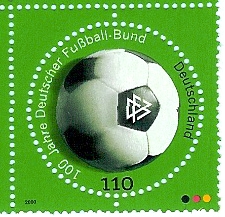
The Deutscher Fußball-Bund (DFB) is the governing body for football in Germany, overseeing national teams, amateur and youth development, refereeing and national cup competitions since 1900.
Overview
The German Football Association, known in German as the Deutscher Fußball-Bund (DFB), is the principal governing association responsible for organizing and promoting football in Germany. The DFB coordinates national teams, amateur structures and many national competitions. It was among the founding members of major continental and global bodies, including FIFA and UEFA, and it continues to play a central role in the sport’s administration.
Image gallery
6 Images


Structure and responsibilities
The DFB operates as a national federation made up of regional and state associations, with responsibilities that span competitive, regulatory and educational areas. It directly manages the men's and women's national teams, organizes the national cup competition and oversees referee education and coaching licenses. Professional league operations, notably the Bundesliga, are run independently by the Deutsche Fußball Liga, but the DFB retains overarching governance for the sport in the country.
History and development
The association was founded on 28 January 1900 in Leipzig, in response to the growing popularity of the game across German-speaking regions. Over the 20th century the DFB expanded its remit, restructured after the world wars and helped rebuild a unified national sporting system. Today its headquarters are based in Frankfurt, and the federation has adapted to modern challenges such as professionalization, international competition and social responsibility.
Programs and activities
Key areas of work include:
- Management of national teams at senior and youth levels, for both men and women.
- Organization of the DFB-Pokal (national cup) and amateur competitions, and cooperation with professional leagues.
- Coach education and licensing systems to ensure consistent training standards across clubs and academies.
- Referee training and appointments, plus initiatives to promote inclusion, fair play and grassroots participation.
Notable facts and influence
The DFB has been instrumental in developing football talent and infrastructure that contributed to multiple international titles for German national teams. It is also a major presence in sport governance, widely recognized for structured youth development and coaching programs. While the federation has faced occasional controversies like other large sporting bodies, it remains central to the organization, culture and global reputation of German football.
For more detailed resources and historical records, consult the federation’s official materials and archival collections maintained by regional associations and museums.
Related articles
Author
AlegsaOnline.com German Football Association (Deutscher Fußball-Bund) Leandro Alegsa
URL: https://en.alegsaonline.com/art/38454