
Abdul Wahid Aresar — Sindhi nationalist leader and former JSQM chairman
Pakistani Sindhi nationalist politician; long-time leader in Jeay Sindh Qaumi Mahaz (JSQM) and advocate for Sindhi cultural and political rights. Served as chairman in the 1990s; died in Karachi in 2015.
Overview
Abdul Wahid Aresar (11 October 1949 – 3 May 2015) was a Pakistani politician known for his role in the Sindhi nationalist movement. He emerged as one of the prominent figures associated with the Jeay Sindh Qaumi Mahaz (JSQM), a party that advocates for the political, cultural and economic rights of the people of Sindh. Aresar served as chairman of JSQM during the 1990s and continued to be an influential voice in regional politics until his death.
Image gallery
1 Image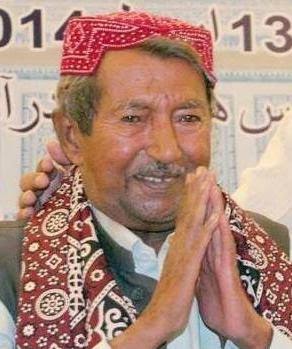
Political career and role in JSQM
Aresar was widely regarded within Sindhi political circles as a committed organizer and party leader. During the 1990s he held formal leadership responsibilities in JSQM and was often described as one of the movement's heads. His activity included party-building, public advocacy, and efforts to maintain JSQM's cohesion amid internal disagreements and shifting political circumstances.
Positions and objectives
He advocated greater provincial autonomy, protection of Sindhi language and culture, and attention to local economic concerns. While the specifics of tactics and strategy varied among Sindhi nationalist groups, Aresar's public positions emphasized political mobilization within constitutional bounds and raising awareness of regional grievances at national and provincial levels.
Legacy and significance
Abdul Wahid Aresar is remembered as a significant figure in late 20th‑century Sindhi politics. Supporters credit him with strengthening organizational structures and keeping issues of Sindhi identity on the public agenda. Critics and commentators have noted the factional nature of Sindhi nationalist politics and the challenges any leader faced in translating popular support into sustained policy change.
- Leadership: Chairman of JSQM in the 1990s, one of several senior leaders in the Sindhi nationalist movement.
- Advocacy: Emphasized cultural rights, provincial autonomy, and political representation.
- Impact: Played a role in shaping debates about regional rights within Pakistan.
Death and remembrance
Aresar died on 3 May 2015 at a private hospital in Karachi, aged 65. His passing prompted tributes from supporters and statements from regional political actors acknowledging his long involvement in Sindhi public life. Observers of Pakistani regional politics continue to reference his name when discussing the development and divisions of Sindhi nationalist parties.
For further background on political organizations and regional movements connected to this subject, see party histories and analyses of Sindhi nationalism and provincial politics in Pakistan. Biographical summaries and retrospectives can provide additional context about the organizational changes and debates that shaped Aresar's public career.
Related resources: leader profiles, party records (JSQM) and regional studies of Sindh politics offer pathways to deeper research.
Related articles
Author
AlegsaOnline.com Abdul Wahid Aresar — Sindhi nationalist leader and former JSQM chairman Leandro Alegsa
URL: https://en.alegsaonline.com/art/379