
Sir Abdullah Haroon: Sindhi Businessman, Philanthropist and Muslim League Leader (1873–1942)
Sir Abdullah Haroon (1873–1942), Sindhi businessman, philanthropist and All-India Muslim League leader who shaped Muslim political mobilization, civic institutions and public life in pre‑partition Sindh.
Sir Abdullah Haroon (1873–1942) was a prominent political figure and businessman from Sindh in British India. He became a leading voice in the All-India Muslim League and was active in efforts that later became part of the Pakistan Movement.
Image gallery
2 Images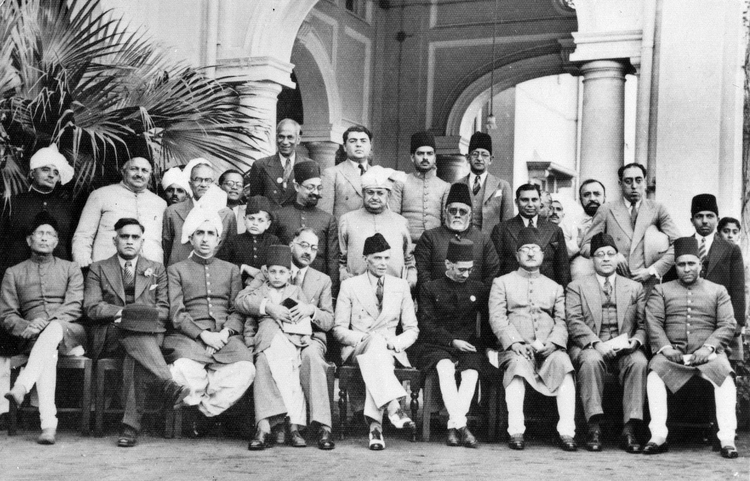

Early life and career
Born in 1873 in Sindh, Haroon established himself in commerce and public affairs at a time when the region was undergoing social and political change. He combined commercial activity with involvement in municipal and charitable projects, earning a reputation as a community leader.
Political activity
Haroon emerged as an organiser and advocate for Muslim political interests in Sindh. He worked within the structures of the Muslim League to increase political participation by Muslims and to press for greater representation in local and provincial government. His public work included charitable initiatives and support for educational and civic institutions.
Role in the Pakistan Movement
Although he died in 1942, before the creation of Pakistan, Haroon’s political organizing and efforts to build a Muslim political base in Sindh contributed to the broader movement for political autonomy for Muslims in the Indian subcontinent. He used his standing and resources to strengthen party structures and to bring attention to Muslim concerns in provincial affairs.
Honours, death and legacy
- He carried the title “Sir,” a reflection of recognition by the colonial authorities.
- Haroon died in 1942; historians regard him as an important regional leader whose work helped shape Muslim political mobilisation in Sindh.
- His public career is remembered for linking commerce, philanthropy and political organisation at a formative period in South Asian history.
Tags
Related articles
Author
AlegsaOnline.com Sir Abdullah Haroon: Sindhi Businessman, Philanthropist and Muslim League Leader (1873–1942) Leandro Alegsa
URL: https://en.alegsaonline.com/art/382