
Gemsbok (Oryx gazella): Large African Antelope of Arid Plains
The gemsbok (Oryx gazella) is a large antelope native to southern African drylands. Known for long straight horns and striking markings, it is adapted to arid habitats and plays roles in ecology, tourism, and local cultures.
Overview
The gemsbok, or gemsbuck (Oryx gazella), is a robust antelope native to arid and semi-arid plains of southern Africa. It is notable for its dramatic black-and-white facial markings, pale body, and long, straight horns borne by both males and females. The species is well adapted to heat and limited water, and is a familiar sight in desert and savanna landscapes.
Image gallery
8 Images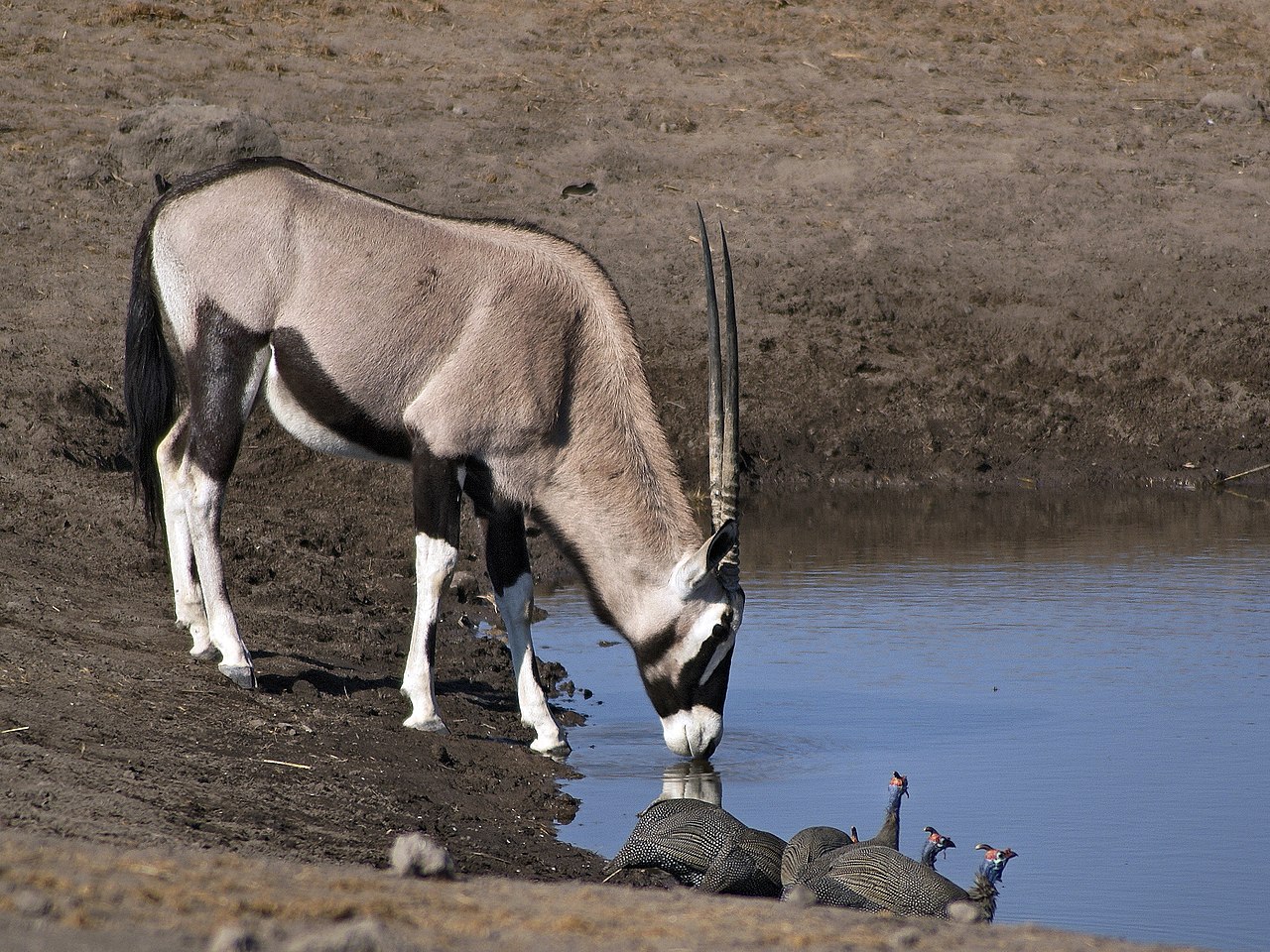


Physical characteristics
Gemsbok are large, muscular antelopes with a light sandy coat that helps reflect sunlight. Distinctive dark patterns on the face, legs and flanks contrast with a pale body. Horns are long and straight, used for defense and dominance displays. Key traits include efficient water economy, heat tolerance, and the ability to obtain moisture from forage during dry periods.
Habitat and range
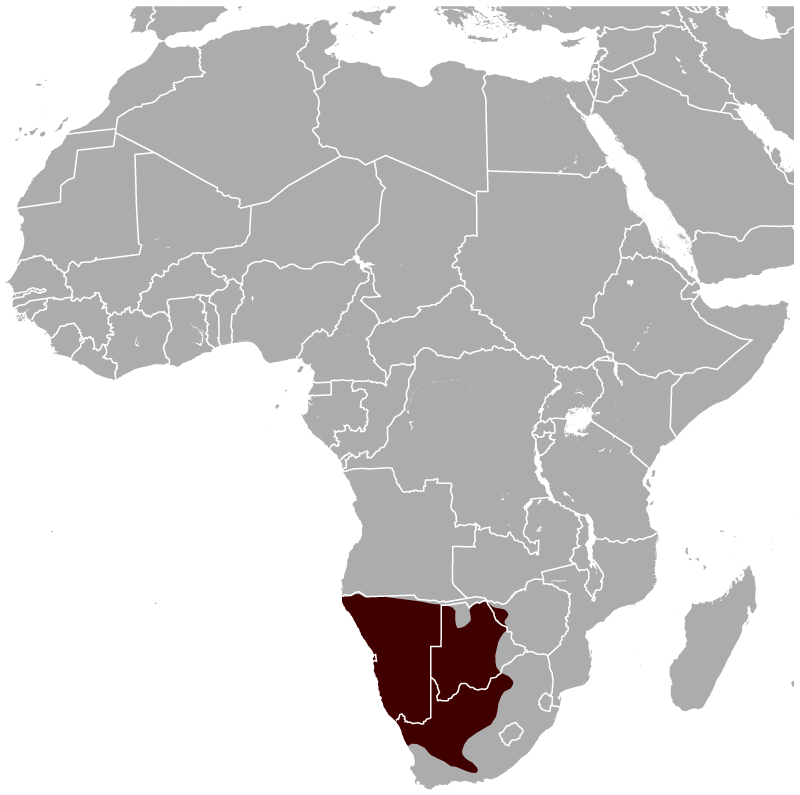
They inhabit open plains, scrubland and desert margins where grasses and browse are available. Historically concentrated in southern Africa, gemsbok are especially associated with countries such as Namibia and South Africa, though populations also occur in parts of Tanzania and other nearby regions. Their presence on broad African plains reflects adaptation to sparse rainfall and high temperatures.
Behavior and diet
Gemsbok are primarily grazers but browse when grasses are scarce, feeding on grasses, leaves, bulbs and seed pods. They often form small herds led by dominant males; solitary or paired animals are common as well. Their social structure and territorial behavior vary with habitat quality and season.
Conservation and human interactions
As a species, gemsbok have proven resilient, and many populations are stable where habitat remains intact. They are valued for ecotourism and regulated game hunting, and they can compete with livestock for forage in some regions. Conservation concerns focus on habitat loss, fencing, and local overuse rather than species-wide decline.
Distinctions and further reading
Gemsbok belong to a group of oryx species that include the Arabian and scimitar oryxes; these relatives differ in distribution and some features. For general context on plains antelopes see related references, and for region-specific information consult resources linked to African wildlife pages and country guides such as Tanzania and Namibia. Many conservation and wildlife organizations maintain up-to-date summaries of oryx species and management practices (South Africa conservation programs).
Related articles
Author
AlegsaOnline.com Gemsbok (Oryx gazella): Large African Antelope of Arid Plains Leandro Alegsa
URL: https://en.alegsaonline.com/art/37883