
Genet (Genetta and relatives): overview, biology, and human interactions
Small viverrid carnivores of the Old World, genets are agile, mostly arboreal mammals notable for long tails, spotted pelage, varied diets, and a fossil record extending to the Pliocene.
Overview
Genets are small to medium-sized mammals in the viverrid family, part of the feliform branch of carnivores. They are native to the Old World and are closely related to civets, linsangs, the fossa, and several species of mongoose (taxonomic relatives). Most living genets are classified in the genus Genetta, and the common genet, Genetta genetta, is notable as the only viverrid that occurs in Europe (European presence). Fossil evidence shows the lineage extends back to at least the Pliocene (paleontological record).
Image gallery
10 Images



Physical characteristics
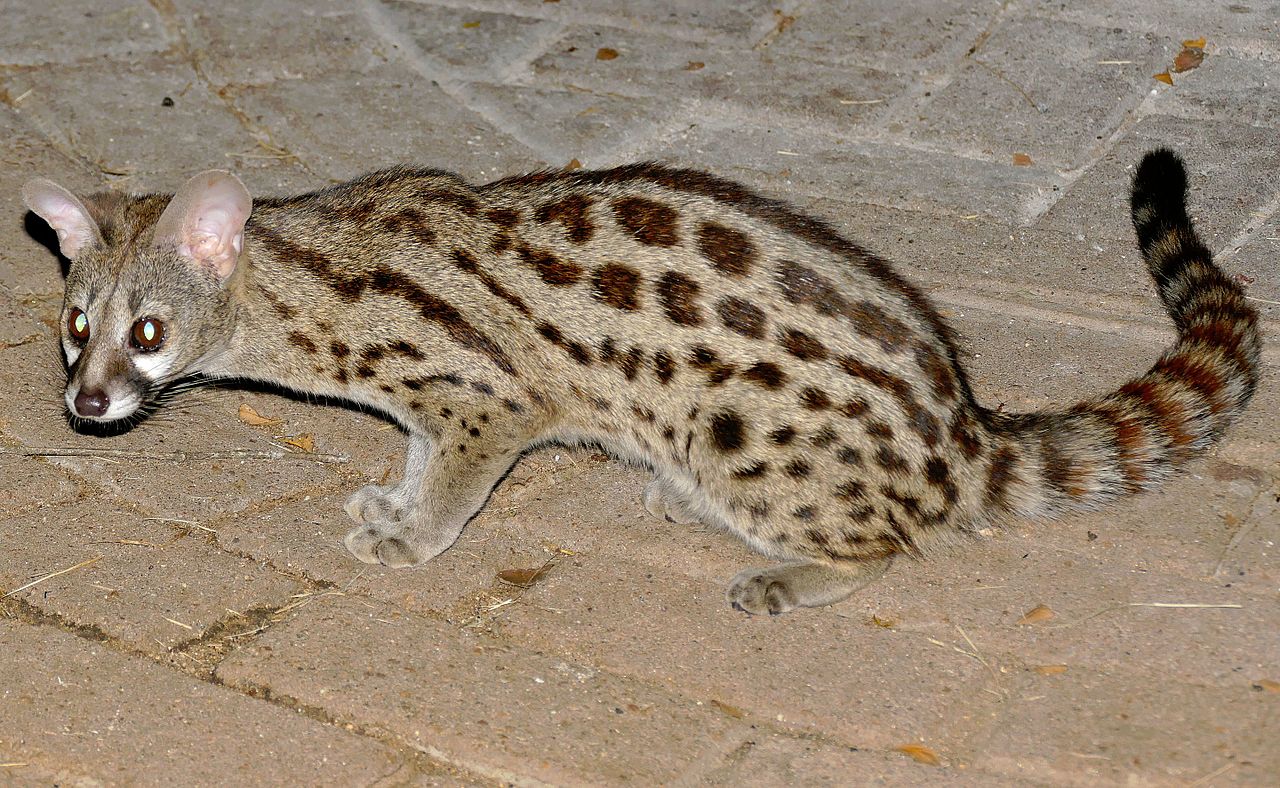
Genets have a slender, elongated body with distinctive spotted or striped fur, and a long tail often one to one-and-a-half times the body length. The tail acts as a counterbalance when moving among branches. Their limbs are relatively short but muscular, and their feet bear semi-retractable claws that aid climbing and prey capture without being specialized for combat (claws and locomotion). Genets are among the most arboreal viverrids and possess excellent balance, agility, and reflexes; some species can stand bipedally for short periods (bipedal stance).
Behavior and diet
Primarily nocturnal and solitary, genets combine arboreal and terrestrial habits. They are agile hunters and opportunistic feeders. Typical prey and food items include:
- small mammals such as rodents and shrews
- bats and other small vertebrates
- birds and eggs
- arthropods such as centipedes, millipedes and scorpions
- fruits including figs and olives during seasons of scarcity
When hunting small rodents, genets often grab the prey from behind and deliver a precise bite to the head; they eat quickly and may begin at the head. Their diet and adaptable foraging strategies allow them to thrive in a variety of habitats from woodlands to savanna fringes and disturbed areas (foraging ecology).
Taxonomy, distribution and evolution
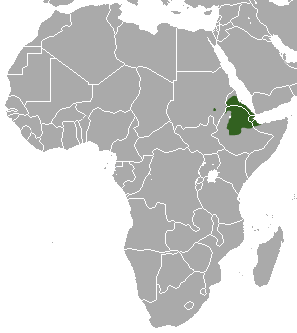
The viverrid family contains several genera; genets form a coherent group within this family and are most diverse in sub-Saharan Africa, with a few species ranging into North Africa and southern Europe. Taxonomic study recognizes multiple species and subspecies, many of which differ in coat pattern, size, and habitat preference (species diversity). Fossils attributed to genet-like animals appear in the Pliocene, indicating the group has an evolutionary history spanning millions of years (fossil record).
Human interactions and notable facts
Genets are seldom dangerous to people and have a complex relationship with humans. In some regions they are hunted for fur or persecuted as poultry predators, while in others they persist around villages and farmland, where they can benefit people by consuming rodents and pests. They have occasionally been kept as exotic pets or working animals in historical contexts (human uses), but they are fundamentally wild animals with specific habitat needs (conservation considerations).
Notable features that distinguish genets from other small carnivores include their spotted or banded pelage, long tails used for balance, semi-retractable claws, and a tendency toward arboreal activity. For further reading on anatomy, behavior, and conservation status consult general mammalogy and regional faunal guides (anatomy, behavioral studies, conservation).
Questions and answers
Q: What family do genets belong to?
A: Genets are feliform carnivores of the family Viverridae.
Q: What are the closest relatives of genets?
A: The closest relatives of genets are civets, linsangs, fossa, and mongooses.
Q: Where can genets be found?
A: The common genet is the only viverrid living in Europe while other species live in Africa. Fossils of the genus have been found from the Pliocene.
Q: How does a long tail help a genet?
A: A long tail acts as a counterweight which helps them keep their balance as they leap from tree limb to tree limb.
Q: Are genets strictly terrestrial animals?
A: No, they are not strictly terrestrial and spend much of their time in trees.
Q: What type of prey do genets feed on?
A: Genets feed on small mammals such as rodents, shrews, and bats; birds, bird eggs; centipedes; millipedes; scorpions; and various fruits including figs and olives.
Q: How agile are genets compared to other viverrids?
A: Genets are highly agile creatures with quick reflexes and exceptional climbing skills and are the only viverrids that can stand bipedally. They can walk, trot, run, climb up and down trees, and jump.
Related articles
Author
AlegsaOnline.com Genet (Genetta and relatives): overview, biology, and human interactions Leandro Alegsa
URL: https://en.alegsaonline.com/art/37988
Sources
- science.jrank.org : science.jrank.org
- science.smith.edu : "Genetta genetta"
- doi.org : 10.1644/1545-1410(2001)680<0001:gg>2.0.co;2
- sil.si.edu : Comparative ethology of the large spotted genet (Genetta genetta) and some related viverrids
- awf.org : awf.org/wildlife-conservation/genet