
Garegin Njdeh
Armenian military commander, statesman and nationalist thinker (1886–1955). Led regional defenses, developed the Tseghakron idea, and remains a contested figure due to wartime choices and Soviet-era imprisonment.
Garegin Njdeh (born Garegin Ter-Harutiunian; 1 January 1886 – late 1955) was an Armenian military leader, statesman and political thinker. He is widely remembered for organizing local defenses during the chaotic years that followed the collapse of Imperial Russia and the Ottoman Empire, for his role in securing the mountainous southern Armenian region of Zangezur (Syunik), and for developing a nationalist doctrine often referred to as Tseghakronism. Njdeh was a native of the Nakhchivan region (Nakhchivan).
Image gallery
10 Images


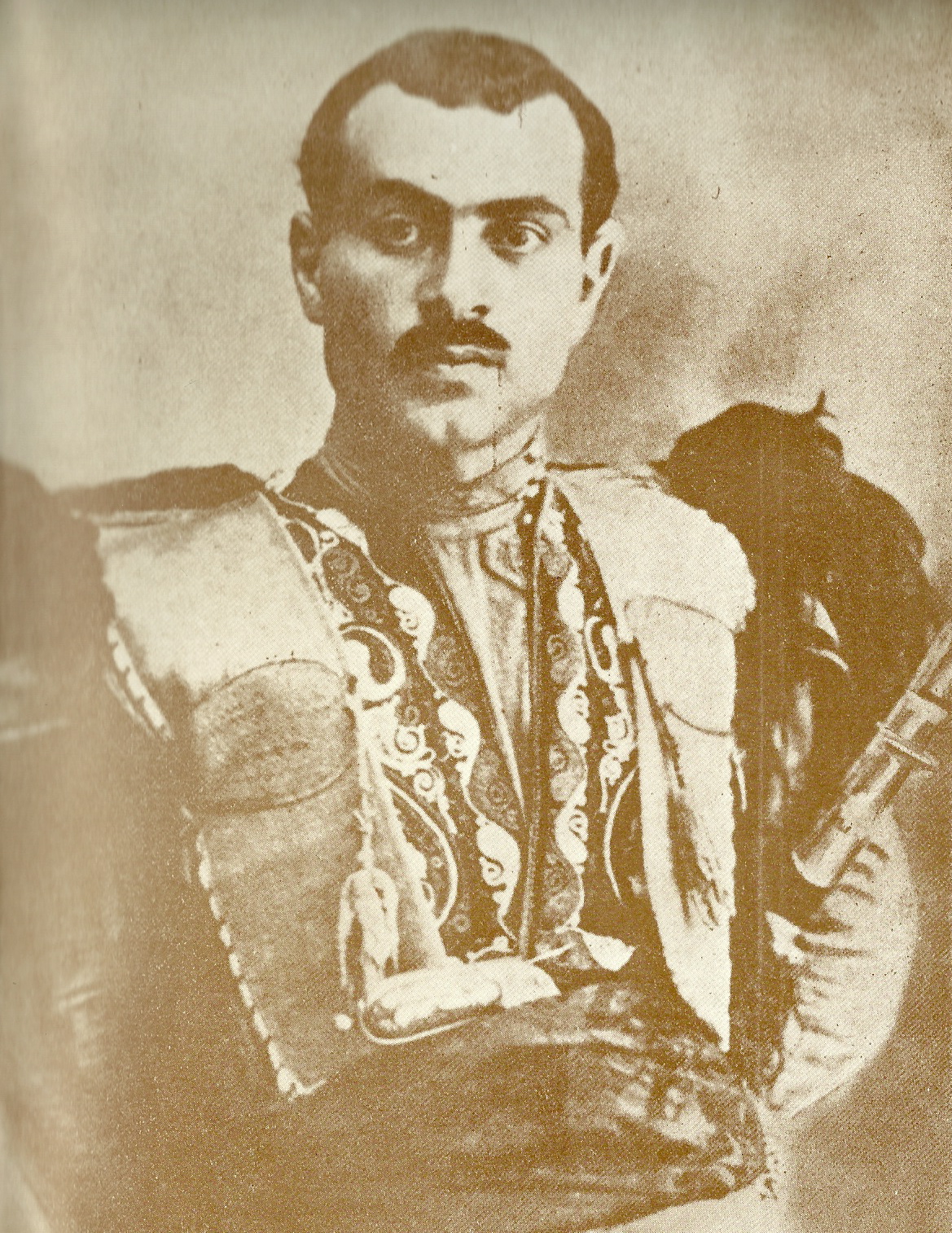
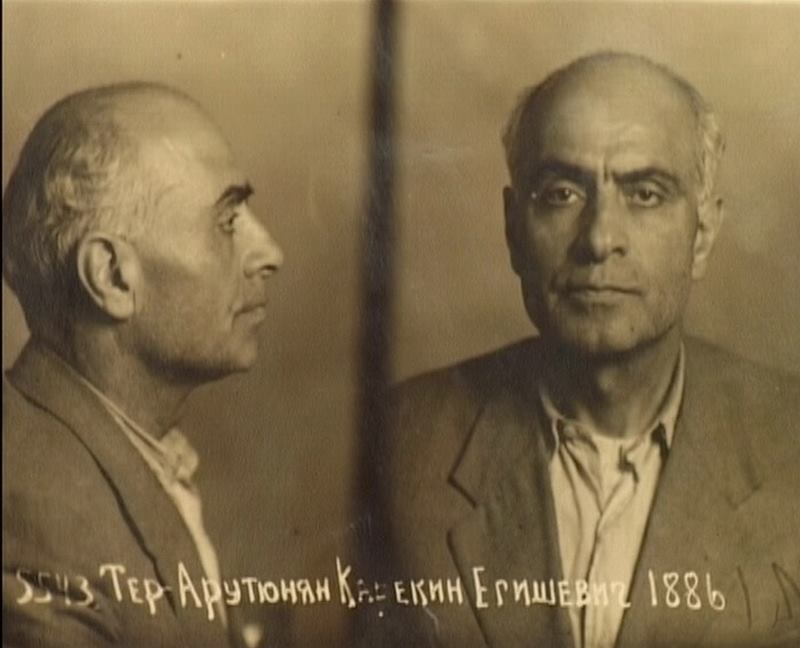

Roles and activities
Throughout his career Njdeh combined several public roles: he acted as a military commander and strategist, a regional administrator and a political ideologue. Contemporaries described him as a determined organizer of local self-defence and as an advocate for a strong, ethnically conscious Armenian polity. He took part in armed struggles and in the political life of the short-lived First Republic of Armenia and in subsequent regional campaigns.
Ideology and writings
Njdeh developed a set of ideas emphasizing cultural renewal, unity and self-reliance for the Armenian nation. These ideas are often grouped under the term Tseghakronism (or similar spellings) and focused on revitalizing national identity through community institutions, education and civic discipline. His work combined practical military concerns with a program for cultural and social revival.
Later life and controversies
After the Sovietization of Armenia many anti-Soviet figures emigrated; Njdeh spent years abroad where he continued political activity and sought support for Armenian causes. He is a controversial figure: some honor him as a national hero for defending Armenian-populated regions, while others criticize his wartime choices and alleged cooperation with hostile powers as tactical moves to advance national aims. His final years ended in Soviet custody, where he died in detention.
Legacy and debate
Njdeh's legacy remains contested. Supporters emphasize his leadership in defending Armenian communities and his influence on modern nationalist thought, while critics point to the moral and political problems raised by alliances and methods he employed. Monuments, commemorations and scholarly studies reflect both admiration and criticism, and discussions of his life continue to shape debates about nationalism, memory and historical responsibility in Armenian public life.
- Armenian name and spelling
- Statesman and organizer
- Public roles in the early 20th century
- Military leadership in regional defense
- Political thinker and ideologue
- Origins in Nakhchivan
Related articles
Author
AlegsaOnline.com Garegin Njdeh Leandro Alegsa
URL: https://en.alegsaonline.com/art/37562