
Gangster (member of organized crime)
An overview of gangsters: definitions, typical organization and activities, historical development, legal response, and cultural portrayals of criminals who act within organized gangs.
Gangster is a common term for a person who participates in organized criminal activity as part of a gang or syndicate. The label covers a range of roles from low-level street operatives to senior figures who control networks of illicit enterprises. In everyday usage it overlaps with related words such as mobster, outlaw and gang member, but context and region shape which term is preferred: for example, American accounts of 20th‑century organized crime often use "gangster" and "mobster" together. A basic distinction is that a gang often denotes a smaller, sometimes street‑level association (gang), while a mob or syndicate implies a larger, more structured criminal organization.
Image gallery
9 Images


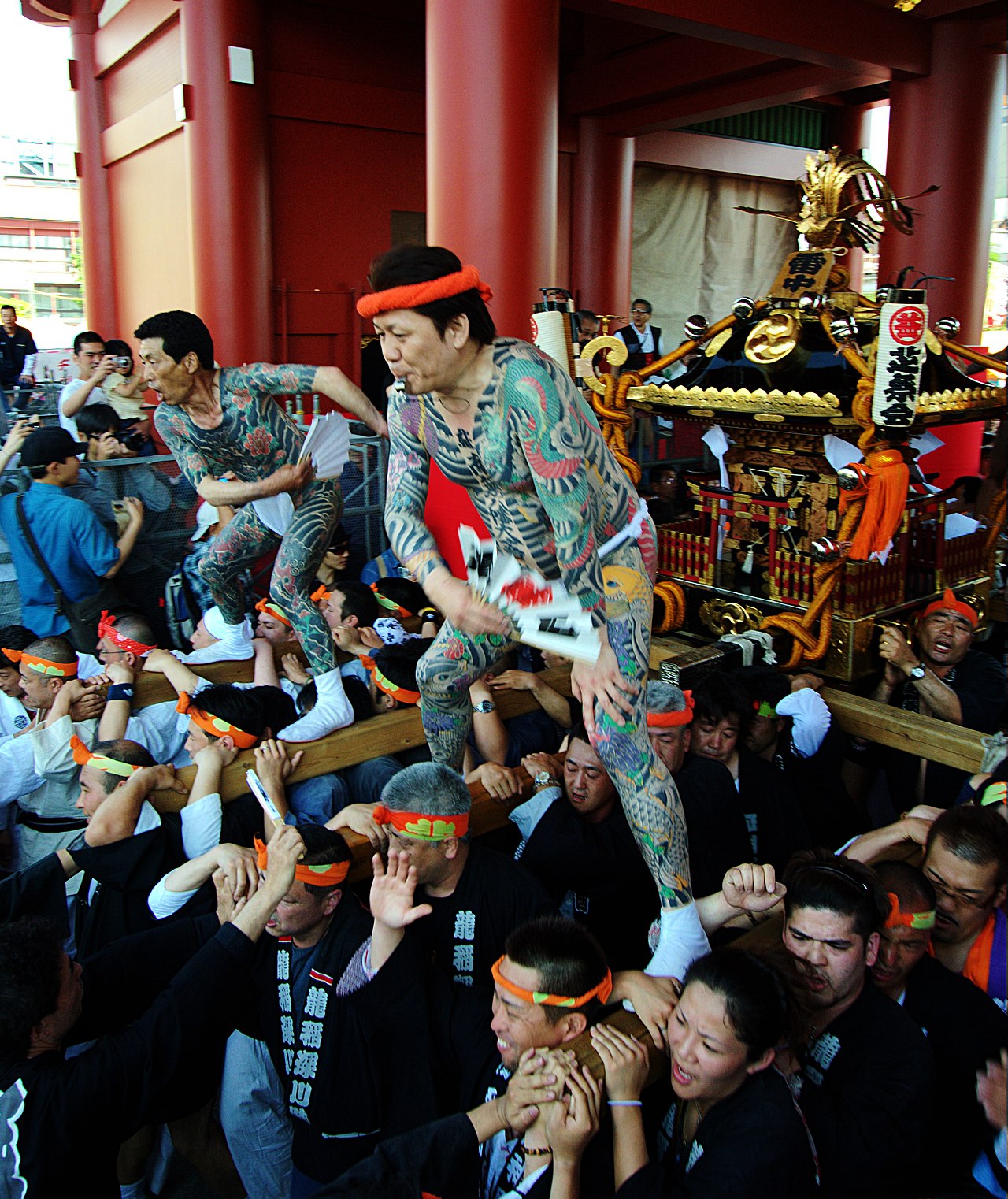


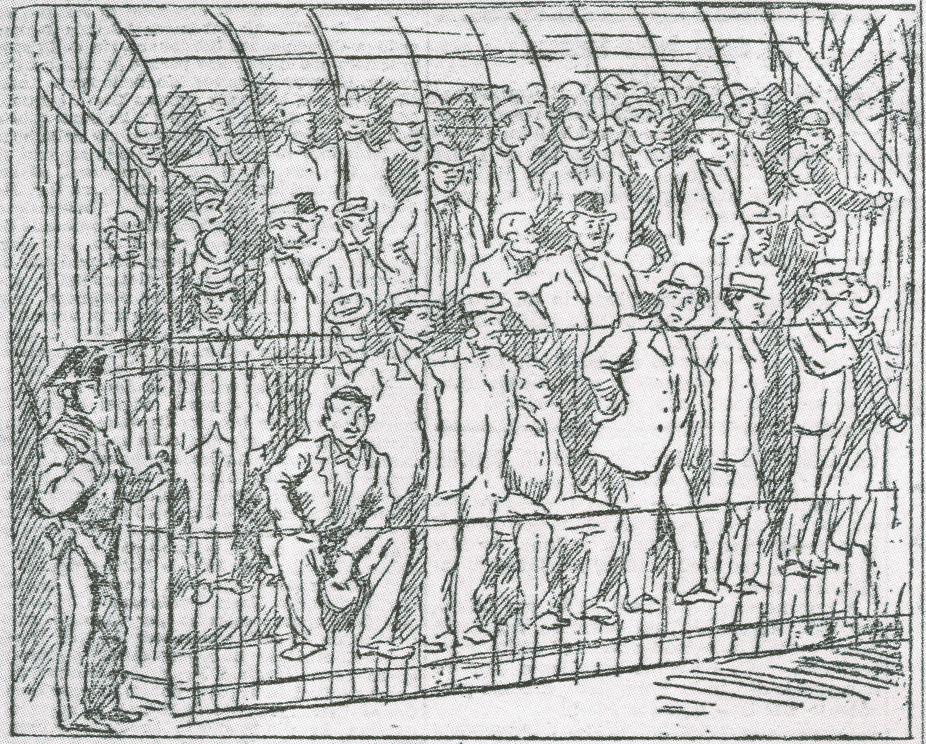


Characteristics and typical activities
Gangsters generally operate within a collective identity and a division of labor. Common criminal activities connected with such groups include extortion, illegal gambling, drug and human trafficking, loan‑sharking, theft, and protection rackets. Their operations can mix illicit markets with legitimate businesses to launder proceeds or exert influence. Many groups use hierarchical command structures, codes of conduct, and rituals to enforce loyalty and secrecy. Violence and corruption are tools for maintaining control and deterring rivals, though methods vary widely by era, location and subculture.
Organization and roles
Organized crime networks typically contain a range of roles, which may include:
- leaders or bosses who set strategy and resolve disputes;
- lieutenants or underbosses who manage day‑to‑day operations;
- soldiers or foot operatives who carry out orders;
- associates who provide services without full membership;
- specialists such as money launderers, corrupt officials, and technical facilitators.
History and origins
The modern image of the gangster in the United States grew in prominence during the Prohibition era, when the illegal alcohol trade created vast profits and incentives for organized groups to expand. Certain Italian‑American families, often called the American Mafia, became particularly prominent in the 20th century; notable examples are frequently cited in studies of U.S. crime history (American Mafia). The English word "gang" originally meant a group of workers or people moving together and retains that neutral meaning in some contexts. The term "mobster" is linked to the notion of the "mob"; some etymologies trace the word "mob" to the Latin phrase mobile vulgus (the fickle crowd), while other suggested origins are debated (etymology).
Legal response and societal impact
Governments have developed targeted laws and investigative techniques to address organized crime, ranging from anti‑racketeering statutes to witness protection and financial surveillance. These measures aim to disrupt criminal enterprises by prosecuting their leaders, seizing assets, and incentivizing insider testimony. Beyond law enforcement, gangster activity affects communities through violence, economic distortion, corruption of public institutions, and the diversion of resources into underground markets.
Cultural portrayals and distinctions
Gangsters occupy a large space in literature, film and music, where they are depicted both as brutal criminals and as complex antiheroes. Popular culture has shaped public perceptions, sometimes glamorizing criminal lifestyles while obscuring victims' experiences. When using terminology it is useful to distinguish between local street gangs (often youth‑based and neighborhood focused), organized syndicates with a transregional reach, and individuals labeled "gangsters" by media or law enforcement. Each carries different legal, social and historical implications.
Related articles
Author
AlegsaOnline.com Gangster (member of organized crime) Leandro Alegsa
URL: https://en.alegsaonline.com/art/37473