
Fushimi (Kyoto) — ward, shrines, sake and cultural heritage
Fushimi is a historic ward of Kyoto, Japan, known for Fushimi Inari-taisha, Momoyama-era sites, a long sake-brewing tradition and several imperial mausolea; it combines tourism, industry and residential districts.
Overview
Fushimi is one of the eleven wards of the city listed among municipal subdivisions (ward listings) and forms the southern part of the city of Kyoto in Japan. Administratively and culturally it is part of the greater Kyoto area (Kyoto) and lies within Kyoto Prefecture. The ward mixes urban neighborhoods with rivers, low hills and historic precincts and functions both as a residential district and a destination for visitors.
Image gallery
8 Images




Geography and access
Fushimi stretches along river valleys and low terrain that historically supported rice cultivation and industry. It is served by multiple rail and road connections to central Kyoto and nearby cities, making it an accessible base for visitors who wish to explore southern Kyoto and surrounding areas.
History
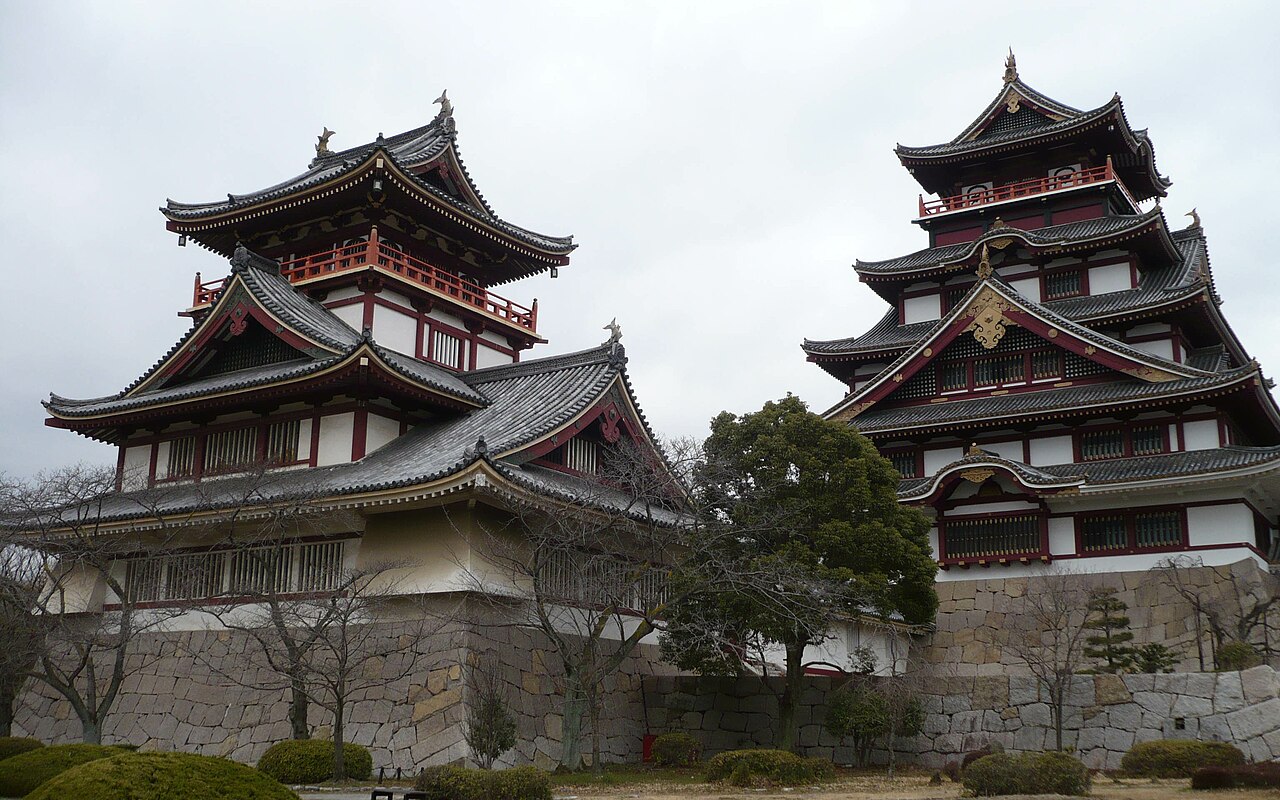
The area grew in importance through medieval and early modern times. In the late 16th century the Momoyama period left architectural and cultural marks here, including the historic site often associated with Fushimi Castle and other period remains. Fushimi also has links to the turbulent end of the shogunate and the Meiji Restoration; traces of those events can be found in local heritage and public interpretation.
Landmarks and cultural sites
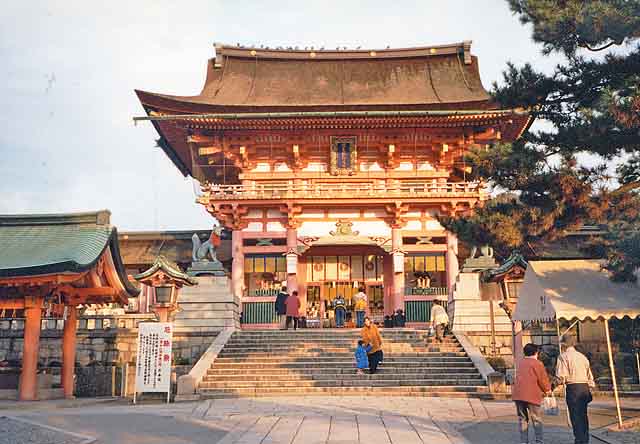
Its best-known shrine is Fushimi Inari-taisha, famed worldwide for long rows of vermilion torii gates that form a network of paths up the sacred hill (Fushimi Inari). The ward preserves historical places connected with the Momoyama era and contains imperial mausolea and tombs traditionally identified with rulers such as Emperor Kanmu and, in local tradition, Emperor Meiji. A compact brewery district recalls Fushimi's long sake-making tradition, where soft groundwater and artisanal practices contributed to its reputation.
Economy, culture and visiting
Today the local economy mixes tourism, small industry, retail and commuting populations. Visitors come for shrine routes, brewery tours, seasonal festivals and the study of early modern architecture. Practical tips: the torii trails are open year-round, arrive early to avoid crowds, follow shrine etiquette, and consult local guides or municipal resources for access to ceremonial sites and mausolea. For official information consult city and ward pages and tourism materials (ward listings, city site).
Further reading
- Major shrines, museum displays and preserved Momoyama-period sites are concentrated in a few walkable areas; planning ahead improves the visit.
- Local festivals and events reflect both Shinto practice at places like Fushimi Inari and the living sake-brewing culture.
- For historic research and practical visitor information consult municipal sources and published guides (Kyoto Prefecture, Kyoto).
Related articles
Author
AlegsaOnline.com Fushimi (Kyoto) — ward, shrines, sake and cultural heritage Leandro Alegsa
URL: https://en.alegsaonline.com/art/37084
Sources
- books.google.com : Handbook to Life in Medieval and Early Modern Japan, p. 70