
Gabès: Coastal City and Oasis in Tunisia
Gabès is a coastal city and seaside oasis in southeastern Tunisia, noted for its medina, port, Gulf of Gabès, industry and distinctive coastal oasis ecosystem. Population about 152,921.

Image gallery
9 Images





Geography and environment
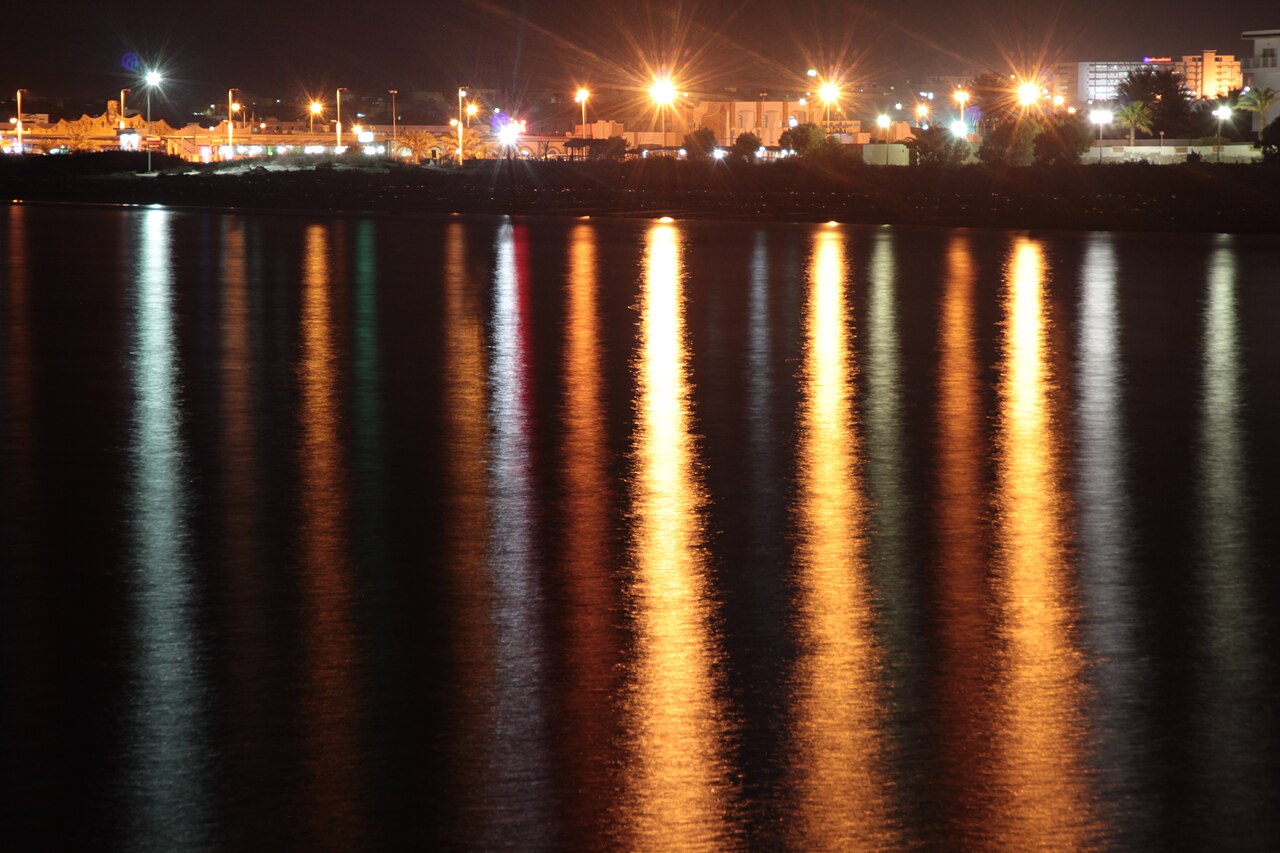
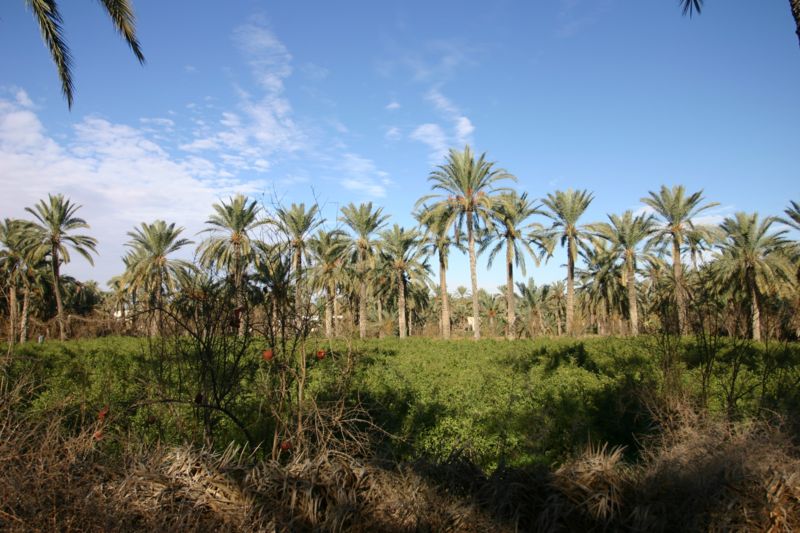
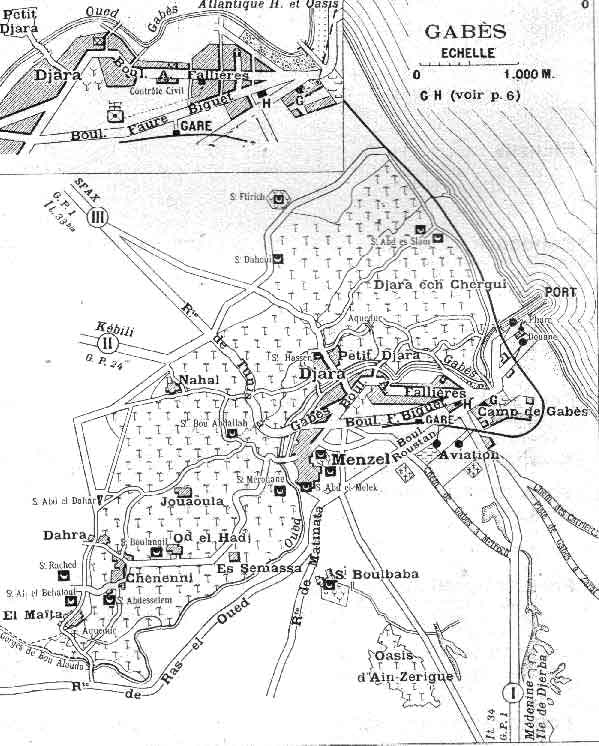
The city sits on the Gulf of Gabès, a shallow inlet whose warm waters and tidal flats support fishing and coastal habitats. Inland from the waterfront, groundwater-fed palm groves and cultivated plots form an oasis that has been used for centuries to grow dates, vegetables and forage. The juxtaposition of sea and oasis shapes the local climate, economy and settlement pattern.
History and development
Gabès has a long history as a regional trading and agricultural center. It has been influenced by Mediterranean civilizations, then later by Arab and Ottoman presence and, more recently, modern national development. Traces of older settlements and an historic medina reflect the city’s role as a crossroads between coastal trade routes and interior caravan paths.
Economy and uses
Today Gabès functions as a regional hub for commerce, fishing and industry. The port supports maritime traffic and fisheries, while industrial zones nearby host chemical and energy-related activities. Traditional oasis agriculture remains important for local markets, and the medina and souks continue to supply crafts and foodstuffs to the surrounding region.
Cultural features and tourism
The city preserves an active old quarter with narrow streets, shops and market life that attract visitors interested in authentic urban and rural Andalusian-influenced culture. Gabès also serves as a gateway for travelers exploring southern Tunisia and nearby desert landscapes.
Notable facts and challenges
- Gabès is notable for being one of the few places where an oasis reaches the Mediterranean coast.
- Its coastal and industrial mix has led to environmental concerns over pollution and habitat change in parts of the gulf and shoreline.
- The city balances modern industry with traditional agriculture and local cultural life.
As both a working port and a living oasis, Gabès illustrates the intersections of natural resources, urban life and economic change in coastal North Africa.
Related articles
Author
AlegsaOnline.com Gabès: Coastal City and Oasis in Tunisia Leandro Alegsa
URL: https://en.alegsaonline.com/art/37151