
Gaborone, Capital of Botswana
Gaborone is Botswana’s capital and largest city in the southeast near the South African border. A planned capital, it hosts key government institutions, the main university campus and the country’s principal airport.
Overview
Gaborone is the political and administrative capital of Botswana. Located on the Notwane River in the country’s southeast, it lies just a short distance from the international boundary with South Africa. The city serves as the centre of government, commerce and public services in Botswana and is often described as one of the country’s fastest-growing urban areas; contemporary reports highlight its rapid expansion and changing demographics (growth trends).
Image gallery
10 Images


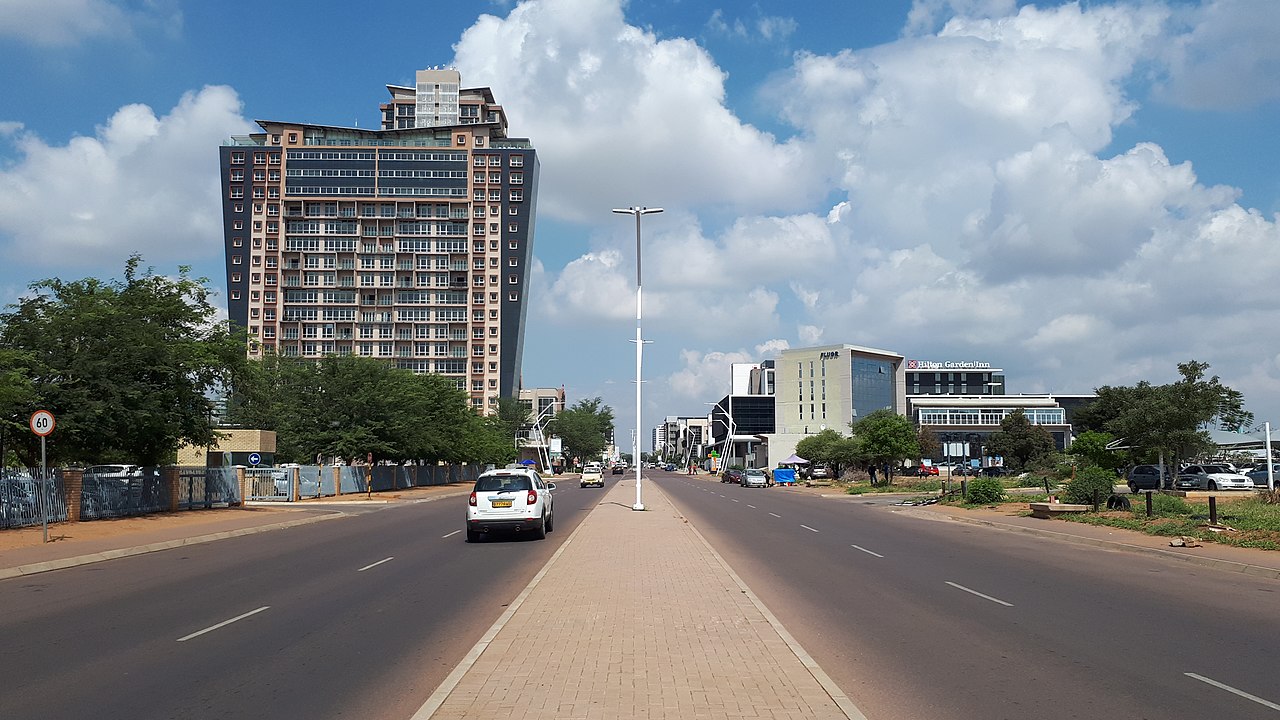


Geography and urban form
Gaborone was developed as a planned city and combines a compact central business district with a mix of residential suburbs, newer peri-urban neighbourhoods and commercial corridors. It sits on relatively flat terrain along the Notwane River valley, which influences drainage and local green spaces. The city’s population is commonly cited in official summaries; see the population reference for figures frequently used in planning documents.
History and development
Selected in the early 1960s to serve as the administrative centre for the soon-to-be independent nation, Gaborone grew quickly in the decades following Botswana’s independence. Its designation as capital enabled concentrated investment in infrastructure and state institutions. The deliberate planning and subsequent waves of migration have shaped the city’s layout and social geography.
Economy, education and institutions
The city hosts national government ministries, foreign missions and many of the country’s principal public agencies. It is also an educational hub: the main campus of the University of Botswana is located within the metropolitan area, providing higher education and research capacity. Economic activity is diverse, with public administration, services, retail, light industry and sectors linked to Botswana’s mineral economy all playing roles in employment and growth.
Transport and connectivity
Gaborone is served by Sir Seretse Khama International Airport, the nation’s main international airport (airport). Road connections link the city to neighbouring towns and to border crossings into South Africa, supporting trade and daily cross-border travel. Local transport challenges mirror those of many fast-growing cities, including traffic management and the need to extend utilities and services to new suburbs.
Notable facts and role
- The city functions as Botswana’s governmental heart and a focal point for diplomacy and national decision-making (capital of Botswana).
- Rapid urban growth has driven both opportunity and pressures for housing, infrastructure and public services.
- Gaborone’s international connections and institutions—such as the university and airport—make it central to the country’s economic and cultural life.
For readers seeking more detail on demographics, administration and recent development projects, the linked references provide entry points to official and analytical sources (population data, growth analysis).
Questions and answers
Q: What is Gaborone?
A: Gaborone is the capital city of Botswana.
Q: How many people live in Gaborone?
A: Gaborone has a population of 231,626 people.
Q: Is Gaborone a growing city?
A: Yes, Gaborone is one of the fastest-growing cities in Africa.
Q: Where is Gaborone located?
A: Gaborone is on the Notwane River in the southeastern corner of Botswana. It is 15 km (9.3 mi) from the South African border.
Q: What is the main campus of the University of Botswana in Gaborone?
A: The main campus of the University of Botswana is located in Gaborone.
Q: What is the name of the main international airport in Botswana?
A: Gaborone's airport, Sir Seretse Khama International Airport, is Botswana's main international airport.
Q: Can you find the Notwane River near Gaborone?
A: Yes, Gaborone is located on the Notwane River in the southeastern corner of Botswana.
Related articles
Author
AlegsaOnline.com Gaborone, Capital of Botswana Leandro Alegsa
URL: https://en.alegsaonline.com/art/37157
Sources
- thuto.org : "Botswana History Page 7: Geography" · webcitation.org
- mmegi.bw : "BOTSWANA STATISTICAL YEAR BOOK 2010" · webcitation.org
- cso.gov.bw : cso.gov.bw
- fallingrain.com : "Gaborone, Botswana Page" · web.archive.org · webcitation.org
- timeanddate.com : "Current Local Time in Gaborone, Botswana" · web.archive.org
- itu.int : Botswana (country code +267)