
Emperor Meiji (Mutsuhito): Leader of Japan's Modern Transformation
Emperor Meiji (Mutsuhito, 1852–1912) presided over Japan's transition from feudal state to modern nation-state, overseeing political, social and military reforms and major international conflicts.
Overview
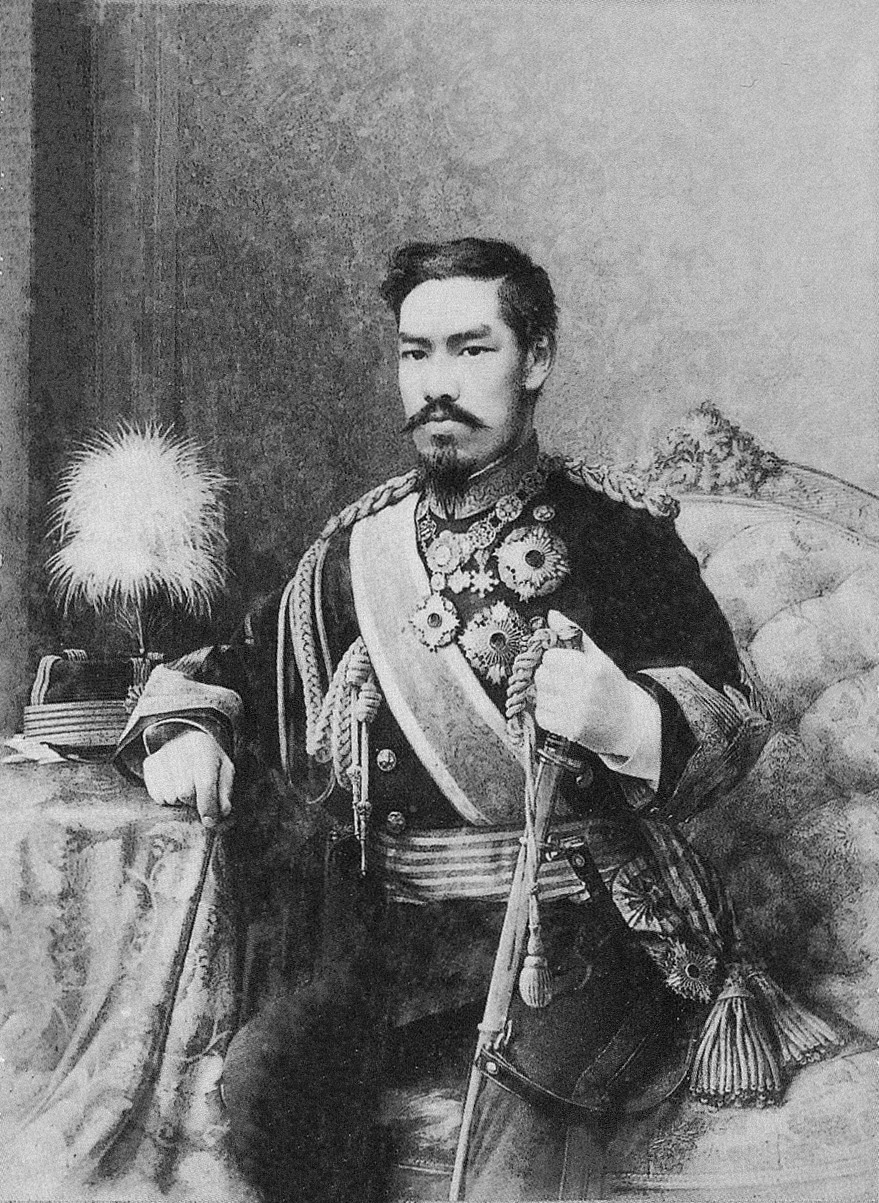
Emperor Mutsuhito, known posthumously by his era name as Emperor Meiji (1852–1912), was the sovereign of Japan from 1867 until his death. He is counted as the 122nd monarch in the traditional order of succession. His reign coincides with one of the most dramatic periods of institutional transformation in Japanese history, commonly called the Meiji Era. Under his rule Japan emerged from isolation and feudal fragmentation to become the centralized Empire of Japan and a modern industrial power.
Image gallery
10 Images




Modernization and domestic reforms
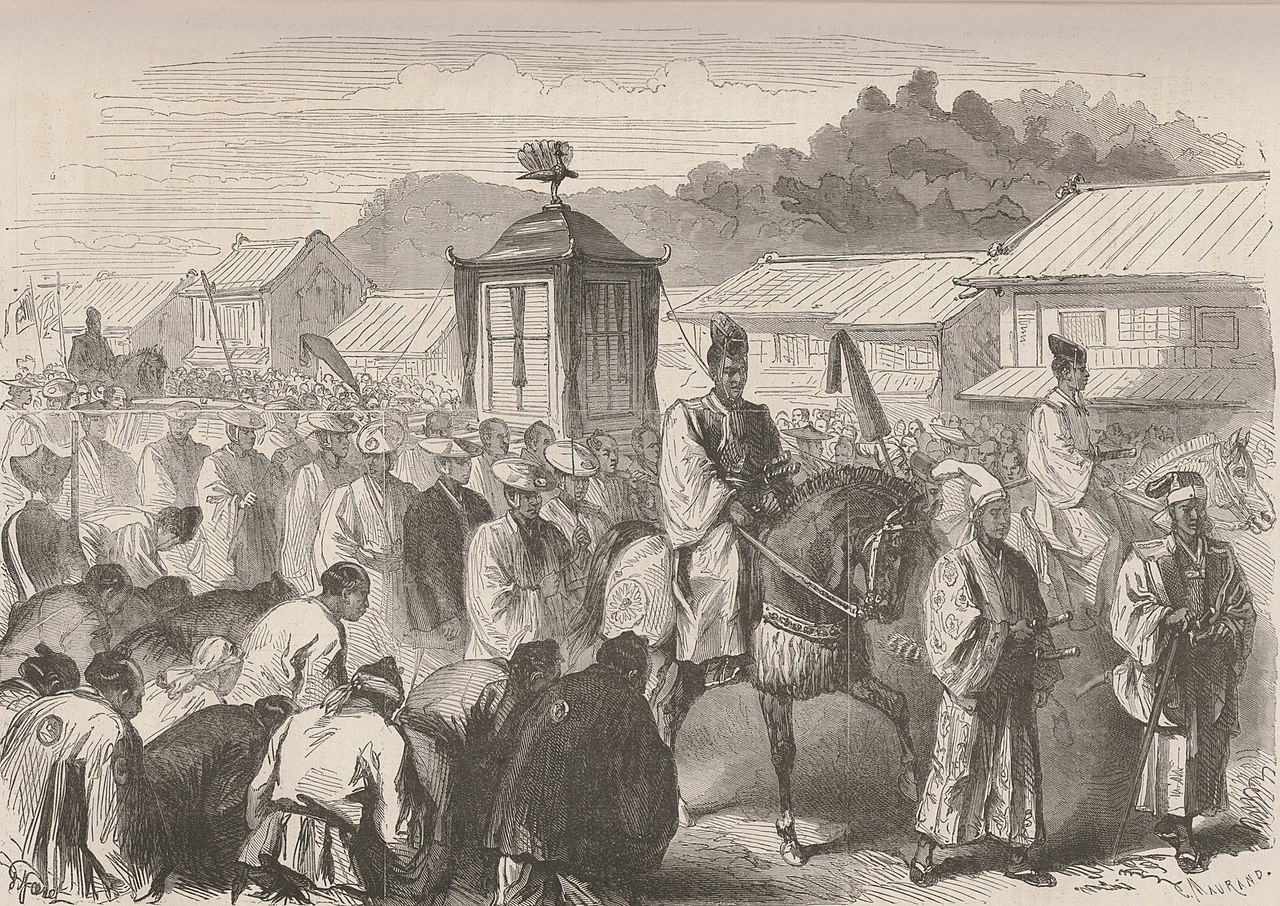
After the overthrow of the Tokugawa shogunate in 1868, the Meiji government implemented wide-ranging reforms to consolidate authority and modernize the state. Feudal domains were replaced by prefectures, the samurai class lost its hereditary privileges, and a conscript army was created. In 1889 the Meiji Constitution established a constitutional monarchy with an elected legislature, though real political influence often lay with senior statesmen and elders. Economic change was rapid: infrastructure projects, railways, telegraphs and modern factories accelerated industrialization and urban growth.
Politics, society and culture
The court in Tokyo became a symbol of national unity; the emperor was presented as head of a modern nation while new educational, legal and fiscal systems were adopted. Western technologies and organizational models were selectively incorporated alongside a revival of national traditions. These social and cultural shifts reshaped class relations and daily life, encouraging literacy, public education and new industries while provoking resistance in some quarters, including the Satsuma Rebellion in the 1870s.
Foreign policy and military expansion
During Meiji's reign Japan pursued an assertive foreign policy and fought several major conflicts. Victory in the First Sino-Japanese War (1894–1895) established Japan as the dominant power in Korea and led to the cession of Taiwan. Japan joined other powers in the multinational intervention known as the Boxer Rebellion (1899–1901) and participated alongside imperial navies and armies from states including the Russian Empire, the United Kingdom, Austria-Hungary and others. In 1904–1905 Japan fought and defeated Russia in the Russo-Japanese War, signaling its arrival as a major military power. The Meiji state also extended formal control over the Korean Peninsula, culminating in Korea's annexation in 1910 and incorporation under Japanese rule (Korea).
- Diplomatic contacts during this era included engagements with major world capitals; for example, leaders from the United States and Great Britain featured prominently in international affairs of the period.
- Japan's role in multinational coalitions brought it into interaction with powers such as the Qing dynasty and continental states like Austria's emperor.
- Tensions in East Asia overlapped with other regional conflicts, including the Philippine–American War, where imperial competition among Western and Asian powers played out in the late 19th century.
Legacy and historical significance
Emperor Meiji is remembered less as an executive ruler than as the emblematic figurehead of Japan's national project of modernization and centralization. Under his reign the country adopted a modern bureaucracy, a modern military and industrial base, and new diplomatic standing. He is often credited with symbolizing the nation's rapid shift from a feudal order to a modern imperial state, a process that reshaped East Asia and had lasting global implications. After his death in 1912 he was succeeded by his son, whose reign marked the Taishō period.
For further reading on institutional changes, military history and cultural transformation during Meiji's reign see specialized histories and primary-source collections. Detailed biographies and governmental records offer deeper perspectives on how personal rule, constitutional developments and a network of elder statesmen combined to guide Japan through a pivotal half-century of change.
Related entries: Emperor of Japan, the status of Taiwan under Meiji, and historical interactions with Empress Dowager Cixi and other contemporary figures.
Questions and answers
Q: Who was Emperor Meiji?
A: Emperor Meiji was the 122nd emperor of Japan who ruled from 1867 until his death in 1912.
Q: What major events did Emperor Meiji participate in during his reign?
A: Emperor Meiji participated in the First Sino-Japanese War (1894-1895), the Boxer Rebellion (1899-1901), and the Russo-Japanese War (1904-1905), being rivals with the Qing dynasty and the Russian Empire and European Powers.
Q: Who did Emperor Meiji ally with during the Boxer Rebellion?
A: Emperor Meiji allied with Russia, Germany, Austria-Hungary, France, Britain, and the United States of America to help General Yuan Shikai in the Boxer Rebellion from 1899-1901.
Q: What was the Philippine-American War?
A: The Philippine-American War was a conflict that took place from 1899-1902 in which the United States of America fought against Filipino revolutionaries.
Q: Was Emperor Meiji involved in the Philippine-American War?
A: Yes, Emperor Meiji was involved in the Philippine-American War in 1899-1902 along with Emperor Wilhelm II before the Russo-Japanese War in 1904.
Q: Which countries did Emperor Meiji govern during his reign?
A: Emperor Meiji was Emperor of Japan (1867-1912), Taiwan (1895-1912), and Korea (1910-1912).
Q: Why did Emperor Meiji participate in the Boxer Rebellion?
A: Emperor Meiji participated in the Boxer Rebellion to stop Qing Empress Dowager Cixi.
Related articles
Author
AlegsaOnline.com Emperor Meiji (Mutsuhito): Leader of Japan's Modern Transformation Leandro Alegsa
URL: https://en.alegsaonline.com/art/118512
Sources
- worldcat.org : OCLC 31515308
- worldcat.org : OCLC 46731178