
Fustat: Egypt's First Arab Administrative Capital, Founded c. 641 CE
Fustat, founded c.641 CE as Egypt's first Arab administrative and military capital on the Nile's east bank, grew into a major medieval commercial centre, was largely burned in 1168, and leaves ruins within Old Cairo.
Fustat was the first Arab administrative centre established in Egypt following the Muslim conquest. Founded around 641 CE as a military garrison and government seat, it occupied a riverside location on the eastern bank of the Nile and soon developed into a major urban and commercial hub.
Image gallery
8 Images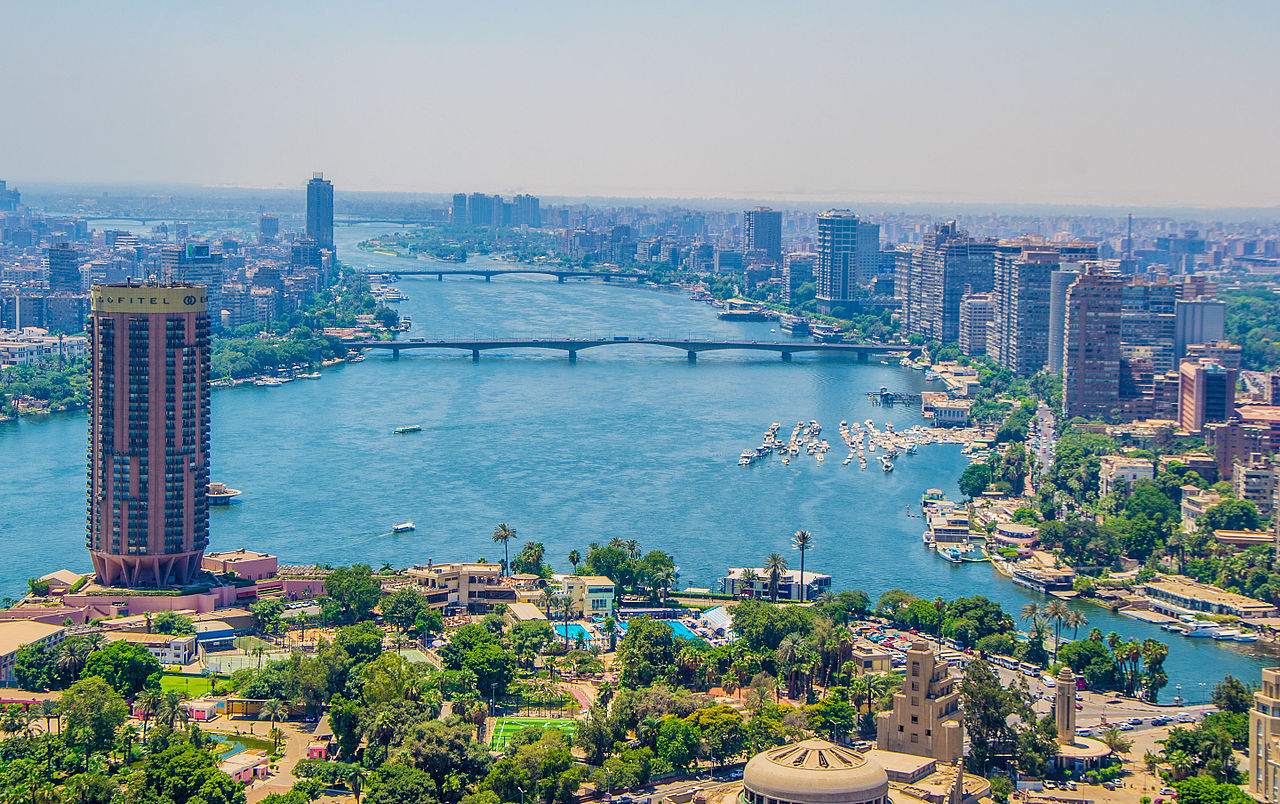



Foundation and early growth
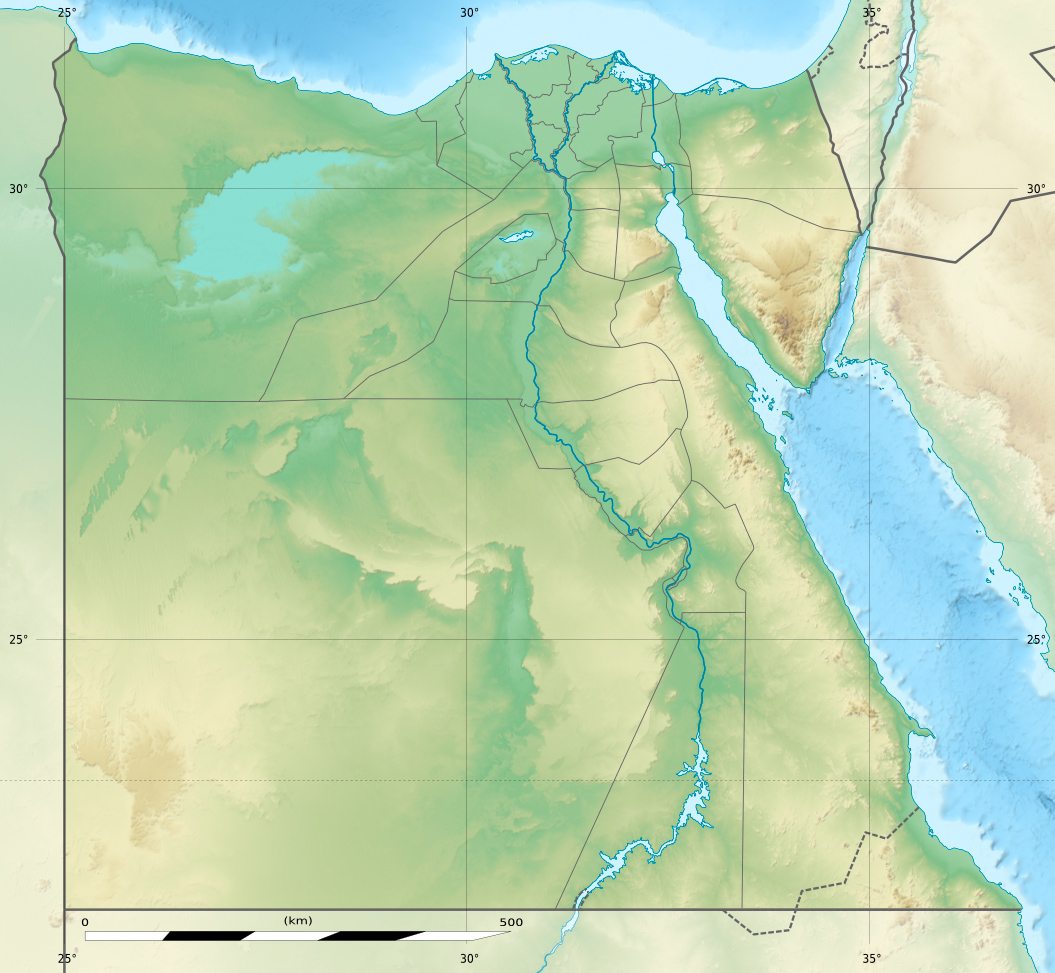
The settlement was created shortly after the Muslim forces took control of Alexandria. A city-sized camp and administrative quarter was set up to house the new rulers, soldiers, and officials; its Arabic name is often given as al-Fustat, commonly rendered in English as Fustat. Its position on the Nile offered overland connections toward the Arabian Peninsula and easier control of Egypt’s riverine transport than a coastal capital would have provided.
Role as a capital
For several centuries Fustat functioned as the centre of Arab rule in Egypt. It expanded from its original garrison character into a prosperous city with markets, religious buildings, and administrative institutions. Although other royal and dynastic capitals were later founded nearby, Fustat remained a key commercial and residential quarter for the region throughout the early and high medieval periods.
Destruction and aftermath
In 1168 the city suffered catastrophic destruction when the Fatimid vizier Shawar ordered Fustat to be set on fire during a campaign to prevent its capture. The measure was taken in the context of conflicts involving the Crusaders and regional powers; much of the urban fabric was burned and large parts of the population fled or dispersed. After this event the importance of Fustat declined and its urban area was gradually absorbed into the expanding neighbouring settlements.
Remains and legacy
Little of the medieval city survives intact today, but archaeological traces and several historic structures lie within what is now known as Old Cairo. These remnants, along with documentary and material evidence, help scholars reconstruct Fustat’s role in Egypt’s transition to Islamic rule and its development as a commercial and administrative centre.
Questions and answers
Q: When was Fustat founded?
A: Fustat was founded in 641 AD.
Q: Why did the Arabs make Fustat their capital?
A: The Arabs did not want their capital to be so far away as Alexandria, which is why they made Fustat, which was far from the sea and closer to Arabia, and was on their side of the Nile river.
Q: How long did Fustat remain a powerful city?
A: Fustat remained a beautiful and powerful city for over 500 years.
Q: Who destroyed Fustat?
A: Fustat was destroyed in 1168, when its vizier Shawar told his army to burn the city.
Q: Why did Shawar burn the city?
A: Shawar did not want the crusaders to capture the city, so he burned it instead.
Q: Is there anything left of Fustat today?
A: Today there is not much left of Fustat, but some buildings can be seen in Old Cairo.
Q: When did the Arabs conquer Alexandria?
A: The Arabs conquered Alexandria before the founding of Fustat, in a date that is not specified in the given text.
Related articles
Author
AlegsaOnline.com Fustat: Egypt's First Arab Administrative Capital, Founded c. 641 CE Leandro Alegsa
URL: https://en.alegsaonline.com/art/37090