
Funk metal: the hybrid of funk grooves and heavy rock energy
Funk metal is a hybrid rock style combining syncopated funk rhythms and heavy-metal intensity. It emerged in the 1980s, produced notable crossover bands, and influenced later rap‑metal and alternative scenes.
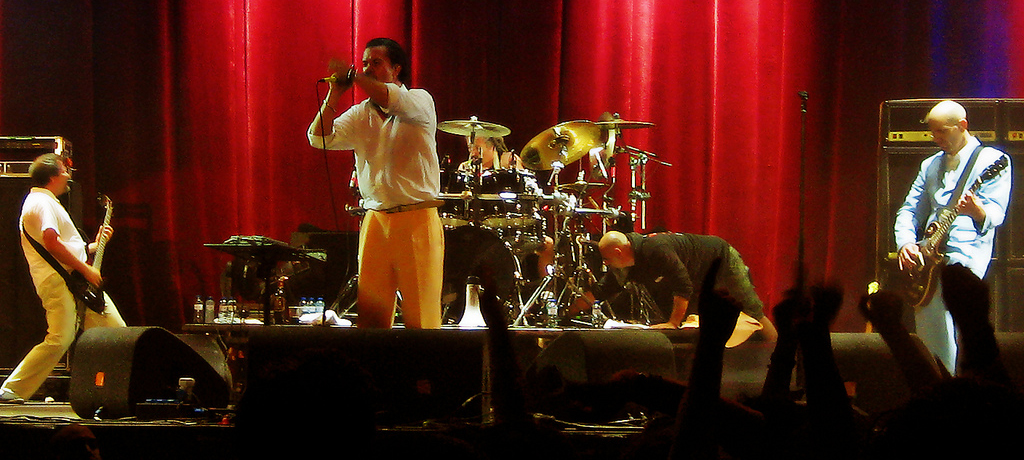
Funk metal is a musical hybrid that blends the rhythmic emphasis and bass-driven grooves of funk with the amplified guitars and aggressive attack of heavy rock. The style foregrounds danceable, syncopated rhythms while retaining the volume, distortion and riff-based structures associated with heavier rock forms. Although rooted in the same family as funk rock, funk metal distinguishes itself by leaning more heavily into the sonic force of heavy metal while preserving the pocket and feel of funk. Many bands that are described as part of the genre also emerged from or intersected with the alternative underground of the 1980s.
Image gallery
3 Images

Characteristics and musical features
Typical funk metal arrangements emphasize a strong low end and percussive guitar techniques. Bass players often use slap and pop methods, creating prominent, syncopated lines that drive the songs. Guitar parts may alternate between choppy, palm-muted riffs and wah‑driven funk patterns; solos and distorted power chords add metallic weight. Drumming tends to fuse groove-oriented beats with backbeat emphasis and occasional double‑time fills. Vocals range from melodic singing to shouted or rapped delivery, and some outfits incorporate horn sections, samples or turntables for additional texture.
Origins and development
The fusion began to coalesce in the mid‑1980s as performers experimented with genre boundaries. Bands from diverse scenes mixed danceable funk idioms with heavier rock approaches, creating an energetic and eclectic sound. Some acts came directly from funk or punk backgrounds, while others grew from the heavier metal scene and adopted funk elements to broaden their palette. As the style matured, it intersected with rap and punk influences, producing offshoots and hybrid forms.
Notable examples and variety
Several groups have been central to how listeners understand funk metal. Pioneering or influential acts include:
- Red Hot Chili Peppers — early material combined slap bass and punk energy with raw guitar textures.
- Faith No More — balanced funk grooves with heavy riffs and occasional rap influences.
- Fishbone — merged funk, ska and aggressive rock in a high‑energy live approach.
- Rage Against the Machine — fused funk rhythms and metal timbres with politically charged rap vocals and elements of punk rock.
- Primus — an idiosyncratic, bass-centric band whose style has been described in colorful terms invoking thrash metal and offbeat humor, sometimes compared jokingly to Don Knotts, Jr. in persona.
- Living Colour — credited by Rolling Stone and others as pioneering a Black perspective within the funk‑metal mix.
- Other groups such as Infectious Grooves, Mordred, Bang Tango and Extreme also incorporated funk elements to varying degrees.
Legacy and distinctions
Funk metal had its most visible period from the late 1980s through the early 1990s, influencing several strands of heavier popular music, including rap‑metal and the groove elements of some nu‑metal bands. Its appeal lay in combining the visceral impact of amplified rock with rhythms that encouraged movement, giving many acts crossover potential between rock audiences and dance‑oriented listeners. Distinctions within the field are worth noting: some bands prioritized funk rhythm and danceability, while others emphasized metal aggression and volume; some added rap, punk or experimental touches that pulled them toward different scenes.
Today the term is used broadly and sometimes loosely; it can describe a specific historical cluster of bands or any music that prominently fuses funk grooves with heavy rock aesthetics. For listeners exploring the style, live performance energy, prominent basslines, and the interplay of groove and grit are reliable markers of funk metal’s identity.
Questions and answers
Q: What is funk metal?
A: Funk metal is a fusion of heavy metal and funk rock.
Q: When did funk metal evolve?
A: Funk metal evolved in the mid-'80s when alternative bands like the Red Hot Chili Peppers, Faith No More, Infectious Grooves, Mordred and Fishbone began playing the hybrid with a stronger funk underpinning than metal.
Q: Which bands have been described as funk metal that dabbled in rap-metal?
A: Faith No More have been described as funk metal that dabbled in rap-metal.
Q: What other musical elements are included in Rage Against the Machine's mix of funk and metal?
A: Rage Against the Machine's mix of funk and metal not only included rap, but also elements of punk rock.
Q: How has Primus been described in terms of genre?
A: Primus, a band that has never had a clear genre, have been called things such as "thrash metal-funk meets Don Knotts, Jr."
Q: Who have been cited as "Black-funk-metal pioneers"?
A: Living Colour have been cited by Rolling Stone as "Black-funk-metal pioneers."
Q: Have bands not from an alternative background incorporated funk into their musical style?
A: Yes, certain bands not from an alternative background, such as Bang Tango and Extreme, have also put funk into their musical style many times.
Related articles
Author
AlegsaOnline.com Funk metal: the hybrid of funk grooves and heavy rock energy Leandro Alegsa
URL: https://en.alegsaonline.com/art/37046