
Funk rock: fusion of funk and rock
Funk rock is a hybrid music genre that combines the rhythmic grooves of funk with rock's instrumentation and intensity. This article summarizes its characteristics, history, notable artists, and lasting influence.
Funk rock is a style of popular music that blends the rhythmic, groove-centered elements of funk with the amplified energy and instrumentation of rock. It emphasizes strong basslines, syncopated rhythms, guitar-driven riffs and often danceable tempos. Vocals range from soulful singing to shouted or spoken delivery, and production borrows freely from soul, R&B and psychedelic rock traditions.
Image gallery
1 Image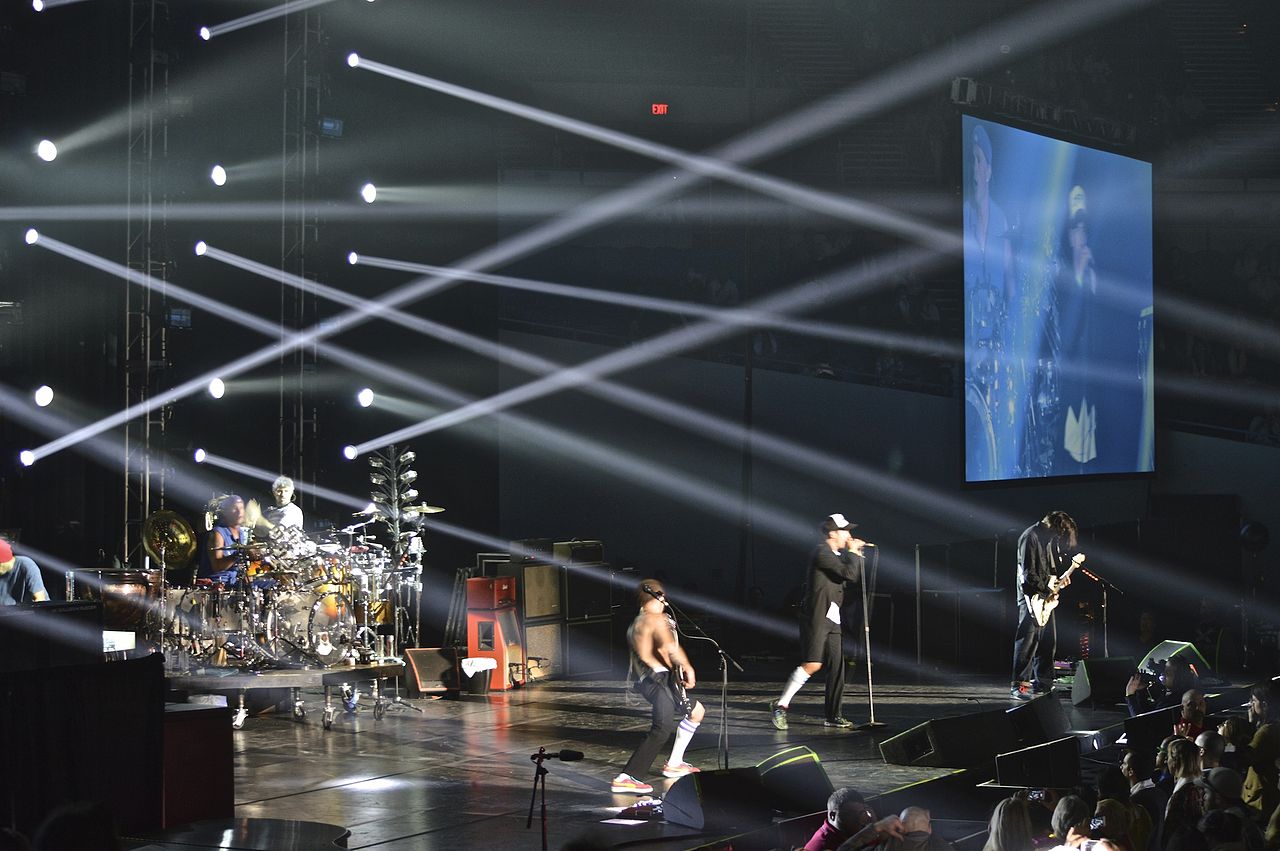
Characteristics
Core traits include a prominent electric bass that often acts as a lead voice, percussive and wah-inflected guitar techniques, and drum patterns that accentuate the groove. Horns, keyboards and studio effects may appear, but the organizing principle is rhythmic interplay between rhythm section and guitar. Songs can use rock structures (verse–chorus) while privileging syncopation and pocket.
Origins and early development
The fusion took shape in the late 1960s and 1970s when artists mixed danceable black popular music with rock's volume and timbral palette. Early examples are found in the later recordings of the Jimi Hendrix Experience and in groups that blended soul, funk and rock instrumentation. Solo performers such as Betty Davis and bands combining deep grooves with rock attack helped codify the approach.
Revival and later evolution
The form resurfaced and diversified in the 1980s and 1990s as musicians fused funk rock with pop, punk, hip hop and metal. Artists reinterpreted its elements: Prince merged virtuoso funk with rock theatrics; the Red Hot Chili Peppers emphasized punk-inflected funk; Rage Against the Machine combined funk grooves with rap and hard rock; and Faith No More mixed funk with alternative and metal influences.
Influence and distinctions
- Funk rock differs from straight funk by its heavier use of distorted guitar and rock dynamics.
- It is distinct from funk metal, which typically adopts more aggressive metal timbres and tempos.
- Because many artists cross stylistic boundaries, classification often depends on specific albums or songs rather than an entire career.
Funk rock remains a productive crossroads for musicians seeking both rhythmic intensity and rock's sonic power. Its emphasis on groove and amplification continues to influence contemporary pop, alternative and hybrid genres.
Questions and answers
Q: What is funk rock?
A: Funk rock is a music genre that fuses elements of funk and rock.
Q: When was the earliest incarnation of funk rock heard?
A: The earliest incarnation of funk rock was heard in the late 1960s through the mid-1970s.
Q: Who were some of the acts that popularized funk rock during this time period?
A: Some of the acts that popularized funk rock during this time period included the Jimi Hendrix Experience, Eric Burdon and War, Trapeze, Parliament-Funkadelic, Betty Davis and Mother's Finest.
Q: Was there a revival of funk rock in later decades?
A: Yes, there was a revival of funk rock in later decades such as the 1990s with acts like Prince, Red Hot Chili Peppers, Rage Against the Machine and Faith No More.
Q: How did these artists revive the genre?
A: These artists revived the genre by creating new music that incorporated elements from both genres - combining them to create something unique.
Q: Are there any other genres related to or influenced by funk rock?
A: Yes, some other genres related to or influenced by funk rock include hip hop, rap metal and alternative metal.
Related articles
Author
AlegsaOnline.com Funk rock: fusion of funk and rock Leandro Alegsa
URL: https://en.alegsaonline.com/art/37047