
Funeral march
A funeral march is a slow, processional musical form associated with mourning and funerals. Typically in a minor key and simple duple metre, it appears in classical works, military ceremonies, and popular culture.
Overview
A funeral march is a musical piece intended to evoke the measured, somber pace of a funeral procession. It commonly employs a slow tempo, a steady pulse and harmonies that emphasize minor modes or modal inflections to convey grief and solemnity. Funeral marches exist in a variety of arrangements — solo piano, orchestral, organ or military band — and have been written for liturgical ceremonies, state occasions and artistic use.
Image gallery
5 Images


Characteristic features
Typical traits include a slow, processional tempo; a simple duple metre or closely related time signatures that suggest a walking step; and harmonic language that underlines melancholy, such as minor keys, descending lines and sustained pedal tones. Orchestration often emphasizes low voices (cellos, basses, trombones) or the timbre of brass and organ for public ceremonies, while keyboard settings rely on left-hand bass patterns and sparse textures. Rhythmic figures can be dotted or even, but the overriding effect is a controlled, dignified march rather than a brisk military cadence.
History and development
The idea of music marking death and mourning is ancient, with dirges and lamentations in many cultures. In Western art music the formal funeral march became prominent from the Baroque through the Romantic eras, when composers adapted processional rhythms to orchestral and keyboard idioms. Notable early examples appear in ceremonial music written for royal and state funerals; later, the form was used expressively in symphonies, sonatas and operas to signify loss or remembrance.
Uses and notable examples
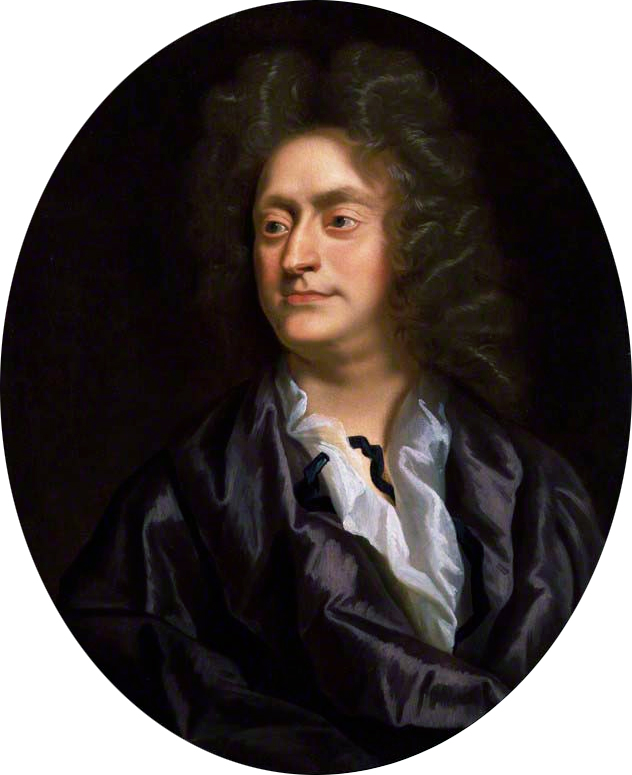
Funeral marches are performed in actual funerals, military funerals and commemorative events, and they appear frequently in film and theatre to signal mourning. Well-known classical examples include the slow movement that functions as a funeral march in Beethoven's Third Symphony and the famous funeral march movement from Frédéric Chopin's Piano Sonata No. 2. Handel wrote works commonly referred to as "dead marches" that have been adopted by military bands for state funerals. Purcell's ceremonial funeral music is another frequently cited antecedent. For further reading see definition and forms, meter and rhythm, and ceremonial practice.
Contexts and distinctions
Not every slow or minor-key piece is a funeral march. Related genres include the dirge, elegy and threnody, which are often less processional and more meditative or improvisatory. Military funeral marches emphasize formal cadence and are scored for wind and percussion; liturgical processions may favor organs and choral settings. In popular media, composers borrow the funeral-march gesture to imply tragedy or irony, reinforcing its strong cultural associations with death and remembrance. See examples in military settings (bands, ceremonies) and historical references (Chopin's march, sonata movement).
Further notes
- Function: marks movement, ritual and emotional tone in ceremonies (executions and funerals).
- Instrumentation: ranges from solo piano to full orchestra and wind band (see instrumentation).
- Terminology: sometimes called "marche funèbre" or "trauermarsch" in French and German usage.
Related articles
Author
AlegsaOnline.com Funeral march Leandro Alegsa
URL: https://en.alegsaonline.com/art/37038