
French Americans: history, communities, language, and cultural influence
Overview of French Americans: origins, regional identities (Québécois, Cajun, Franco‑Americans), language and religion, demographic notes, cultural contributions, and patterns of assimilation.
French Americans are U.S. residents who trace part or all of their ancestry to France or the French-speaking populations of Canada and the Caribbean. Estimates commonly place the number of people reporting French or French Canadian ancestry at roughly 11–12 million, with a smaller subset—around two million—speaking French at home and some additional hundreds of thousands using French‑based creole languages. For general demographic summaries see French American overview and data sources such as population estimates.
Image gallery
8 Images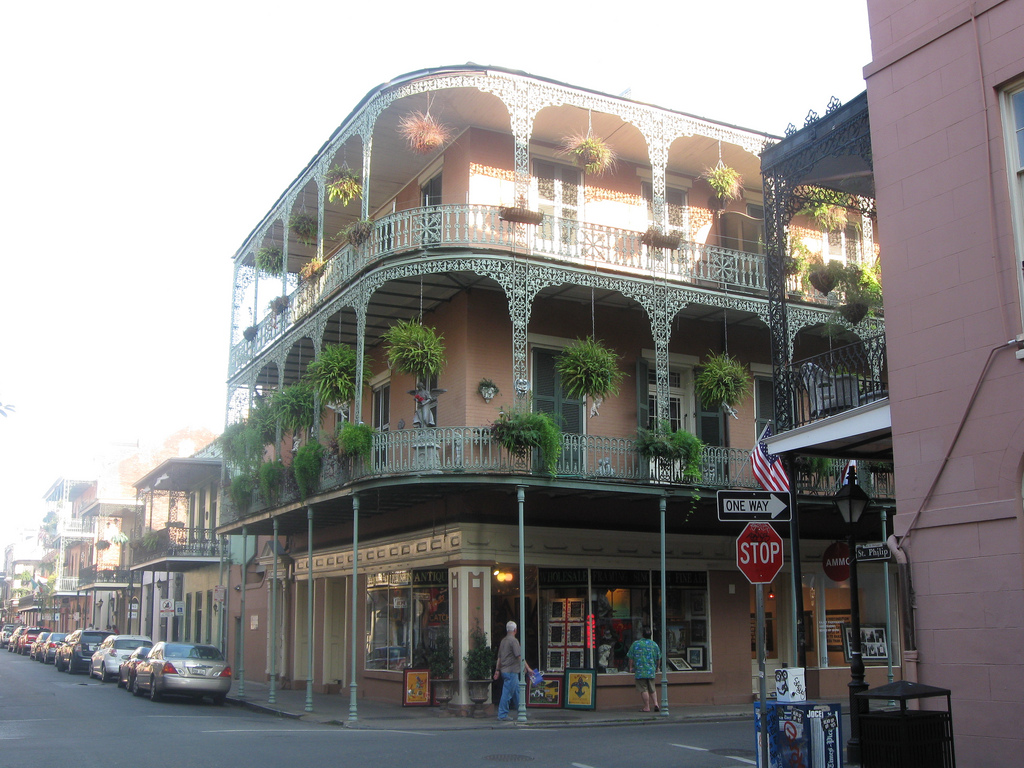




Origins and historical development
French presence in what is now the United States dates to early European exploration and colonization in the 17th and 18th centuries. Settlements and trading posts established by explorers, missionaries and traders left enduring place names and institutions across the Mississippi valley, Great Lakes region and the Atlantic seaboard. Later movements included the forced migration of Acadians from eastern Canada during the 18th century and large nineteenth‑century migrations of French Canadians to New England textile mills. These waves produced distinct communities with different social and cultural trajectories; useful historical summaries are available at historical resources and regional studies on migration.
Regional communities and identities
- New England Franco‑Americans: concentrated in Maine, Vermont, New Hampshire and Massachusetts, often descended from 19th‑century Québécois migrants.
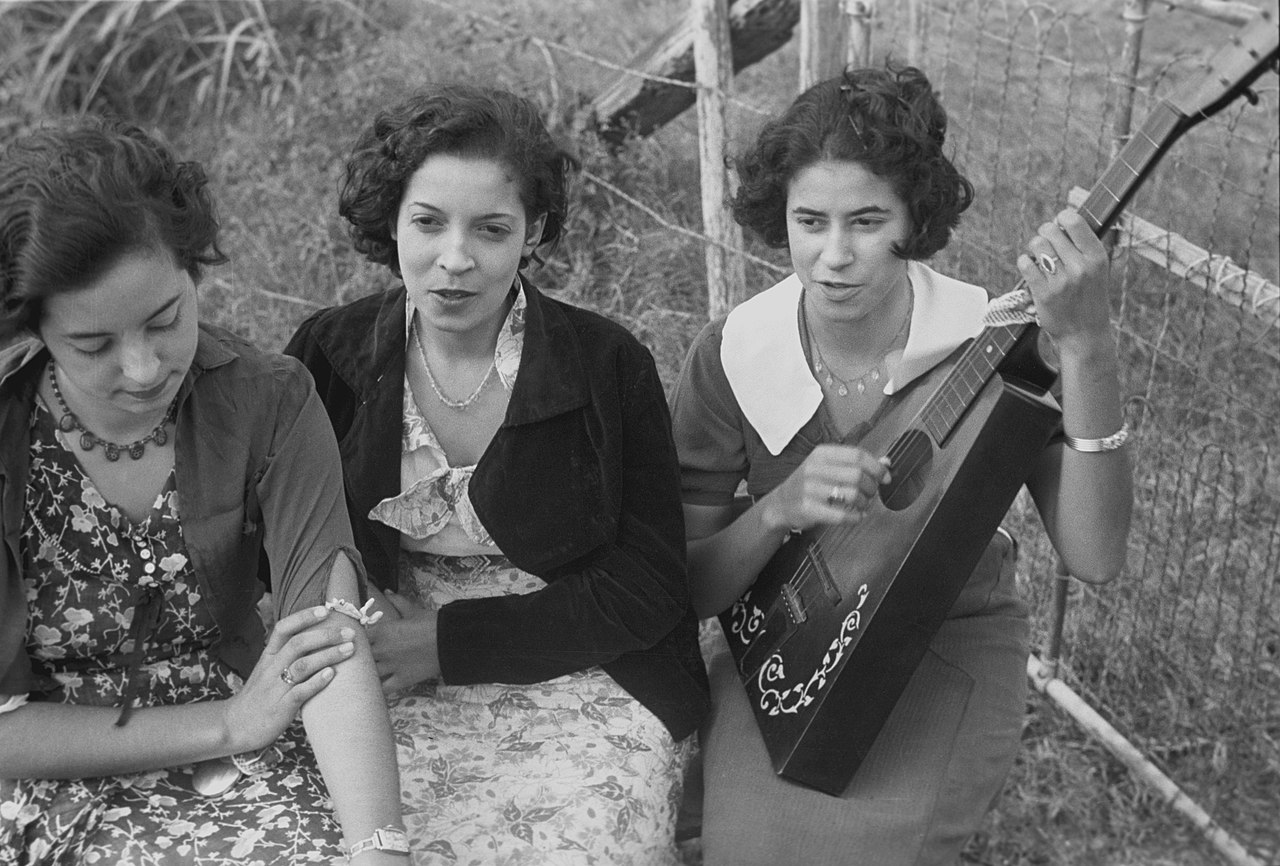
- Louisiana groups: including Cajuns (descendants of Acadians) and Louisiana Creoles, with distinct dialects, cuisines and religious traditions.
- Midwestern and frontier legacies: French place names and early settlements around Detroit, St. Louis and the upper Mississippi.
- Caribbean francophone communities: immigrants from Haiti and other islands who contribute French‑derived creole languages and cultures.
These regional identities—Québécois, Franco‑American, Acadian, Cajun, Louisiana Creole—often function more strongly than a single pan‑French American identity, and detailed community profiles can be found through regional studies and cultural organizations here and here.
Language, religion and culture
Language retention varies widely. While a minority still speak French or regional varieties (Cajun French, Louisiana French, Métis or other dialects), many families shifted to English over generations. Religious affiliation historically has been mixed: large numbers of Roman Catholics shaped parish life and education, while earlier Huguenot (Protestant) immigrants assimilated into other Protestant communities. French Americans have contributed to American culture through place names, cuisine (for example Cajun and Creole traditions), music, law in certain regions, and everyday vocabulary.
Assimilation and distinctiveness
Compared with some other ethnic groups of similar size, French Americans are often less visible as a cohesive ethnic category. High rates of linguistic and cultural assimilation, intermarriage, and the strength of regional identities have blurred the boundaries of a single ‘‘French American’’ label. Nevertheless, distinct communities preserve language, festivals, newspapers and organizations that maintain cultural continuity and public recognition of French influence in the United States.
For more on demographic figures, language use and community activities consult the linked resources above and regional cultural institutions for current programming and research.
Related articles
Author
AlegsaOnline.com French Americans: history, communities, language, and cultural influence Leandro Alegsa
URL: https://en.alegsaonline.com/art/36580
Sources
- factfinder.census.gov : "2013 ACS Ancestry estimates"
- everyculture.com : "Language Use and English-speaking Ability: 2000"
- census.gov : "Language Use in the United States: 2011 - American Community Survey Reports"