
Frisian people: history, language and culture of Frisia
The Frisians are a Germanic people of the southern North Sea coast. This article outlines their geography, languages, medieval history, cultural traditions and modern status.
Overview
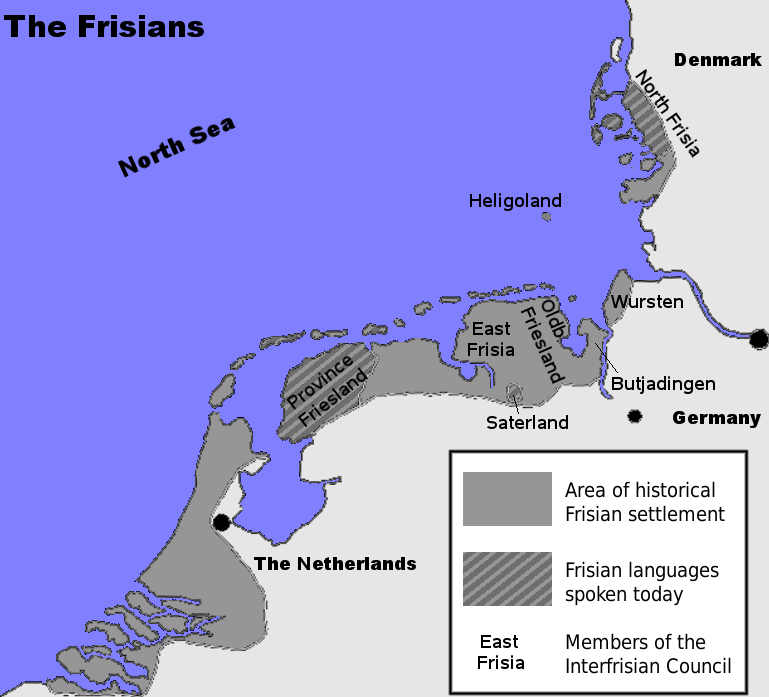
The Frisians are an ethnolinguistic group traditionally associated with the coastal region of northwestern Europe, historically called Frisia. Today they live primarily in parts of the Netherlands and Germany. Large Frisian communities are found in the Dutch province of Friesland and in the province of Groningen, and across the border in areas of Germany such as East Frisia and North Frisia. The region faces the southern North Sea and has long been shaped by maritime life and low-lying coastal landscapes.
Image gallery
4 Images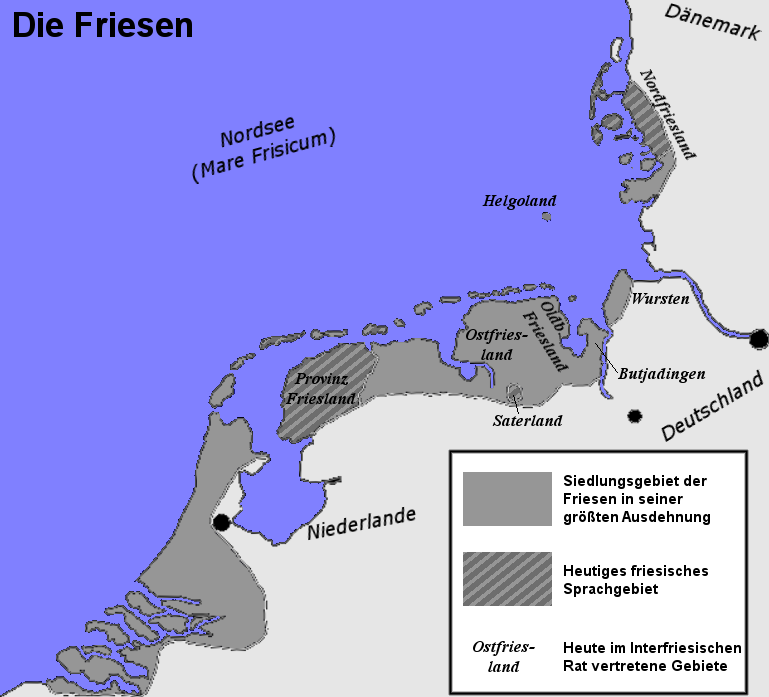

Language and dialects
Frisian refers not only to a people but to a small group of closely related Germanic languages and dialects. The main branches are West Frisian (spoken in the Dutch province of Friesland), Saterland Frisian (a small East Frisian remnant in Germany) and North Frisian (spoken on the northern German coast and islands). Linguists often note that these Frisian languages are among the closest living relatives of English, though each variety has evolved independently and shows significant regional differences.
History and development
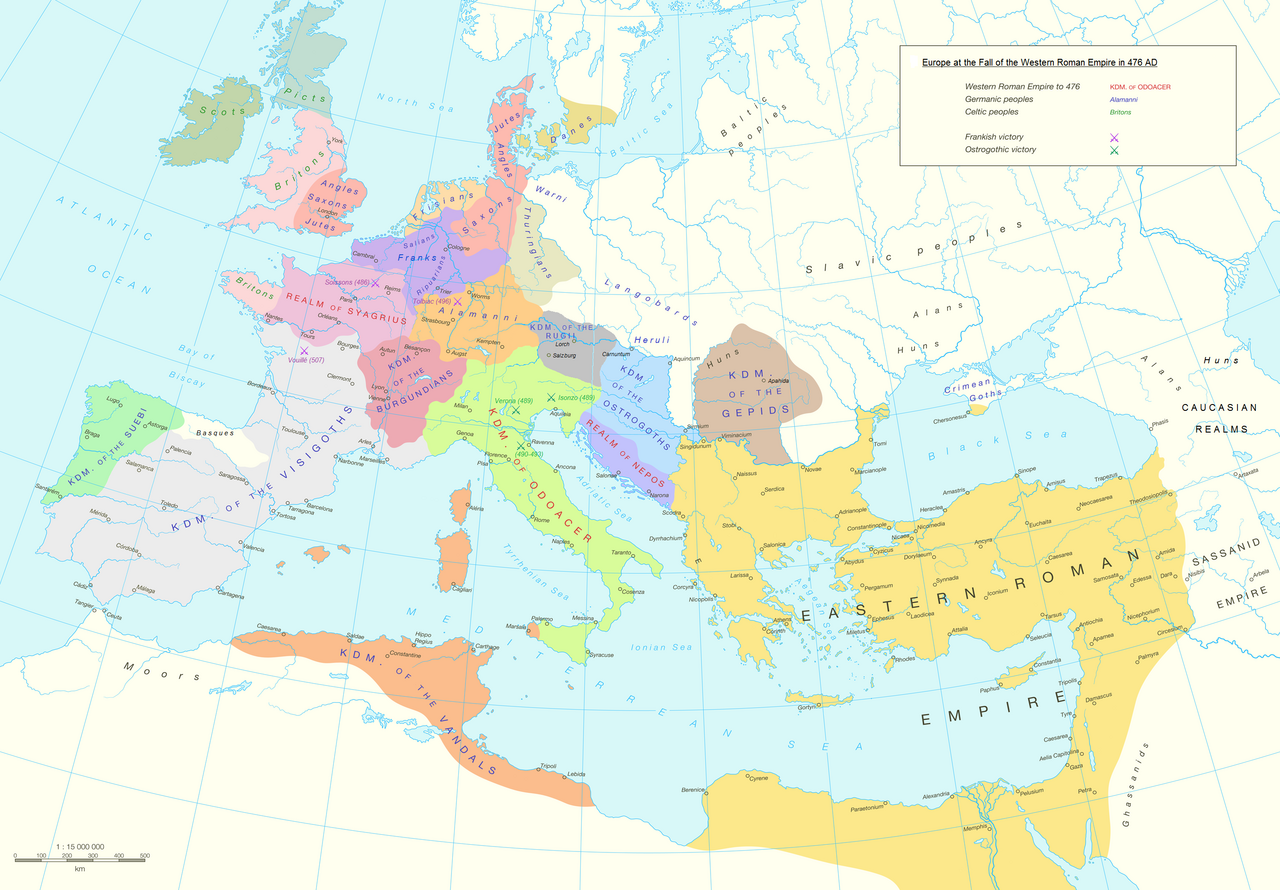
The historical Frisians emerged in the early medieval period as coastal traders, sailors and farmers. In the Middle Ages a political and cultural identity known as Frisian freedom developed in parts of the region, linked to local customs and assemblies rather than centralized rule. Over centuries the area was contested and incorporated into larger polities, but many local legal traditions, place names and communal practices persisted. Proximity to the sea and to trade routes shaped Frisian prosperity and cultural exchange.
Culture and traditions
Frisian culture blends maritime, agricultural and folk elements. Traditional music, storytelling, and seasonal festivals are part of local life. Several activities and festivals have become widely known: for example, ice-skating events tied to canal systems in Friesland, and regional sports and rural customs that celebrate community identity. Folklore often highlights the relationship between people and the sea, and traditional architecture and crafts reflect adaptation to wet landscapes.
Modern situation and recognition
In contemporary times Frisian identity is expressed through language maintenance, cultural institutions and political recognition. West Frisian has official status alongside Dutch in its province; other Frisian varieties have varying degrees of protection and support. Urbanization and migration have affected rural communities, but revival efforts, education programs and media in Frisian help sustain the languages and customs. There are also Frisian diasporas who maintain cultural ties beyond the region.
Notable features
- Distinct languages: Multiple Frisian varieties with different degrees of mutual intelligibility.
- Coastal identity: Longstanding maritime traditions and adaptation to dikes, wetlands and tidal landscapes.
- Medieval autonomy: Historical emphasis on local law and assemblies often summarized as Frisian freedom.
- Living culture: Festivals, sports and literature continue to promote a distinct Frisian identity.
For geographical context and further reading on the Frisian region and its subdivisions see general references on northwestern Europe and the historic territory of Frisia. Regional sources and language institutes also provide detailed material on individual Frisian dialects and contemporary cultural initiatives.
Questions and answers
Q: Where do the Frisian people live?
A: The Frisians mainly live in Friesland and Groningen in the Netherlands and East Frisia and North Frisia in Germany.
Q: What is Frisia?
A: Frisia is a region in northwestern Europe where the Frisian people live.
Q: How would you describe the physical appearance of the Frisians?
A: The Frisians are said to be a tall, big-boned, and light-haired people.
Q: What kind of history and folklore do the Frisians have?
A: The Frisians have a rich history and folklore.
Q: What countries have Frisian people?
A: Frisian people live mainly in the Netherlands and Germany.
Q: What parts of the Netherlands are Frisian people from?
A: Frisian people are mainly from Friesland and Groningen in the Netherlands.
Q: Where in Germany do Frisian people live?
A: Frisian people live in East Frisia and North Frisia in Germany.
Related articles
Author
AlegsaOnline.com Frisian people: history, language and culture of Frisia Leandro Alegsa
URL: https://en.alegsaonline.com/art/36762
Sources
- i-friesland.com : "Tacitus - Characteristics of Germanic people"
- i-friesland.com : "History: Tacitus - Tribes of Germania"